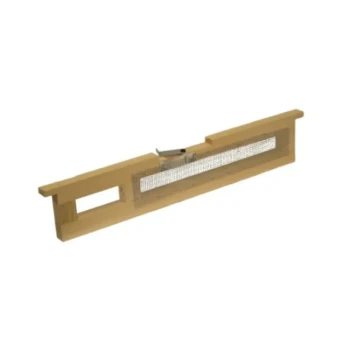
The physical structure of a wooden hive serves as the primary mechanical defense for stingless bee colonies by creating a high-integrity seal that blocks invasive species. Professional-grade hives utilize precision joinery and tight-fitting joints to eliminate the external crevices where pests like geckos, ants, and syrphid flies typically enter or lay eggs. This structural control allows the colony to efficiently use their own resins and propolis to reinforce these barriers, creating a sterile and secure internal environment.
High-performance wooden hives are engineered as a total containment system, combining precision-milled joints with species-specific entrance designs to neutralize pest threats before they reach the brood. For distributors, sourcing hives that prioritize structural integrity is the most effective way to ensure colony survival and client satisfaction.
Precision Joinery and External Barrier Integrity
The Role of Tight-Fitting Joints
The most critical feature of a professional wooden hive is the elimination of gaps through advanced sealing structures. Precision joinery prevents pests such as syrphid flies from depositing eggs in external cracks, which would otherwise lead to larvae infiltrating the colony.
Minimizing Entry Points for Predators
A hive with clean interior surfaces and flush-fitting components reduces the surface area available for predators like geckos and ants to gain a foothold. By providing a controlled physical environment, the structure forces all traffic through a single, defensible point.
Material Properties and Natural Secretions
The structural design encourages bees to apply their natural resins and propolis to specific areas. This antimicrobial biological barrier works in tandem with the wood to seal the hive against pathogens and fine-particulate intruders.
Specialized Entrance and Ground-Level Defenses
Funnel-Shaped Entrance Tubes
Specialized hive entrance structures, such as funnel-shaped tubes, physically limit the size and type of intruders that can enter. These apertures are designed to mimic natural tree-hollow nesting environments, allowing the bees to defend the colony against larger wasps and phorid flies more effectively.
Specialized Hive Stands
Elevating the hive on stands equipped with smooth surfaces or specialized coatings creates a secondary physical barrier against ground-based threats. These structures are essential for blocking the paths of ants, honey badgers, and small hive beetles, significantly reducing the stress that leads to colony migration.
Integrated Internal Pest Traps
Professional-grade observation hives often integrate internal physical traps that exploit the natural behaviors of invading pests. These mechanisms capture and neutralize intruders without the use of chemicals, protecting vulnerable larvae while maintaining the organic integrity of the honey and pollen.
Simulation of Natural Environments for Colony Health
Mimicking Natural Tree Hollows
Wooden hives are designed to simulate the specific internal volumes of the bees' natural habitats. This simulation ensures that the colony can maintain its internal microclimate, which is essential for the bees to remain active and alert enough to maintain their own defensive perimeters.
Monitoring and Assessment Capabilities
The structural layout of a professional hive allow for the dynamic monitoring of the internal state without compromising the barrier. This allows beekeepers to assess colony health and vitality and identify early signs of infestation before they become catastrophic.
Understanding the Trade-offs
Material Quality vs. Longevity
While cheaper softwoods are lighter for shipping, they are more prone to warping, which creates gaps in the joints over time. Premium hardwood or treated wood is necessary to maintain the precision fit required for long-term pest exclusion, though it increases initial sourcing costs.
Sealing vs. Ventilation
An over-engineered hive that is sealed too tightly can lead to moisture buildup and mold, which weakens the colony and attracts specific types of flies. Professional designs must balance precision sealing with strategic ventilation to ensure the internal environment remains hospitable for the bees but hostile to pests.
Strategic Sourcing for Your Inventory
How to Apply This to Your Portfolio
- If your primary focus is rapid order fulfillment: Sourcing a full-spectrum product portfolio from a single provider ensures that all components, from stands to entrance tubes, are pre-vetted for structural compatibility.
- If your primary focus is premium market positioning: Prioritize hives with precision-milled joinery and integrated observation windows, as these features demonstrate deep professional industry expertise.
- If your primary focus is minimizing client loss rates: Recommend hives that include specialized stands and funnel-shaped entrances to provide the most comprehensive defense against both ground and aerial pests.
Choosing hives with superior structural integrity is a strategic investment that guarantees long-term colony stability and professional-grade results for the end-user.
Summary Table:
| Feature | Function in Pest Control | Targeted Threats |
|---|---|---|
| Precision Joinery | Eliminates external crevices to prevent egg-laying | Syrphid flies, ants, and small insects |
| Funnel Entrances | Mimics natural hollows; limits entry point size | Wasps, phorid flies, and larger predators |
| Hardwood Material | Resists warping to maintain high-integrity seals | Micro-intruders and moisture-related pests |
| Specialized Stands | Creates a physical barrier from the ground up | Ants, honey badgers, and hive beetles |
| Internal Traps | Neutralizes intruders without chemical intervention | Larvae-targeting pests and hive beetles |
Scale Your Distribution with HONESTBEE’s High-Integrity Solutions
Maximize your profit margins and ensure client success with HONESTBEE. As a leading one-stop sourcing partner for commercial apiaries and B2B resellers, we provide a comprehensive portfolio of professional beekeeping tools, specialized hive-making machinery, and premium consumables.
Why Partner with HONESTBEE?
- Comprehensive Sourcing: Access a full spectrum of products, from precision-milled hives to honey-themed merchandise.
- B2B Expertise: Benefit from our deep industry knowledge, OEM/ODM support, and rapid response times.
- Efficient Fulfillment: Experience ultra-fast delivery and reliable supply chains designed for high-volume distributors.
Ready to elevate your inventory with industry-leading pest control designs? Contact our expert team today to discuss wholesale opportunities!
References
- Sri Maryani, Amrul Jihadi. Jenis Lebah Trigona Yang Dibudidayakan Dan Hama Yang Menyerang Di Kabupaten Lombok Barat. DOI: 10.29303/jima.v3i1.3559
This article is also based on technical information from HonestBee Knowledge Base .
Related Products
- Wholesales Dadant Size Wooden Bee Hives for Beekeeping
- Wooden Bee Hive Frames for Beekeeping and Wholesale
- Assembled Wooden Bee Frames with Plastic Foundation for Durability and Convenience by HONESTBEE
- HONESTBEE Wired and Assembled Wooden Bee Frames Foundation for a Thriving Hive
- Assembled Wooden Bee Frames with Beeswax Foundation Ready to Use by HONESTBEE
People Also Ask
- What are the strategic benefits of installing beekeeping hives at an elevation of 1 to 6 meters? Protect Your Assets
- What are the key advantages of modern improved beekeeping hives? Scale Your Honey Yield and Production Efficiency
- What is the proper way to store unused bee hives? Expert Stacking Tips for Equipment Longevity
- What are the 2 types of bee hives? Langstroth vs. Top-Bar for Your Apiary
- How does the design of improved beekeeping hives contribute to maintaining honey quality and purity? Enhancing Purity