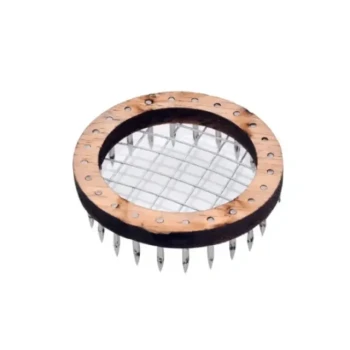
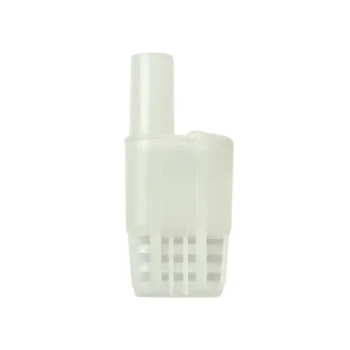
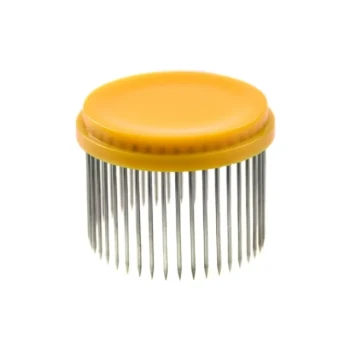
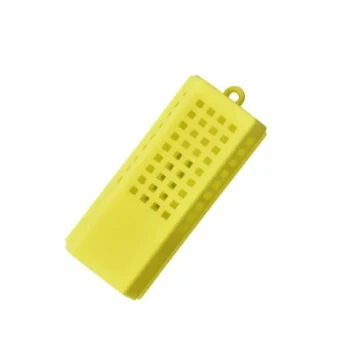
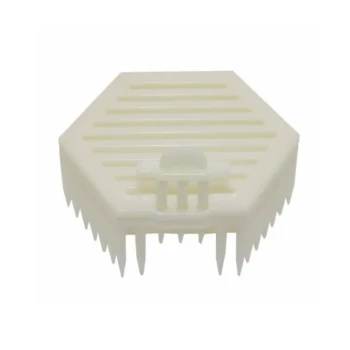
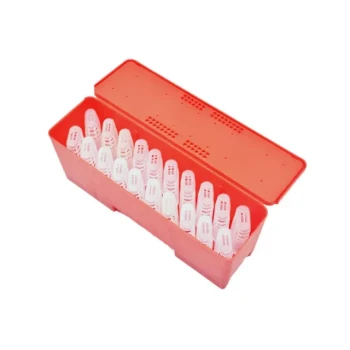
The queen caging technique functions as a biotechnological control method by creating a manual, artificial broodless period. By temporarily confining the queen, you halt egg-laying, which forces Varroa mites out of the protection of capped cells and into a "phoretic" phase on adult bees. This biological disruption halts immediate mite reproduction and exposes the parasites to further control measures.
Core Takeaway: This technique is not just about pausing egg-laying; it is a strategic disruption of the parasite's lifecycle. By eliminating the capped brood, you break the reproductive chain, induce higher sterility rates in surviving mites, and create a window of vulnerability where treatments are exponentially more effective.
The Mechanics of Artificial Brood Interruption
Eliminating the Reproductive Habitat
Varroa mites are obligate parasites that require capped brood cells to reproduce. By caging the queen, you physically prevent the production of new larvae. Once existing brood hatches, the hive becomes completely devoid of the capped cells the mites need to breed.
Forcing the Phoretic Phase
Without brood cells to hide in, mites are forced into a phoretic phase. They must attach themselves to the bodies of adult worker bees. This migration from the protected brood cells to the exposed environment of the hive is the central mechanism that makes this technique effective.
Biological Impact on the Mite Population
Breaking the Reproductive Chain
The primary benefit is the immediate cessation of the mite's reproductive cycle. By creating a gap in brood availability, you stop the exponential growth of the mite population in its tracks.
Induced Mite Sterility
The impact extends beyond the confinement period. Research indicates that this interruption leads to a significant decrease in Varroa reproductive success even after the queen is released. When egg-laying resumes, the surviving mites exhibit an increased sterility rate, suppressing their population growth long-term.
Synergies with Treatment Protocols
Creating a Window of Vulnerability
Mites inside capped brood cells are largely shielded from treatments. By forcing the entire mite population onto adult bees (the phoretic stage), you eliminate their biological shield.
Maximizing Treatment Efficiency
This exposure creates an optimal window for secondary interventions. Physical or chemical treatments, such as oxalic acid, achieve significantly higher kill rates when applied during this broodless period because every mite in the hive is exposed.
Understanding the Trade-offs
Colony Population Stagnation
The most obvious trade-off is the halt in colony growth. Because no new bees are being produced during the caging period, the colony population will temporarily plateau or decline as older bees die off.
Timing Precision
This method serves as a biophysical intervention rather than a passive cure. It requires precise timing to ensure the broodless period aligns with mite management goals without critically weakening the colony's workforce.
Making the Right Choice for Your Goal
This technique offers a versatile approach depending on your specific management objectives.
- If your primary focus is Reducing Chemical Dependence: Rely on the reproductive interruption and induced sterility to lower mite loads biophysically, minimizing the need for harsh acaricides.
- If your primary focus is Maximizing Treatment Efficacy: Utilize queen caging as a preparatory step to force mites into the phoretic stage, ensuring your subsequent treatment (like oxalic acid) reaches 100% of the population.
Mastering queen caging allows you to use the hive's own biology to dismantle the Varroa lifecycle.
Summary Table:
| Mechanism | Impact on Varroa Mites | Benefit to Beekeeping |
|---|---|---|
| Brood Interruption | Halts the reproductive cycle | Stops exponential mite population growth |
| Phoretic Exposure | Removes protection of capped cells | Makes mites vulnerable to secondary treatments |
| Induced Sterility | Decreases future reproductive success | Long-term suppression of mite infestation |
| Strategic Timing | Eliminates biological shields | Maximizes the efficacy of treatments like oxalic acid |
Elevate Your Apiary Management with HONESTBEE
Optimizing Varroa control through biotechnological methods requires the right tools and expertise. HONESTBEE is dedicated to supporting commercial apiaries and distributors with a comprehensive range of high-quality beekeeping solutions.
Whether you need specialized queen cages, advanced beekeeping machinery, or high-performance honey-filling machines, we provide the hardware and consumables necessary to scale your production and maintain hive health.
Ready to boost your productivity and protect your colonies? Contact HONESTBEE Today to explore our wholesale offerings and discover how our professional-grade equipment can streamline your operations.
References
- Martin Gabel, Ralph Büchler. Immediate and long-term effects of induced brood interruptions on the reproductive success of Varroa destructor. DOI: 10.1007/s13592-023-00998-x
This article is also based on technical information from HonestBee Knowledge Base .
Related Products
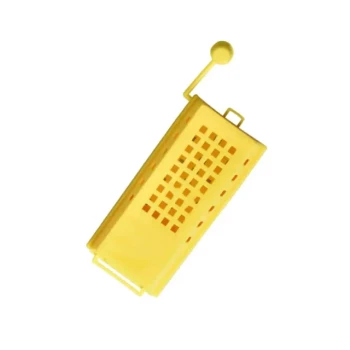
- Professional Queen Bee Introduction and Transport Cage
- Professional Queen Cage with Sliding Gate and Feeder Plug
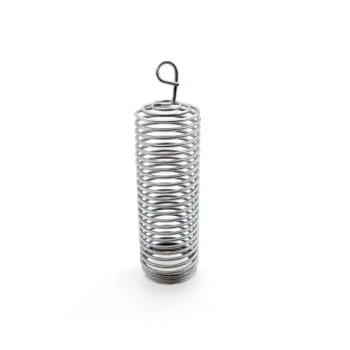
- Durable Galvanized Steel Spring Queen Bee Cage
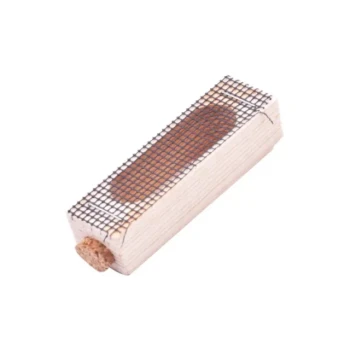
- Classic Wooden and Mesh California Queen Cage
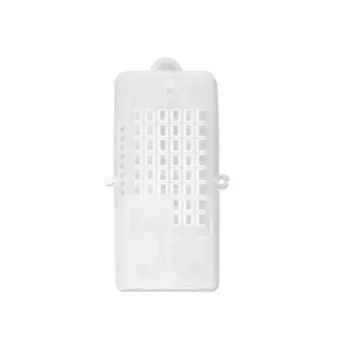
- Professional Multi-Functional Queen Bee Cage
People Also Ask
- Why are specialized queen bee cages used for the banking of mated queen bees? Maximize Commercial Apiary Storage Efficiency
- What is the mechanism of action for using temporary queen bee cages? Master Successful Queen Introduction
- How is a queen bee released from a queen cage? Ensure Safe Colony Integration & Hive Success
- What materials are required to install a queen bee's cage into a hive? Essential Tools for Successful Queen Integration
- How long should a queen bee stay in the cage before being released? Ensure a Successful Introduction