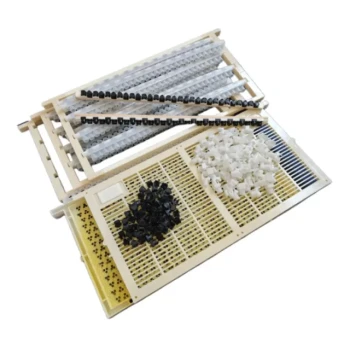
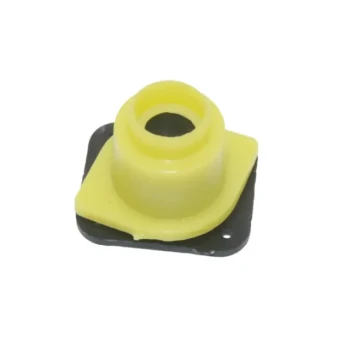
Artificial queen rearing tools serve as the logistical backbone for high-yield beekeeping. By utilizing specific consumables like cell bars and grafting needles, apiarists can simulate natural queen cell environments to facilitate systematic, large-scale queen replacement. This transition from reactive to proactive management ensures colonies maintain peak population density during critical nectar flows, directly increasing honey yield while significantly reducing the risk of absconding.
Core Insight The primary value of these tools is not just in producing a queen, but in enabling predictable, high-frequency replacement cycles. By removing the variability of natural queen succession, beekeepers ensure that every colony is led by a young, vigorous queen capable of sustaining the worker population required for maximum production.
The Mechanics of Systematic Replacement
Simulating Natural Environments
Tools such as cell bars and grafting needles are designed to mimic the geometry and conditions of natural queen cells.
This simulation allows beekeepers to trigger the rearing process artificially without waiting for the colony’s natural impulse to swarm or supersede an old queen.
Scaling Up Production
Unlike natural reproduction, which is sporadic, artificial tools enable large-scale, synchronized rearing.
This allows for the simultaneous replacement of queens across multiple colonies, streamlining management efforts and ensuring uniformity across the apiary.
High-Frequency Renewal
The use of specialized consumables facilitates a high-frequency replacement schedule.
Regularly swapping out older queens for younger stock prevents the natural decline in egg-laying rates that typically occurs as a queen ages.
Impact on Colony Vitality and Yield
Ensuring Population Density
A colony's productivity is directly tied to its population size during the nectar flow.
Artificial rearing ensures that a fecund queen is in place to produce a sufficient worker bee population exactly when local flora are blooming.
Preventing Colony Absconding
Old or failing queens often lead to colony instability or "absconding," where the bees abandon the hive.
By utilizing artificial rearing to maintain vigorous leadership, beekeepers effectively stabilize the colony, preventing these abnormal losses.
Genetic Improvement
Beyond simple numbers, these tools allow for the introduction of superior genetics.
Beekeepers can select for traits like disease resistance and high foraging efficiency, progressively improving the quality of the stock over time.
Understanding the Trade-offs
Management Complexity
While artificial rearing boosts productivity, it introduces a higher requirement for technical skill.
The effective use of grafting needles and cell bars requires precise technique; improper handling can lead to graft failure or damage to the larvae.
Balancing Vitality and Cost
There is a distinct economic balance between colony vitality and management overhead.
A planned replacement cycle helps mitigate losses, but beekeepers must calculate whether the labor and equipment costs of frequent replacement are justified by the marginal increase in honey yield for their specific operation.
Making the Right Choice for Your Goal
To leverage artificial queen rearing tools effectively, align your strategy with your specific production targets:
- If your primary focus is Maximizing Honey Yield: Prioritize high-frequency replacement cycles to ensure every colony has peak worker population during the primary nectar flow.
- If your primary focus is Colony Stability: Use these tools to systematically replace failing queens to prevent absconding and reduce seasonal colony losses.
- If your primary focus is Genetic Stock Improvement: Utilize standardized rearing equipment to introduce and propagate disease-resistant traits across your apiaries.
Mastering these tools shifts beekeeping from a game of chance to a discipline of precision, ensuring long-term production stability.
Summary Table:
| Tool / Strategy | Primary Function | Impact on Productivity |
|---|---|---|
| Grafting Needles | Precise larval transfer | High-yield queen production |
| Cell Bars | Simulates queen cell geometry | Synchronized, large-scale rearing |
| High-Frequency Renewal | Regular queen replacement | Maintains peak worker population |
| Genetic Selection | Propagating superior traits | Enhanced disease resistance & foraging |
Scale Your Apiary Operations with HONESTBEE
Maximize your honey yield and ensure long-term colony stability with precision-engineered equipment. At HONESTBEE, we specialize in supporting commercial apiaries and distributors with a comprehensive wholesale offering.
Our extensive portfolio includes:
- Advanced Machinery: From hive-making to honey-filling machines.
- Beekeeping Essentials: High-quality grafting tools, cell bars, and a full spectrum of industry consumables.
- Commercial Support: Reliable supplies for large-scale production and cultural merchandise.
Partner with us to transform your beekeeping from a game of chance into a discipline of precision. Contact HONESTBEE today to discuss your wholesale needs and see how our tools can drive your business success.
References
- Naniram Dulal, Ranjana Singh. Value chain analysis of honeybee (Apis cerena) products in Jajarkot district, Nepal. DOI: 10.33545/26180723.2024.v7.i2f.355
This article is also based on technical information from HonestBee Knowledge Base .
Related Products
- Queen Bee Artificial Insemination Instrument Equipment for Instrumental Insemination
- Plastic Chinese Queen Grafting Tool for Bee Queen Rearing
- Retractable Chinese Queen Rearing Grafting Tools Equipment
- Plastic Beekeeping Honey Bee Larvae Grafting Tools for Queen Rearing and Chinese Grafting
- Stainless Steel Beekeeping Queen Grafting Tool for Honey Bee Rearing
People Also Ask
- Why is maintaining sanitary conditions important during artificial insemination? Protect Your Queen from Fatal Infections
- Why are artificial insemination instruments critical in bee hybridization? Master Genetic Control & Pure Breeding
- What is the core value of bee artificial insemination instruments in breed improvement? Achieve Precise Genetic Control
- Why is professional bee artificial insemination equipment considered a core tool for genetic control in honeybee breeding? Ensure 100% Purity
- Why is high-purity CO2 used for queen bee artificial insemination? Unlock Precision Breeding & Faster Egg-Laying