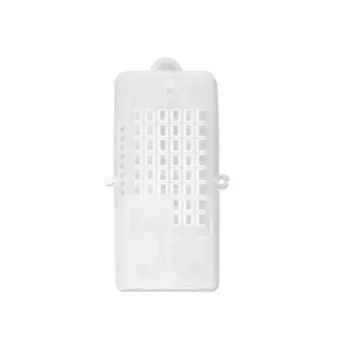
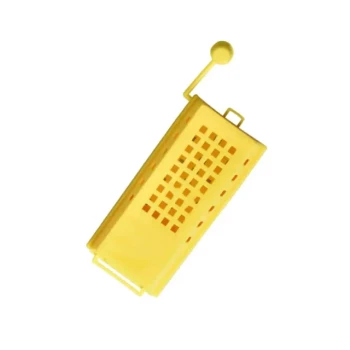
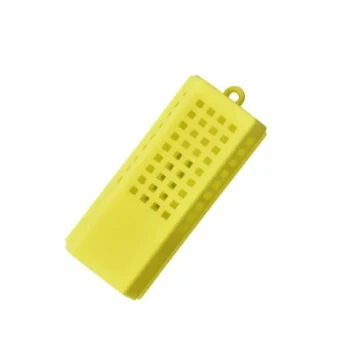
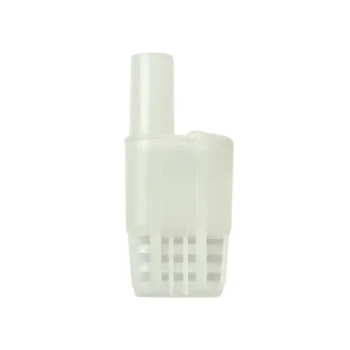
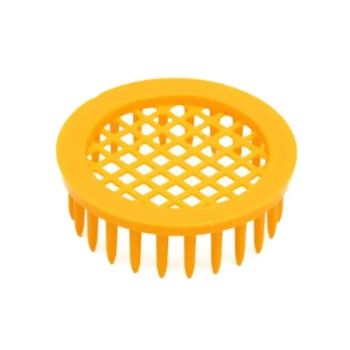
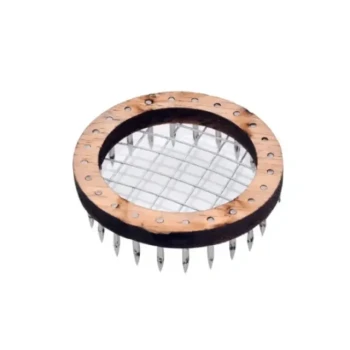
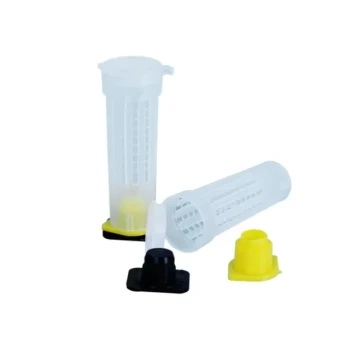
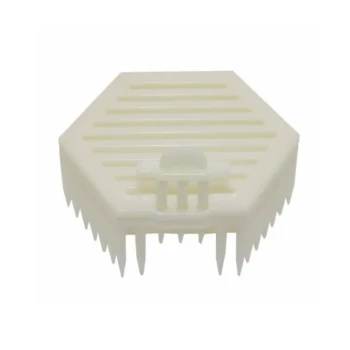
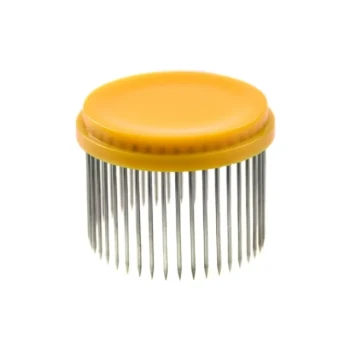
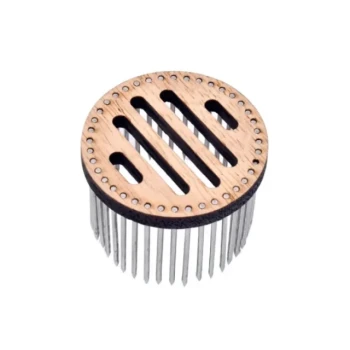
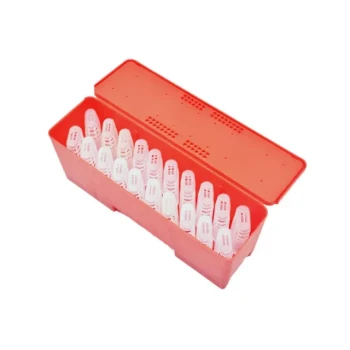
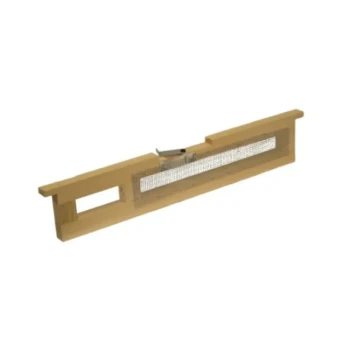
The integration of biodegradable materials, specifically corn-based bioplastics and natural cellulose, into queen bee cage manufacturing fundamentally shifts the industry toward sustainable production while maintaining rigorous safety standards. These materials offer a dual benefit: they significantly reduce plastic waste and minimize potential toxicity or secondary interference with the bees during transport.
By replacing traditional single-use plastics with biodegradable alternatives, the beekeeping industry can align with circular economy principles without compromising the structural integrity or thermal insulation necessary for queen survival.
Prioritizing Bee Health During Transport
Minimizing Toxicity and Interference
The primary technical advantage of using materials like natural cellulose or corn-based bioplastics is biological safety. Unlike some synthetic polymers, these materials are designed to minimize secondary interference during the delicate transport phase.
This reduction in interference helps eliminate potential toxicity risks. A chemically neutral environment is critical for maintaining the queen's health and viability upon arrival.
Maintaining Structural and Thermal Integrity
Sustainability does not require a sacrifice in performance. Biodegradable cages are engineered to provide the necessary structural strength required to protect the queen from physical crushing or impact during shipping.
Furthermore, these materials offer basic thermal insulation. This technical property helps buffer the queen against rapid temperature fluctuations, ensuring she remains within a safe biological range during transit.
Reducing the Ecological Footprint
Meeting Sustainable Production Standards
The shift toward biodegradable materials allows manufacturers to meet evolving sustainable production standards. This is increasingly important as the agricultural sector faces pressure to reduce its carbon footprint.
Closing the Loop on Waste
Traditional beekeeping relies heavily on single-use plastics that present significant disposal challenges. Transitioning to biodegradable options directly addresses waste disposal issues following the use of beekeeping products.
This shift reduces pollution in soils and ecosystems caused by landfills and incineration. It ensures the product's life cycle—from raw material sourcing to final disposal—aligns with circular economy principles.
Critical Considerations for Material Selection
Balancing Degradability with Durability
While the environmental benefits are clear, the material must not degrade prematurely. The core technical trade-off is ensuring the bioplastic retains its structural strength throughout the entire transport duration, only breaking down after its purpose is served.
Verifying Material Specifications
Not all "bioplastics" offer the same level of protection. It is essential to verify that the specific corn-based or cellulose material used provides the requisite thermal insulation. Using a material that degrades well but fails to insulate could compromise the biological safety of the queen.
Making the Right Choice for Your Operation
For beekeepers and suppliers evaluating packaging options, the decision rests on balancing ecological goals with logistical requirements.
- If your primary focus is Logistics and Safety: Prioritize bioplastics that explicitly guarantee structural strength and thermal insulation to prevent loss during shipping.
- If your primary focus is Brand Responsibility: Leverage the reduced soil pollution and circular economy alignment to market your products to environmentally conscious consumers.
Adopting biodegradable queen cages is a strategic move that safeguards your stock with technical precision while future-proofing your operation against environmental waste.
Summary Table:
| Feature | Traditional Plastic Cages | Biodegradable Bioplastic Cages |
|---|---|---|
| Material Source | Petroleum-based polymers | Corn-based bioplastics & cellulose |
| Environmental Impact | High waste; non-degradable | Low footprint; compostable/degradable |
| Biological Safety | Risk of chemical leaching | Chemically neutral; low toxicity |
| Structural Strength | Rigid and durable | High strength-to-weight ratio |
| Thermal Properties | Low insulation | Natural thermal buffering |
| Disposal | Landfill or incineration | Aligns with circular economy |
Elevate Your Apiary with Sustainable Innovation
At HONESTBEE, we empower commercial apiaries and distributors with high-performance beekeeping solutions that don't cost the earth. Our comprehensive wholesale catalog includes everything from biodegradable queen cages and specialized hardware to advanced honey-filling machines.
By partnering with us, you gain access to a full spectrum of beekeeping tools and industry consumables designed to optimize your operations while reducing ecological impact. Whether you are scaling a commercial apiary or supplying the next generation of beekeepers, our expert team is ready to provide the specialized equipment and cultural merchandise you need to succeed.
Ready to future-proof your beekeeping business? Contact us today to explore our wholesale offerings!
References
- Oleksandr Olshanskyi. IMPROVING THE PROFITABILITY OF U.S. APIARIES THROUGH THE USE OF OPTIMIZED QUEEN BEE TRANSPORTATION CAGES. DOI: 10.52058/2786-5274-2025-6(46)-559-570
This article is also based on technical information from HonestBee Knowledge Base .
Related Products
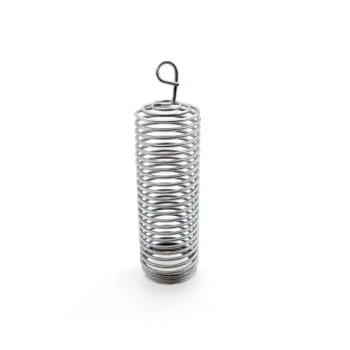
- Durable Galvanized Steel Spring Queen Bee Cage
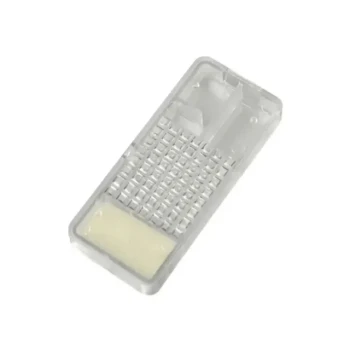
- Professional Queen Bee Introduction and Transport Cage
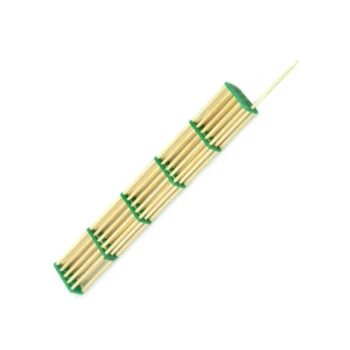
- Professional Bamboo Queen Isolation Cage
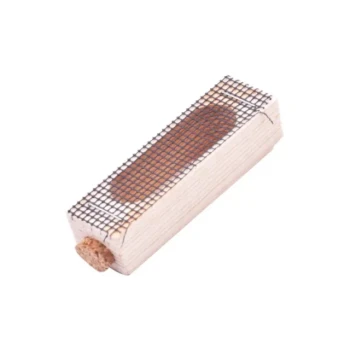
- Classic Wooden and Mesh California Queen Cage
- Professional Multi-Functional Queen Bee Cage
People Also Ask
- Why are specialized queen bee cages used for the banking of mated queen bees? Maximize Commercial Apiary Storage Efficiency
- What is the mechanism of action for using temporary queen bee cages? Master Successful Queen Introduction
- What is the step-by-step process for installing a queen bee's cage onto a frame? Ensure Hive Acceptance Safely
- What is the optimal placement for a queen bee cage? Essential Strategies for Successful Re-queening
- What are the advantages and disadvantages of introducing a queen bee by embedding the cage? Boost Your Queen Acceptance