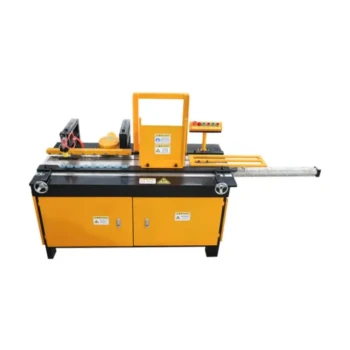
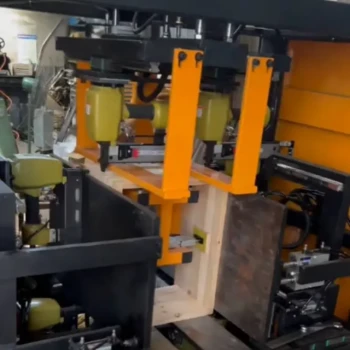
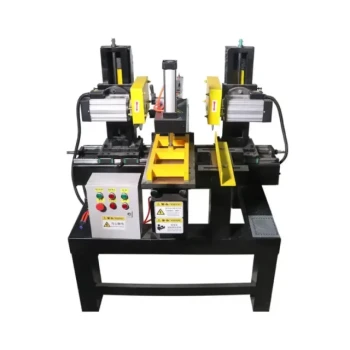
The integration of high-precision hive-making machinery and standardized hive placement directly increases the yield of both honey and propolis by optimizing colony efficiency. By utilizing machine-crafted hives and arranging them in a specific spatial matrix, beekeepers reduce inter-colony interference and leverage the bees' natural instincts to maximize production.
Standardization is not just about aesthetics; it is an efficiency multiplier. Precision manufacturing creates the ideal biological environment for propolis deposition, while strategic spatial positioning ensures bees spend more energy foraging and less time defending territory.
The Impact of Precision Manufacturing
Leveraging Biological Instincts
High-precision machinery produces scientifically structured beehives that are specifically designed to trigger the bees' biological behaviors.
Because bees have a natural instinct to fill gaps and coat inner walls, these standardized structures encourage a higher volume of propolis deposition in targeted areas.
Enhancing Purity and Reducing Waste
Machinery ensures tight seals and exact dimensions that hand-crafting often lacks.
This precision significantly reduces the infiltration of external impurities, such as soil and wood chips.
The result is a cleaner raw product that lowers the difficulty and cost of subsequent purification processes, effectively increasing the yield of usable product.
The Science of Standardized Placement
The 1.5 to 2 Meter Rule
To maximize yield, hives should not be placed randomly. They must be arranged in a calculated matrix with specific spacing of 1.5 to 2 meters.
Optimizing Flight Paths
This specific spacing is critical for optimizing the flight paths of specific species, such as Heterotrigona.
By controlling the distance, you ensure that flight lines remain clear, allowing for more efficient foraging trips.
Minimizing Colony Interference
Proper standardization of space minimizes conflict between neighboring colonies.
When interference is reduced, bees expend less energy on defense and stress responses, allowing them to channel more energy into the production of honey and propolis.
Operational Considerations and Trade-offs
Initial Capital vs. Operational Efficiency
Implementing high-precision machinery requires a significant upfront investment compared to traditional manual hive construction.
However, this cost is generally offset by the increased annual yields and the reduced labor required for cleaning and maintenance.
Rigidity of Implementation
The matrix arrangement requires a relatively uniform landscape.
Strict adherence to the 1.5 to 2-meter spacing rule may be difficult in rugged or uneven terrain, potentially requiring land leveling or compromised spacing that could reduce theoretical efficiency.
Aligning Infrastructure with Production Goals
To maximize your return on investment, align your operational choices with your specific production targets:
- If your primary focus is Propolis Quantity: Prioritize precision-machined hives to maximize surface area coating and leverage the bees' gap-filling instincts.
- If your primary focus is Colony Health and Honey Yield: Prioritize the 1.5 to 2-meter spacing matrix to ensure sufficient foraging space and minimize stress-inducing interference.
- If your primary focus is Market-Ready Quality: Combine sealed precision hives with strict placement to produce cleaner raw materials suitable for high-value cosmetic markets.
By mechanically standardizing the home and mathematically optimizing the neighborhood, you convert biological instinct into predictable, high-volume output.
Summary Table:
| Factor | Impact on Yield | Key Benefit |
|---|---|---|
| Precision Manufacturing | Increases Propolis Volume | Triggers biological gap-filling instincts. |
| Standardized Dimensions | Enhances Product Purity | Reduces impurities like soil and wood chips. |
| 1.5 - 2m Spacing Matrix | Maximizes Foraging Trips | Optimizes flight paths and reduces colony interference. |
| Spatial Standardization | Lowers Colony Stress | Channels bee energy from defense to production. |
Scale Your Apiary Operations with HONESTBEE
At HONESTBEE, we empower commercial apiaries and distributors with the precision tools needed for industrial-grade production. Whether you are looking to increase your honey yield or maximize propolis collection, our high-precision hive-making machinery, honey-filling machines, and professional-grade beekeeping equipment are designed to turn biological instincts into predictable profits.
Why partner with HONESTBEE?
- Comprehensive Wholesale Supply: From specialized hardware to essential consumables.
- Efficiency at Scale: Machinery designed to reduce labor and enhance purity.
- Expert Support: Solutions tailored for large-scale commercial success.
Ready to upgrade your infrastructure with the industry's most reliable machinery? Contact us today to discuss your wholesale needs!
References
- Dede Rosyada, Nidaul Hasanati. Business Process Analysis For Marketing Honey Bee Products. DOI: 10.4108/eai.2-10-2018.2295490
This article is also based on technical information from HonestBee Knowledge Base .
Related Products
- High-Efficiency Pneumatic Bee Hive Making Machine for Rapid Box Assembly
- Beehive Handle and Frame Rest Cutting Machine: Your Specialized Hive Machine
- Mini Desktop Bee Hive Frame Forming Making Machine
- Automatic High-Speed Bee Hive Box Stapling Machine
- Beehive Machine Double End Saw for Precision Hive Component Manufacturing
People Also Ask
- How does the introduction of professional beehive-making machinery benefit sustainable beekeeping? Scale Your Apiary
- Why is specialized beehive-making machinery critical for low-defense breeding? Enhance Selection with Precision Tools
- How does the introduction of specialized beehive making machinery contribute to increasing the scale of regional beekeeping industries?
- What is the importance of specialized beehive making machinery in a circular bio-economy? Build Local Sustainability
- Why is specialized beehive-making machinery essential? Scale Your Apiary with Precision Industrial Standards