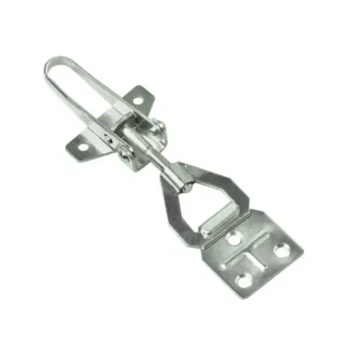
Specialized transport and hive management equipment directly benefits disease control by mitigating the physiological stress associated with migratory beekeeping. By utilizing high-specification gear to ensure stability and ventilation, beekeepers can significantly lower the infection rates of specific pathogens like Nosema ceranae, ensuring colonies remain vital and productive during long-distance relocations.
Migratory beekeeping inherently strains colony health, creating a window of vulnerability for opportunistic infections. The core value of specialized equipment lies in its ability to buffer these environmental stressors, thereby maintaining colony immunity and preventing pathogen proliferation during transit.
The Link Between Transport Stress and Pathogen Susceptibility
Reducing Physiological Strain
The primary mechanism for disease control in migratory operations is the reduction of physiological stress.
Long-distance movement subjects bees to vibration, confinement, and environmental changes. High-specification transport equipment is designed to minimize these stressors, preventing the drop in immunity that often accompanies relocation.
Controlling Specific Pathogens
Proper management via specialized equipment has a measurable impact on specific disease markers.
Most notably, the use of secure hive designs and stable transport lowers the infection rates of Nosema ceranae. By keeping stress levels low, the equipment prevents this gut pathogen from capitalizing on a weakened colony, preserving overall vitality.
The Role of Equipment Functionality
Ensuring Structural Stability
Standard equipment often allows for excessive vibration or shifting, which physically agitates the hive.
Specialized securing devices and loading vehicles ensure hive stability throughout the journey. This stability is critical for minimizing physical stress and worker bee mortality, ensuring the colony arrives in a condition to resist disease.
Ventilation and Environmental Control
Overheating and poor air quality during transport are significant stressors that predispose bees to illness.
Specialized transport vehicles provide adequate ventilation and airflow. This maintains an optimal microclimate within the hive, preventing the respiratory and heat stress that can lead to colony collapse or increased disease susceptibility.
Monitoring and Optimization
Modern migratory operations often pair transport hardware with professional monitoring tools.
These tools track colony health in real-time, allowing beekeepers to optimize transport processes and implement timely feeding management. This proactive approach ensures that nutritional stress does not compound transport stress, further hardening the colony against disease.
Understanding the Trade-offs
Equipment Cannot Fix Poor Timing
While specialized equipment reduces transit stress, it cannot compensate for moving bees into a resource-poor environment.
Migratory beekeeping relies on phenological synchronization—arriving exactly when flowers bloom. If the destination lacks high-quality nectar, even healthy, well-transported bees will suffer from nutritional stress, opening the door to pathogens regardless of the transport method.
The Complexity of Management
Utilizing high-performance equipment introduces operational complexity.
It requires a shift from passive transport to active management, including the use of monitoring tools and specialized loading protocols. Beekeepers must balance the goal of maximum yield with the biological reality that migratory practices inherently increase the risk of colony stress compared to stationary beekeeping.
Making the Right Choice for Your Goal
To maximize the benefits of migratory beekeeping, align your equipment choices with your specific operational objectives.
- If your primary focus is Disease Prevention: Prioritize high-specification vehicles with advanced suspension and ventilation systems to minimize the stress triggers for Nosema ceranae.
- If your primary focus is Maximizing Yield: Focus on specialized loading gear that facilitates rapid deployment, ensuring bees can begin foraging immediately upon arrival at new floral sources.
Investing in specialized transport is not just a logistical upgrade; it is a fundamental biosecurity measure that safeguards colony health against the rigors of migration.
Summary Table:
| Feature | Function in Disease Control | Impact on Colony Health |
|---|---|---|
| Structural Stability | Minimizes vibrations and physical agitation | Reduces physiological stress & worker mortality |
| Advanced Ventilation | Regulates airflow and internal microclimate | Prevents overheating and respiratory stress |
| High-Spec Suspension | Absorbs transport shocks during transit | Lowers infection rates of Nosema ceranae |
| Monitoring Tools | Real-time tracking of colony conditions | Enables proactive feeding and stress management |
Secure Your Migratory Success with HONESTBEE
Migratory beekeeping demands more than just movement—it requires a commitment to biosecurity and colony vitality. HONESTBEE provides commercial apiaries and distributors with the high-specification tools necessary to mitigate transport stress and prevent pathogen outbreaks.
From advanced hive-making machinery to heavy-duty transport equipment and essential industry consumables, our comprehensive wholesale portfolio is designed to help you scale your operation while safeguarding bee health. Whether you are seeking specialized hardware for honey-filling or looking to stock premium beekeeping gear, we offer the technical expertise and equipment diversity you need to achieve maximum yield.
Ready to upgrade your fleet and protect your colonies? Contact HONESTBEE Today for a Wholesale Consultation
References
- Marina D. Meixner, Yves Le Conte. A current perspective on honey bee health. DOI: 10.1007/s13592-016-0449-3
This article is also based on technical information from HonestBee Knowledge Base .
Related Products
- Plastic Transporting Bee Packages and Nuc Boxes for Beekeeping
- Durable Plastic Interlocking Hive Connector for Beekeeping
- HONESTBEE Classic Pry Bar Hive Tool with High Visibility Finish for Beekeeping
- Stainless Steel J Hook Hive Tool for Beekeeping
- Durable Galvanized Steel Frame Grip
People Also Ask
- What role do bee package boxes play in the commercial transport and expansion of honeybee colonies? - Logistic Essentials
- What are beekeeping boxes called? A Guide to Hive Bodies and Box Types
- How do standardized bee packages serve as a recovery mechanism for commercial beekeeping? Ensure Business Continuity
- What is the commercial value of using standardized bee packages? Drive Scalability in Large-Scale Apiaries
- Why is the timely introduction of high-quality bee packages critical? Save Your Apiary from Asian Hornet Invasions