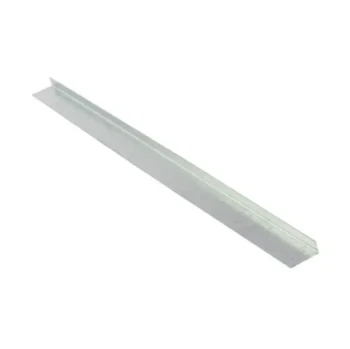
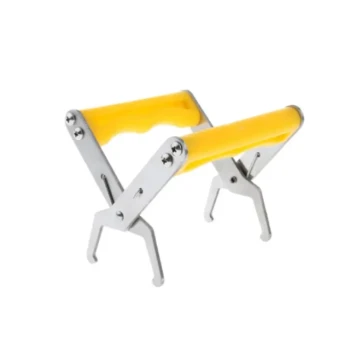
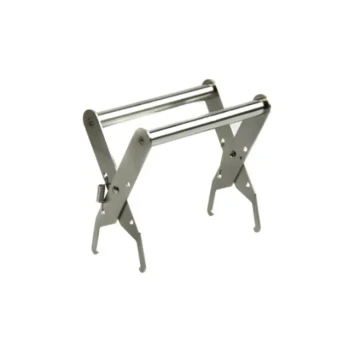
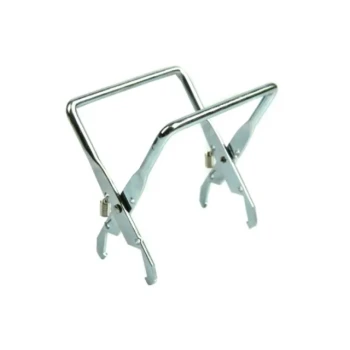
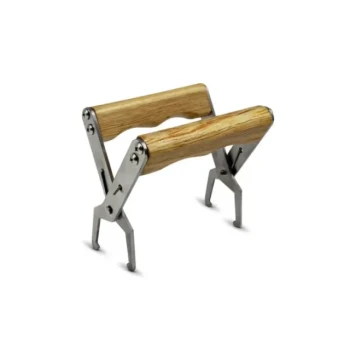
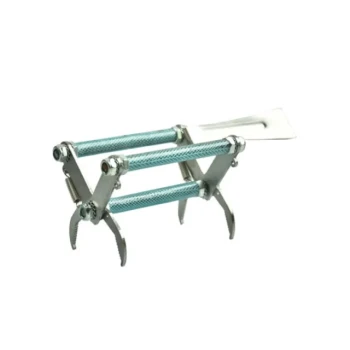
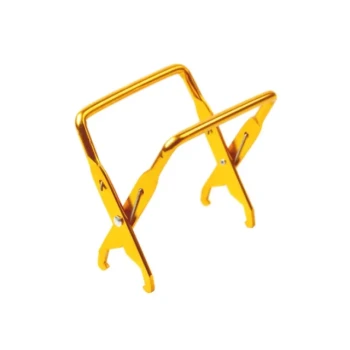
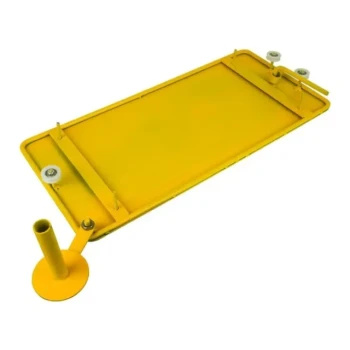
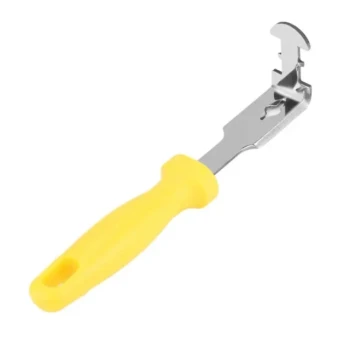
A frame rest improves inspection safety and efficiency by suspending removed frames securely on the outside of the hive box. By holding up to three frames externally, it creates working space inside the hive, allowing the beekeeper to loosen, inspect, and reposition the remaining frames with less risk of crushing bees or damaging comb.
A frame rest is an exterior-mounted staging bracket that keeps removed frames suspended in their normal orientation. Its primary benefit is to make inspections more controlled, safer for the colony, and easier for the operator.
How a Frame Rest Improves Hive Inspections
It Creates Essential Working Space
The first one or two frames removed from a hive can be placed on the frame rest instead of being set on the ground or crowded beside the hive body.
This additional space makes it easier to lift and manipulate frames that are tightly packed, thick with comb, or bonded by propolis.
It Reduces Bee Crushing and Comb Damage
With fewer frames confined inside the hive, the beekeeper can separate adjacent frames more carefully. This reduces the likelihood of rolling or crushing bees between frame edges and neighboring comb.
The frame remains suspended in a position similar to its position inside the hive, helping protect the comb structure and its contents.
It Protects Bees, Brood, and Honey
A properly used frame rest provides a stable, off-the-ground location for a removed frame. This helps prevent contact with dirt, debris, or accidental impact that could disturb bees, brood, or comb.
Keeping frames upright and secure also helps reduce the risk of comb damage and honey spillage during the inspection.
It Supports a More Orderly Workflow
A dedicated external holder gives the operator a predictable place to stage frames temporarily. This is particularly valuable when an inspection requires repeated frame removal, comparison, or reorganization.
A more orderly process can also reduce unnecessary jostling, helping maintain calmer colony conditions during the work.
Functional Specifications of a Frame Rest
Exterior Side-Mounted Design
A frame rest is designed to hook onto or mount against the exterior wall of a hive body or super. It remains outside the hive while supporting removed frames during inspection.
This design keeps the accessory accessible without occupying additional space inside the hive.
Capacity of Up to Three Frames
The stated holding capacity is up to three frames. This allows the beekeeper to remove the initial frames and keep them safely staged while accessing the rest of the hive.
Actual capacity should be confirmed against the supplier’s product specification, especially where frame dimensions or hive formats vary.
Support for Wooden and Plastic Frames
The frame rest is intended to hold wooden or plastic hive frames. Its support structure should keep the frame stable and suspended without interfering with bees, comb, or frame contents.
For commercial distribution, frame compatibility should be clearly identified in product documentation and sales materials.
Suspended Frame Position
The accessory holds a frame in a position comparable to its normal suspension inside the hive. This helps prevent the frame from lying on the ground or leaning against unstable surfaces.
Maintaining the frame’s orientation is important for protecting comb and minimizing disturbance to the bees on it.
Secure External Staging
The frame rest must provide a stable external resting point while the beekeeper works inside the hive. Its essential function is not simply to store a frame, but to keep the frame safely supported throughout the inspection.
A secure fit also reduces the possibility of frames falling, shifting, or contacting contaminated surfaces.
Where the Frame Rest Fits in the Inspection Process
Remove and Stage the Initial Frame
The operator typically uses a hive tool to loosen propolis seals and remove the first frame or frames. These frames can then be transferred to the external frame rest.
The frame rest is therefore most useful at the beginning of an inspection, when creating space is necessary to access tightly packed frames.
Inspect the Remaining Frames
Once the initial frames are staged externally, the operator has more room to lift, separate, and examine the frames that remain in the hive body.
The increased clearance can improve visibility and reduce forceful manipulation around bees and comb.
Reassemble the Hive Carefully
After inspection, the removed frames can be returned to the hive in the appropriate order. The operator can use the additional space to reposition frames with less risk of trapping bees between end bars or adjacent surfaces.
A hive tool may also be used to gently move bees away from frame edges before the hive is closed.
Understanding the Trade-Offs
Capacity Is Limited
A frame rest is a staging solution, not a replacement for a dedicated frame storage rack. Its capacity is limited to up to three frames, so larger inspections may require additional handling or equipment.
Distributors should present this capacity accurately to avoid mismatched customer expectations.
Compatibility Must Be Confirmed
Although the accessory is intended for wooden and plastic frames, hive bodies and frame formats can differ. The mounting method and support geometry should therefore be checked against the customer’s hive equipment.
Product listings should state the compatible hive or frame formats whenever the manufacturer provides that information.
Stability Depends on Correct Use
The frame rest must be mounted securely on the hive exterior, and frames should be positioned properly within its support points. Incorrect placement can undermine the safety benefits the accessory is intended to provide.
Operators should avoid overloading the rest or using it as an improvised surface for tools and other equipment.
It Does Not Replace Good Inspection Technique
A frame rest reduces handling risks, but it does not eliminate them. Careful use of a hive tool, controlled frame movement, and attention to bees on frame edges remain essential.
The accessory works best as part of a complete inspection workflow rather than as a standalone safety measure.
Value for Apiary Equipment Supply
A Practical Complement to Hive Tools
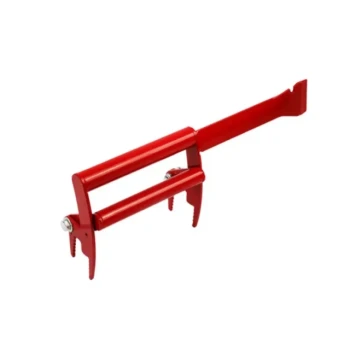
Frame rests and hive tools address different points in the same workflow. The hive tool provides leverage for breaking propolis seals, while the frame rest provides a secure location for removed frames.
Offering both products supports a more complete inspection-equipment portfolio for beekeepers and commercial apiaries.
A Useful Product for One-Stop Sourcing
For distributors, wholesalers, and B2B resellers, a frame rest can complement broader offerings of hive bodies, frames, hive tools, and other apiary accessories.
Clear specifications, responsive product support, and efficient fulfillment are especially important when customers are sourcing multiple inspection items from one supplier.
A Simple Accessory with Operational Value
The frame rest is a relatively straightforward product, but it addresses a recurring operational problem: where to place removed frames while keeping the hive organized and the colony protected.
Its value is therefore best communicated through workflow benefits—space, stability, cleanliness, and reduced handling risk—rather than through accessory status alone.
How to Apply This to Your Project
A frame rest is most valuable when its capacity, mounting method, and frame compatibility are clearly matched to the customer’s inspection routine.
- If your primary focus is colony safety: Use the frame rest to keep removed frames suspended and off the ground while reducing crushing, comb damage, and unnecessary disturbance.
- If your primary focus is inspection efficiency: Stage up to three frames externally to create working space inside the hive for easier frame removal and examination.
- If your primary focus is product distribution: Specify the exterior mounting design, frame capacity, supported frame types, and hive compatibility clearly in your catalog and sales documentation.
- If your primary focus is one-stop apiary supply: Position the frame rest alongside hive tools and related inspection accessories as part of a complete, efficiently sourced workflow.
A correctly specified frame rest turns temporary frame removal into a safer, cleaner, and more controlled part of routine hive inspection.
Summary Table:
| Feature | Benefit |
|---|---|
| Exterior side-mounted design | Keeps removed frames accessible without occupying internal space, allowing for safer inspections. |
| Capacity up to three frames | Provides temporary staging for initial frames, creating working space inside the hive. |
| Supports wooden and plastic frames | Maintains frame orientation, protecting comb and reducing disturbance to bees. |
| Secure suspended position | Prevents frames from contacting dirt or unstable surfaces, reducing contamination and damage. |
| Compatible with various hive formats | Ensures versatility and ease of use across different equipment, supporting efficient workflow. |
Upgrade your apiary with high-quality frame rests and inspection tools from HONESTBEE. Our wholesale solutions include full-spectrum beekeeping equipment, tailored for distributors and commercial beekeepers. Enjoy OEM/ODM support, certified products, and rapid delivery. Contact us today to discuss your needs and boost your operational efficiency.
Related Products
- Professional Galvanized Steel Frame Rest for Beehives
- Ergonomic High Visibility Plastic Frame Grip Handles
- Heavy-Duty Stainless Steel Frame Grip
- Durable Galvanized Steel Frame Grip
- Premium Frame Grip with Ergonomic Wood Handles
People Also Ask
- What are the standard dimensions for frame rests in a beehive? Essential Guide for Perfect Bee Space
- How does balancing the number of frames impact hive productivity? Optimize Your Apiary's Biological Output
- What are the main considerations when choosing between wooden and plastic bee hive frames? Optimize Your Apiary's Efficiency
- How do wooden and plastic hive frames compare in terms of durability? Wood vs. Plastic Longevity & Repairability
- What are the main types of beehive frames used in modern beekeeping? Find the Perfect Fit for Your Apiary