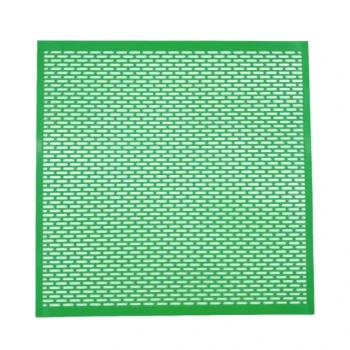
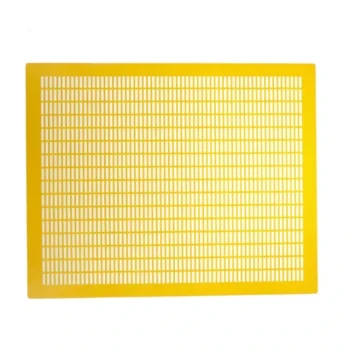
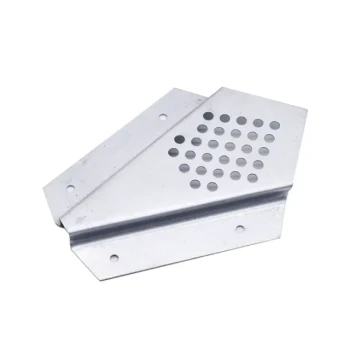
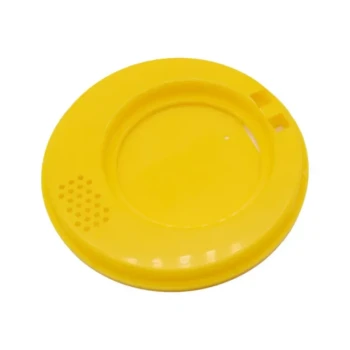
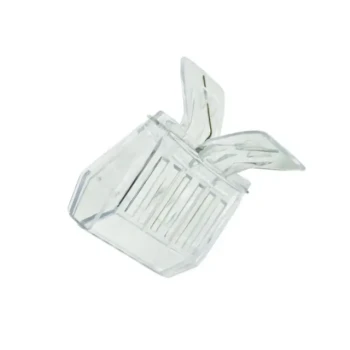
In the Demaree method, the queen excluder separates the queen from the colony’s existing brood without separating the worker population. The queen remains in a lower brood box containing empty comb, while brood frames are placed in one or more upper boxes above the excluder. Worker bees can move between sections, but the queen cannot, allowing the colony to retain its foraging strength while preventing queen rearing in the upper brood chambers after queen cells are removed.
The queen excluder is used as a temporary queen-positioning barrier: it confines the queen below while keeping the colony’s workers and brood together. This preserves maximum field-bee numbers for the honey flow and interrupts the colony’s normal swarming process.
How the Queen Excluder Is Positioned
The queen remains in the lower box
The beekeeper places the queen in the bottom brood chamber with empty drawn comb or suitable empty frames. This provides space for continued egg-laying while keeping her physically separated from the original brood above.
Existing brood is moved above the excluder
Frames containing eggs, larvae, and capped brood are transferred to upper brood chambers. The queen excluder is placed between the lower queen-right box and these upper brood boxes.
The grid spacing allows worker bees to pass through freely, but the larger queen cannot cross it. As a result, the upper brood remains populated and cared for even though the queen is confined below.
The queen excluder is not placed to block workers
Its purpose is not to divide the colony into two independent units. Nurse bees, house bees, and field bees must continue moving through the hive so that brood is fed, maintained, and emerged workers can join the foraging force.
How This Maintains Maximum Colony Population
It preserves the existing forager force
Because the adult workers are not removed to separate colonies or shaken away, the hive retains its established population of field bees. These workers can continue collecting nectar during the main honey flow.
This is the central population advantage of the Demaree method: swarm control is achieved without a major loss of workforce.
It keeps brood production organized
The queen continues laying in the lower box, while the upper boxes contain the brood already present in the colony. This creates a controlled separation between future brood production and existing brood development.
The colony therefore maintains both a continuing supply of emerging workers and a large active workforce for nectar collection.
It interrupts the swarm impulse
The upper brood chambers are queenless because the excluder prevents the original queen from reaching them. Bees may begin developing emergency queen cells in response.
After approximately 7 to 8 days, the beekeeper inspects the upper chambers and removes all newly formed queen cells. Without viable queen cells, the upper colony cannot proceed with queen replacement or establish a swarm headed by the original queen.
It prevents the queen from leaving with a swarm
The excluder confines the original queen to the lower brood box. Since a natural swarm normally requires the old queen to leave with a portion of the workers, keeping her below the excluder helps prevent that departure.
However, the excluder supports the Demaree process; it does not replace timely inspections or other swarm-control practices.
Why the Timing Matters
Inspection is required after queen cells become detectable
The beekeeper must inspect the upper brood chambers after about 7 to 8 days, when queen cells initiated from young brood should be visible. Every queen cell in the upper chambers must be removed.
Missing even one viable queen cell can allow the upper colony to raise a queen and potentially renew its swarming preparation.
The brood remains valuable during the separation
The upper brood is not discarded. It continues developing under the care of worker bees, producing new adults that reinforce the colony’s population.
This is why the method can control swarming while maintaining strong colony density and honey-gathering capacity.
Understanding the Trade-offs
The method demands accurate execution
The queen must be located and placed below the excluder, the brood must be arranged correctly above it, and the upper boxes must be checked on schedule. Poor timing or an overlooked queen cell can reduce the method’s effectiveness.
The queen excluder can restrict movement if poorly managed
A damaged, incorrectly sized, or improperly positioned excluder may impede worker movement or create congestion. Equipment quality and correct installation matter, particularly for commercial operations managing many colonies.
Population control is not the same as population reduction
The Demaree method does not primarily reduce the number of bees. It regulates the queen’s location and interrupts queen-cell development while preserving the colony’s adult workforce.
For colonies with aggressive or highly productive genetics, the method can help make brood expansion more manageable, but it should still be combined with appropriate handling and inspection practices.
Honey-super placement still requires judgment
A queen excluder can help keep the queen out of honey-storage areas, but it should be used as part of a complete hive arrangement. The colony must have adequate space, ventilation, and accessible comb to avoid creating congestion elsewhere in the hive.
Applying the Method in Commercial Practice
The Demaree approach is most valuable when the objective is to control swarming without sacrificing saleable honey production or the colony’s established workforce.
- If your primary focus is maximum honey production: Confine the queen below the excluder, retain the brood and workers above it, and remove upper queen cells after 7 to 8 days so field bees remain available for the honey flow.
- If your primary focus is reliable swarm control: Treat the excluder as one part of a scheduled Demaree procedure, with precise queen placement and a complete inspection for queen cells.
- If your primary focus is equipment sourcing: Use correctly sized, durable excluders and maintain consistent availability across brood chambers, supers, and replacement equipment to support efficient apiary operations.
- If your primary focus is managing large or defensive colonies: Use the excluder to regulate queen access and brood expansion, while recognizing that colony temperament and total population still require careful management.
Used correctly, the queen excluder allows the Demaree method to preserve colony strength while breaking the cycle that leads to swarming.
Summary Table:
| Aspect | Role of Queen Excluder | Impact on Colony Population |
|---|---|---|
| Queen Positioning | Confines queen to lower brood box with empty comb, separating her from existing brood above. | Allows continued egg-laying, maintaining brood production. |
| Worker Movement | Permits worker bees to pass through, ensuring brood care and foraging continues. | Preserves forager force, so honey gathering continues. |
| Swarm Prevention | Prevents queen from reaching upper brood, blocking natural swarm departure. | Reduces swarming impulse, keeping colony intact. |
| Brood Management | Places existing brood above excluder, requiring inspection and queen cell removal after 7-8 days. | Maintains emerging worker supply, boosting population. |
Ensure your apiary is equipped with high-quality queen excluders and all necessary beekeeping tools. At HONESTBEE, we offer a comprehensive range of equipment to support effective swarm control and maximize your honey production. Contact us today to discuss your needs and benefit from our rapid response, expert advice, and fast delivery. Get in touch with our team!
Related Products
- High Performance Plastic Queen Excluder for Beekeeping and Apiary Management
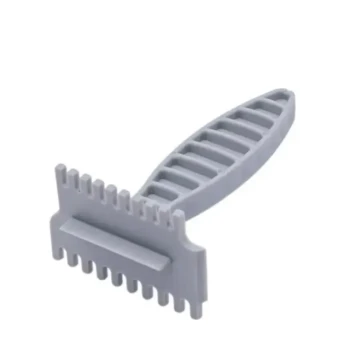
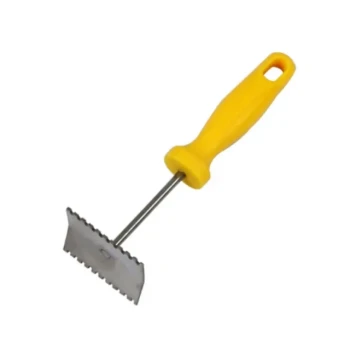
- Lightweight Durable Plastic Queen Excluder Scraper for Beekeeping
- Premium Wood Framed Metal Wire Queen Bee Excluder
- Professional Plastic Queen Excluder for Modern Beekeeping
- Metal Queen Bee Excluder for Beekeeping
People Also Ask
- What are the characteristics of a plastic queen excluder? Key Benefits for Cost-Effective Beekeeping
- What are the operational and cost advantages of using plastic queen excluders over metal or wire excluders in commercial hive management? Discover how they reduce labor, prevent wing damage, and lower total costs.
- What types of queen excluders are available for beekeepers? Choose the Right Tool for Your Hive
- Why are standardized hive frames and queen excluders essential for maintaining honey purity and quality? Scale Your Purity
- Do plastic queen excluders work? A Cost-Effective Solution for Modern Apiaries