Beeswax is a cornerstone asset in comprehensive beekeeping, transforming a secondary secretion into a primary driver of efficiency and profit. It is utilized both internally to optimize hive operations through recycled foundation sheets and externally as a raw material for value-added manufacturing in industrial and artisanal sectors.
The collection and processing of beeswax represents a resource-efficient circular model; it turns hive byproducts into high-value commodities while significantly reducing operational costs and biological stress on the bee colony.
Internal Utilization: The Circular Economy of the Hive
By processing discarded honeycombs and wax cappings, beekeepers create a "closed-loop" system that directly benefits the colony's productivity.
Recycling into Foundation Sheets
Raw beeswax, collected during uncapping or from old combs, can be melted and filtered to create beeswax foundation sheets.
These sheets are embossed with a hexagonal pattern, providing a highly acceptable biological template for bees to build new comb.
Reducing Biological Energy Expenditure
Producing wax naturally is energy-intensive for bees.
By providing ready-made foundation sheets, you reduce the biological energy bees must spend on wax secretion.
This conservation of energy allows the colony to redirect resources toward foraging, indirectly increasing the overall honey production of the apiary.
Enhancing Structural Integrity
Comb built on processed foundation is mechanically stronger than naturally built comb, often aided by embedded wiring.
This added strength is critical for modern centrifugal extraction processes, preventing the comb from collapsing under high rotational forces.
It also guides bees to build straight combs, facilitating easier removal and inspection by the beekeeper.
Optimizing Cell Geometry
Using foundation allows beekeepers to manipulate the architecture of the hive.
Foundation can be stamped with specific cell sizes (e.g., 5.4 mm versus the natural 4.6–5.1 mm).
Guiding bees to build larger cells can result in larger worker bees and increased volume for honey storage.
External Utilization: Diversifying Revenue Streams
Beyond internal savings, beeswax serves as a versatile raw material that opens new markets, helping enterprises mitigate the risks associated with honey price fluctuations.
Artisanal and Manufacturing Applications
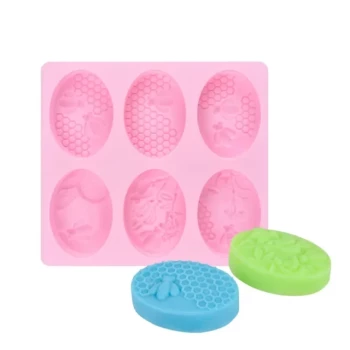
Beeswax is a primary material for producing illumination candles, crafts, and protective coatings.
These applications allow beekeepers to engage in deep processing, creating finished consumer goods that often command higher margins than raw agricultural products.
High-Value Industrial Integration
Refined beeswax possesses unique physicochemical properties valued in specialized sectors.
It is extensively utilized in cosmetics (face creams), pharmaceuticals (coatings), and food processing.
It even serves niche industrial roles, such as moisture retention agents in the tobacco industry.
Economic Resilience
Diversifying into wax products generates income during non-honey seasons.
This creates a buffer against market volatility, ensuring the financial resilience of the beekeeping enterprise even when honey yields or prices are low.
Understanding the Trade-offs
While utilizing beeswax offers significant advantages, it requires specific investments and considerations.
Processing Overhead
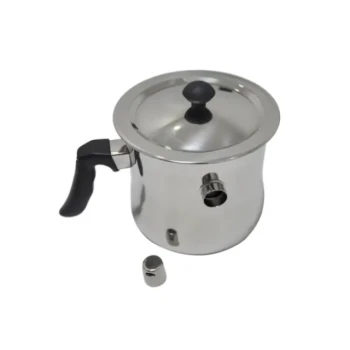
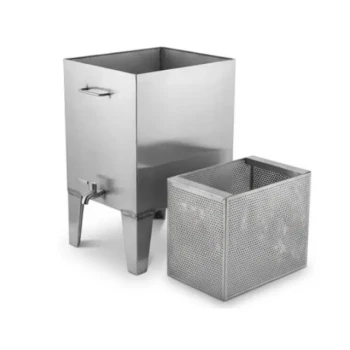
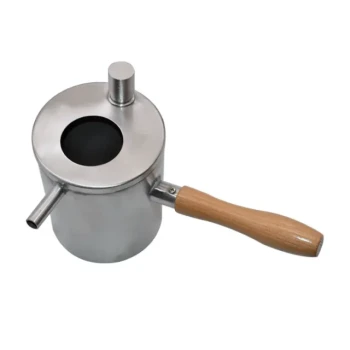
Transforming raw wax into high-quality foundation or saleable bricks requires specialized refining equipment.
Beekeepers must invest in melting, mechanical filtration, and potentially decolorization processes to ensure the wax meets industrial or medicinal purity standards.
Balancing Purity and Utility
Not all collected wax is suitable for all applications.
Wax intended for pharmaceuticals requires rigorous refining to remove impurities, whereas wax for hive foundation must remain free of chemical contaminants to maintain high biological acceptability for the colony.
Making the Right Choice for Your Goal
The way you utilize beeswax should align with your specific operational objectives.
- If your primary focus is Operational Efficiency: Prioritize recycling wax into foundation sheets to reduce overhead costs, guide straight comb construction, and maximize honey yields by saving bee energy.
- If your primary focus is Revenue Diversification: Invest in refining equipment to process wax for high-value external markets like cosmetics, candles, or pharmaceuticals to buffer against honey market volatility.
A comprehensive beekeeping operation views beeswax not as waste, but as a critical lever for both biological optimization and financial stability.
Summary Table:
| Utilization Category | Primary Application | Key Benefits for the Enterprise |
|---|---|---|
| Internal Operations | Foundation Sheets | Reduces bee energy expenditure, increases honey yield, improves comb strength. |
| Artisanal Goods | Candles & Crafts | High-margin consumer products, diversifies income streams. |
| Industrial Use | Cosmetics & Pharma | Access to stable, high-value markets for refined wax. |
| Hive Management | Cell Geometry Control | Optimizes worker bee size and maximizes storage volume. |
Unlock the Full Potential of Your Apiary Byproducts with HONESTBEE
Transforming raw beeswax into a profit driver requires the right technology. HONESTBEE specializes in supporting commercial apiaries and distributors with professional-grade solutions. Whether you need specialized hive-making and honey-filling machinery to streamline your production or high-quality beekeeping tools and consumables to maintain colony health, we provide the comprehensive wholesale support you need to scale.
From industrial equipment to honey-themed cultural merchandise, we help you maximize the value of every hive. Contact HONESTBEE today to discover how our global supply expertise can enhance your operational efficiency and market resilience.
References
- Simone Athayde, Wemerson Chimello Ballester. Engaging indigenous and academic knowledge on bees in the Amazon: implications for environmental management and transdisciplinary research. DOI: 10.1186/s13002-016-0093-z
This article is also based on technical information from HonestBee Knowledge Base .
Related Products
- Beeswax Machine Press Embosser Wax Foundation Mold Printer Bee Hive Equipment Making Sheet
- Beeswax Foundation Sheets Beehive Foundation for Wholesale
- Colorful Silicone Beeswax Foundation Mold Mould for Beekeeping
- Economy Manual Beeswax Embossing Mill Wax Foundation Machine Roller
- Electric Beeswax Flat Sheet Machine with Operating Tray for Wax Processing
People Also Ask
- What equipment is needed to make beeswax foundation? A Guide to DIY Wax Sheet Production
- What miscellaneous equipment is needed for making foundation? A Guide to the Essential Tools
- What miscellaneous equipment is useful when making beeswax foundation? Essential Support Tools for Beekeepers
- What specific equipment is required for making beeswax foundation? Essential Tools for High-Quality Production
- What is the recommended temperature for melting beeswax to make foundation sheets? Master the 70°C-80°C Ideal Range