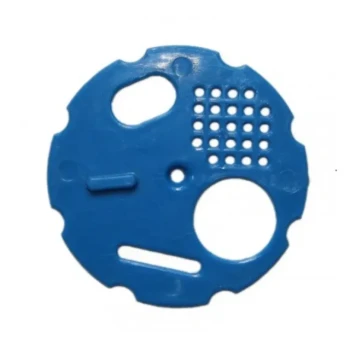
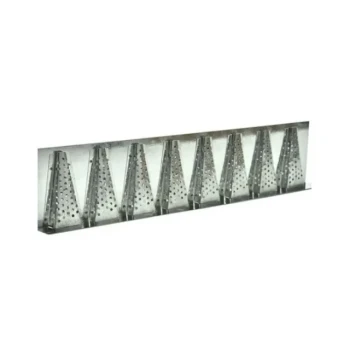
The standard configuration of a beehive places the primary entrance at the very bottom of the structure, integrated directly into the bottom board. While this serves as the foundational gate, beekeepers frequently modify this setup by creating secondary access points higher up in the stack. These modifications are designed to improve ventilation and provide nectar foragers with immediate access to the upper boxes where honey is stored.
While the bottom board provides the standard entry point, hive entrances are dynamic features that should be adjusted to balance ventilation needs, honey production efficiency, and seasonal climate control.
Standard Configuration and Placement
The Bottom Board Foundation
The primary entrance is almost always situated at the base of the hive. It is a structural component of the bottom board, which supports the weight of the colony.
Material Variations
This bottom interface can be constructed from solid wood or modern screened materials. Regardless of the material, its function remains the same: acting as the main thoroughfare for the colony.
Strategic Modifications for Performance
Creating Upper Access
Beekeepers often intervene to create additional entry points above the brood nest. This technique is particularly useful when adding "supers" (boxes used for honey storage).
Direct Forager Routing
The goal of upper entrances is to streamline the workflow for nectar foragers. By providing an upper entry, bees can deposit nectar directly into the storage area without traversing the crowded lower brood boxes.
Methods of Modification
There are several standard methods to achieve this configuration. Common techniques include drilling ventilation holes directly into the boxes or using a shim (a spacer) between boxes.
Offsetting Boxes
Another simple method involves offsetting the boxes slightly. By sliding a box back or forward, a gap is created that serves as a makeshift entrance and ventilation slot.
Biological Responses and Seasonal Adjustments
Natural Decay and Repair
Over time, older wooden hives may develop unplanned entrances due to natural decay. Bees manage these structural flaws by coating the surrounding area with propolis, a resinous mixture used as glue and sealant.
The Role of Propolis
Bees are not passive regarding airflow and security. If an alternative opening—whether man-made or natural—is unwanted, the colony will often seal it shut with propolis.
Winter Configuration
The expansive ventilation required in summer becomes a liability in winter. During colder months, beekeepers must reduce the entrance sizes significantly to help the colony retain heat.
Optimizing Your Hive Entrance Strategy
To manage your hive effectively, you must match your entrance configuration to the specific needs of the season and the colony's current activity.
- If your primary focus is increasing honey production: Utilize shims or drilled holes in upper supers to give foragers a direct path to honey stores.
- If your primary focus is overwintering: Reduce the entrance size significantly to minimize drafts and assist the bees in maintaining the cluster's warmth.
- If your primary focus is hive longevity: Monitor older equipment for decay-induced entrances and observe if the bees are attempting to seal them with propolis.
Adapt your hive's architecture to the season, ensuring the bees have the ventilation they need in summer and the protection they require in winter.
Summary Table:
| Entrance Type | Typical Location | Primary Purpose | Best Season |
|---|---|---|---|
| Standard Entrance | Bottom Board | Main access point & colony foundation | Year-round |
| Upper Entrance | Honey Supers | Direct honey storage access for foragers | Spring/Summer |
| Drilled/Shim Holes | Upper Hive Boxes | Enhanced airflow & ventilation control | Summer Flow |
| Reduced Entrance | Bottom Board | Heat retention & pest prevention | Winter/Early Spring |
Scale Your Beekeeping Operations with HONESTBEE
At HONESTBEE, we empower commercial apiaries and distributors with the high-performance tools needed to optimize colony health and honey yields. Whether you are looking for specialized hive-making machinery to customize your own entrance configurations or need a bulk supply of durable, professional-grade beekeeping equipment and consumables, we have you covered.
Our value to your business:
- Comprehensive Wholesale Range: From hive hardware to honey-filling machines.
- Industry Expertise: Tools designed for the rigors of commercial honey production.
- Tailored Solutions: Supporting both large-scale apiaries and equipment distributors.
Ready to elevate your honey production efficiency? Contact HONESTBEE Today to discuss our wholesale offerings and equipment solutions!
Related Products
- Professional Reversible Beehive Hive Entrance
- Beehive Entrance Discs Plastic Bee Entrance Disc for Bee Hives
- Multi-Functional Sliding Hive Entrance for Beekeeping
- Steel Round Disc Entrance Reducer for Flexzion Bee Hive Nuc Box Gate
- Multi-Functional Rotary Hive Entrance Disc for Beekeeping
People Also Ask
- Where is the hive entrance typically located? Optimize Your Hive's Health and Honey Production
- What role does the size of the entrance play in hive ventilation? Master Beehive Climate Control
- What roles does the hive entrance (piquera) play in beehive management and colony health? Essential Guide for Pro Apiaries
- What are the primary advantages of providing a smaller entrance for a beehive? Boost Defense and Winter Survival
- Why adjust beehive entrance size for humidity? Boost Honey Ripening and Varroa Control in Commercial Apiaries