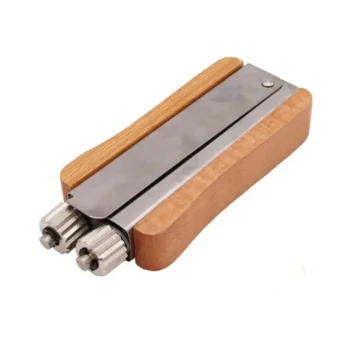
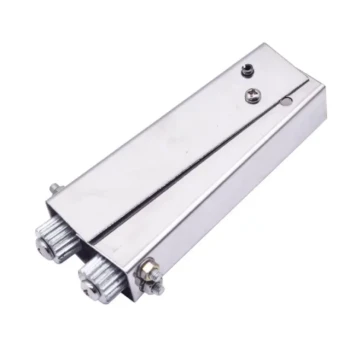
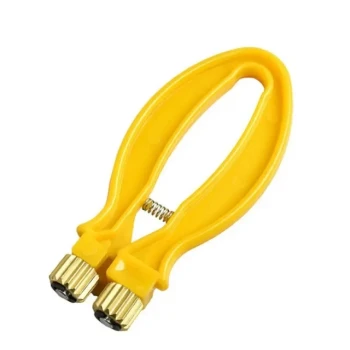
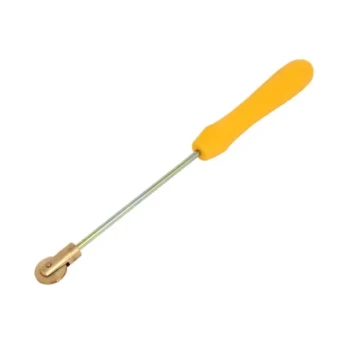
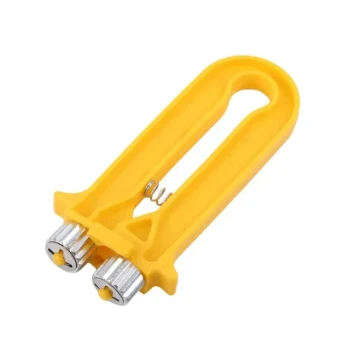
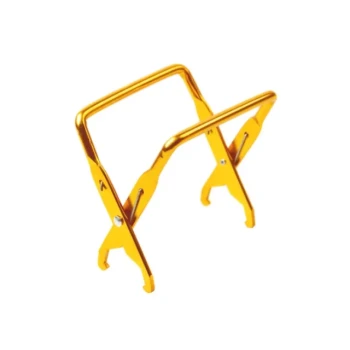
The most effective method for tightening beekeeping frame wire involves utilizing the elasticity of the wood itself rather than relying solely on manual pulling. The frame is placed in a specialized device that compresses the side bars inward; once the wire is fastened and the frame is released, the wood springs back to its original shape, pulling the wire taut automatically. Alternatively, wire can be tightened manually by pulling all slack through the eyelets with pliers and wrapping it tightly around a securing nail.
To verify that your frame is wired correctly, pluck the wire; it must be tight enough to produce a clear, high-pitched sound similar to a musical string.
The Pre-Tensioning Method (Recommended)
This approach, derived from standard industry practices, uses physics to achieve superior tension. It relies on a jig or device to pre-stress the wood frame.
Compressing the Frame
The frame is placed into a mechanical device designed to exert force on the wooden components.
The device pulls down on the bottom bar of the frame.
This action causes the side bars to draw closer together (bowing inward) slightly.
Fastening and Releasing
With the frame compressed and the side bars bowed in, the wire is threaded and fastened securely.
Once the wire is locked in place, the frame is released from the device.
As the side bars attempt to return to their parallel position, they pull apart, tightening the wire automatically to the required tension.
The Manual Tensioning Technique
If you do not have access to a tensioning device, you must rely on manual force to remove slack.
Removing Initial Slack
Secure the wire at the top of the frame first.
Pull the wire firmly to draw any excess length out through the eyelet near the bottom nail.
The Anchor Pull
Cut the wire with pliers and wrap it loosely around the bottom nail.
Pull the wire very tight through the frame to ensure absolutely no slack remains in the run.
Unloop the wire from the nail, pull it as tight as physically possible, and then re-loop it multiple times around the nail to lock it in.
Why High Tension is Non-Negotiable
Understanding the purpose of the wire prevents the common mistake of leaving it too loose.
Preventing Foundation Collapse
The primary job of the wire is to act as a skeleton for the beeswax foundation.
Without tight wires, the foundation may sag or collapse before the bees have a chance to draw out the comb.
Withstanding Centrifugal Force
During honey harvest, frames are spun at high speeds in an extractor.
Loose wires allow the heavy honeycomb to break out of the frame under this centrifugal force, destroying your harvest and the comb.
Structural Longevity
The tension helps hold the frame’s wooden components together.
This ensures the frame remains square and rigid as the wood ages over seasons of use.
Common Pitfalls to Avoid
Relying on "Hand Tight"
Simply pulling the wire with your fingers is rarely sufficient.
Wire that feels tight to the hand often becomes loose once the wax is added or temperature changes occur.
Ignoring the "Musical" Test
Visual inspection is not enough to gauge tension.
You must listen for the musical note when plucking the wire; a dull thud indicates the wire is too loose and will likely fail during extraction.
Ensuring Durability in Your Apiary
Achieving the correct tension is the difference between a long-lasting comb and a blown-out mess in the extractor.
- If your primary focus is volume and consistency: Use a tensioning jig to compress the frame, as this ensures uniform tightness across all frames without hand fatigue.
- If your primary focus is low-cost or small-scale repair: Use the manual method with pliers, ensuring you pull the wire tighter than you think is necessary before securing the final nail.
A properly tensioned wire is the invisible backbone of your operation, protecting your comb and ensuring your frames withstand the rigors of the harvest.
Summary Table:
| Method | Technique | Key Benefit |
|---|---|---|
| Pre-Tensioning | Mechanical jig compresses side bars | Automatic, uniform high tension |
| Manual Pulling | Pliers and manual force | Low cost; no specialized machinery |
| The Sound Test | Plucking the wire | Quick verification of proper tension |
| Anchoring | Securing to nails/eyelets | Prevents wire slippage over time |
Elevate Your Apiary Efficiency with HONESTBEE
At HONESTBEE, we understand that high-quality frames are the backbone of a productive honey harvest. We cater to commercial apiaries and distributors worldwide, offering a comprehensive wholesale range of beekeeping tools, machinery, and essential consumables.
Whether you need specialized hardware like frame-tensioning jigs, honey-filling machines, or bulk-order beekeeping equipment, our portfolio is designed to enhance your operational durability. Ensure your frames withstand every extraction cycle with the right tools.
Contact HONESTBEE Today for Wholesale Solutions
Related Products
- Stainless Steel Bee Hive Frame Wire for Beekeeping
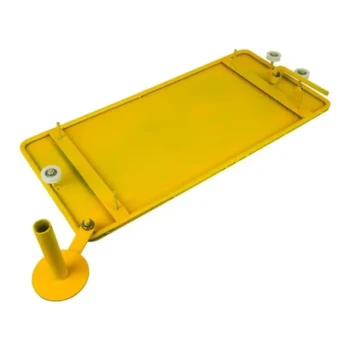
- HONESTBEE Durable Frame Wiring Board with Integrated Tensioner
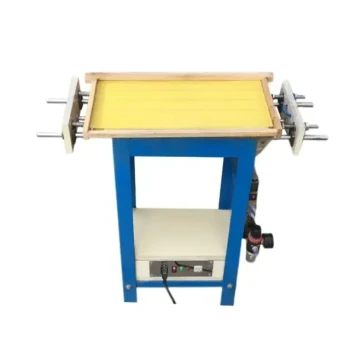
- Professional Pneumatic Wire Embedder for Beehive Frames
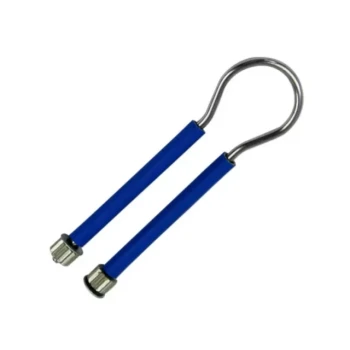
- HONESTBEE Loop Handle Frame Wire Crimper
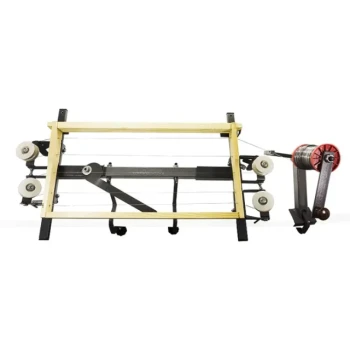
- Professional Bee Frame Wiring Tool with Integrated Tensioning System by HONESTBEE
People Also Ask
- What are the arguments for and against wiring beehive frames? Balance Durability and Management Flexibility
- What are the drawbacks of wiring beehive frames? Key Limitations and Structural Trade-offs Revealed
- How is the wire secured at the top of the frame? A Guide to Locking in Tension for Strong Honeycomb
- What factors determine the amount of wiring needed in beehive frames? Tailor Your Strategy for Your Climate
- What tools are needed to wire a beehive frame? Essential Equipment for Durable Frame Construction