During peak nectar flow, keep honey storage ahead of the colony. Place clean-comb or foundation-equipped honey supers above a correctly positioned queen excluder, and add capacity before the active super is full. When a super reaches approximately three-quarters full, place an empty super directly above the excluder and move the partially filled super above it.
The practical rule is to keep at least one super ahead of the bees. This prevents storage congestion, preserves foraging momentum, and gives workers enough comb space to spread and ripen incoming nectar.
How to Arrange Supers During Peak Flow
Position the Queen Excluder Correctly
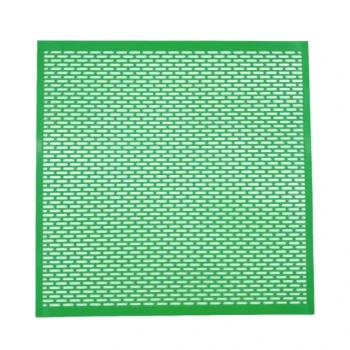
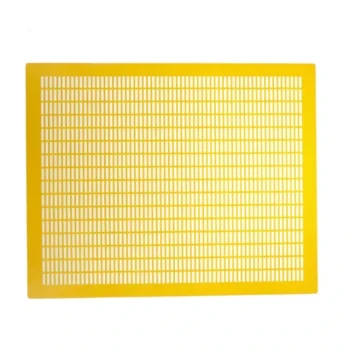
The queen excluder belongs between the brood chamber and the honey supers. Its spacing permits worker bees to pass while restricting the larger queen to the brood area.
This keeps the honey-storage space free of eggs and larvae, supporting cleaner harvesting and better product marketability.
Use Prepared, Usable Comb
Supers should be equipped with clean drawn comb or properly prepared foundation before they are placed on the hive. Empty equipment is only useful if bees can readily occupy and use it.
For commercial operations, standardized supers and frames make it easier to expand colonies quickly and maintain consistent handling procedures across an apiary.
Add the Next Super Before Congestion
When the active super is about 75% full, place a fresh, empty super immediately above the queen excluder. Move the partially filled super above the new one.
This arrangement gives incoming nectar a nearby storage area while encouraging bees to continue working and completing the honey in the partially filled super above.
Why Extra Space Improves Honey Storage
Preserve Foraging Momentum
A strong colony can fill a super within only a few days during a major flow. Waiting until the available space is completely occupied creates a storage bottleneck at exactly the time the colony has the greatest collection potential.
Maintaining one super ahead gives foragers somewhere to place incoming nectar and reduces the risk that limited storage will slow colony activity.
Support Nectar Evaporation
Fresh nectar contains substantial moisture and must be spread across cells so bees can process and ripen it before capping. Additional comb surface gives workers the room required to distribute nectar in thin layers.
Supering therefore supports not only storage volume, but also the transition from unripened nectar to harvestable honey.
Reduce Crowding Pressure
Insufficient hive space can contribute to congestion, reduced foraging efficiency, and unwanted swarming impulses. Early preparation and timely supering help strong colonies handle rapid population and nectar increases.
For distributors and commercial operators, this makes a dependable inventory of compatible supers, frames, and foundation an operational necessity rather than an optional convenience.
Build a Responsive Supering System
Prepare Equipment Before the Flow
All supers, frames, foundation, covers, and related equipment should be assembled and ready before nectar flow reaches its peak. Delayed preparation can result in missed nectar, crowded colonies, and rushed field handling.
A standardized, modular equipment portfolio allows teams to add capacity rapidly without sorting through incompatible components.
Use Oversupering When the Flow Is Strong
During the early and strongest part of the flow, oversupering—providing more storage capacity than the colony currently needs—can protect against sudden increases in nectar intake.
The objective is to maintain abundant working space while keeping the colony from reaching a storage limit between inspections.
Maintain Excess Frame Capacity
It is generally more effective to have extra frames and supers available than to discover that the apiary has insufficient equipment during a short, intense bloom.
Ready-to-use inventory also supports faster order fulfillment, easier replacement of damaged components, and more consistent management across multiple apiary sites.
Understanding the Trade-offs
Avoid Waiting Too Long
Adding a super only after the current one is completely full risks congestion. Bees may have difficulty finding adequate space for incoming nectar, reducing the efficiency of the flow and increasing management pressure.
The three-quarters-full guideline provides a practical inspection trigger, but operators should also consider colony strength, weather, crop intensity, and inspection timing.
Avoid Excessive Supering as the Flow Declines
As the targeted nectar flow peaks and begins to decline, gradually reduce additional supering. Maintaining excessive empty volume late in the flow can encourage bees to work only the central frames across multiple boxes, a pattern often described as chimneying.
Excess equipment also creates unnecessary frame handling and may encourage foundation chewing rather than efficient completion of existing stores.
Balance Storage and Ripening
The goal is not simply to stack the maximum number of boxes. Space must be sufficient for collection and evaporation during the peak, then more controlled as nectar intake falls.
Near the end of the flow, under-supering can encourage bees to consolidate and finish ripening and capping the honey already stored.
Monitor the Top Super
The top super should not be allowed to become a neglected or congested work area. Operators should inspect super occupancy and maintain enough usable empty comb to prevent crop loss, stuck covers, and burr-comb formation.
Consistent equipment dimensions and precise frame construction make these inspections and adjustments faster.
How to Apply This to Your Apiary
Use the following operating priorities to align super management with production goals:
- If your primary focus is maximum honey yield: Inspect frequently during peak flow and add an empty super when the active super reaches approximately three-quarters full, keeping one super ahead of the colony.
- If your primary focus is honey purity and marketability: Keep the queen excluder between the brood chamber and honey supers, using clean comb or foundation to prevent brood from entering the harvest area.
- If your primary focus is rapid commercial expansion: Maintain a ready inventory of standardized supers, frames, and foundation so crews can add capacity without delays or compatibility problems.
- If your primary focus is finished-honey quality: Provide ample space during the strongest flow for evaporation, then taper supering as the flow declines so bees can consolidate and cap existing stores.
With timely inspections, correctly positioned excluders, and ready-to-deploy standardized equipment, apiary operators can capture more nectar while helping colonies ripen and store it efficiently.
Summary Table:
| Aspect | Key Action | Timing/Trigger |
|---|---|---|
| Queen Excluder | Place between brood chamber and honey supers | Before adding supers |
| Super Equipment | Use clean drawn comb or prepared foundation | Prior to placement |
| Adding Supers | Add new super above excluder when active super is 75% full | Keep one super ahead |
| Oversupering | Provide extra capacity during strong flow | At peak flow start |
| Reducing Supers | Taper supering as flow declines | After peak passes |
| Inspection | Monitor top super and adjust as needed | Regularly during flow |
Ready to optimize your honey production? At HONESTBEE, we supply commercial apiaries and distributors with a comprehensive range of beekeeping tools, machinery, and equipment—from hive-making and honey-filling machines to essential consumables. Our one-stop sourcing, rapid response, and dedicated support ensure you have the right equipment when you need it. For distributors and wholesalers, we offer OEM/ODM support, competitive margins, and reliable supply chains. Contact us today to streamline your operations and maximize your yields. Get in touch now!
Related Products
- High-Efficiency Diamond Maze Bee Escape for Clearing Supers
- Durable 16 Way Circular Bee Escape for Efficient Honey Harvesting
- High Performance Plastic Queen Excluder for Beekeeping and Apiary Management
- Premium Wood Framed Metal Wire Queen Bee Excluder
- Metal Queen Bee Excluder for Beekeeping
People Also Ask
- How can a bee escape be adapted for use in a Warre hive? Effective Customization Methods for Successful Harvesting
- How can bees be cleared off honey supers in a Langstroth hive? Use a Gentle Bee Escape
- What are some common types of bee escapes and how are they typically mounted? Optimize Your Honey Harvest Efficiency
- What is a bee escape and why is it used in beekeeping? A Guide to Gentle Honey Harvesting
- What is the primary function of a bee escape? Simplify Your Honey Harvest with Stress-Free Hive Management