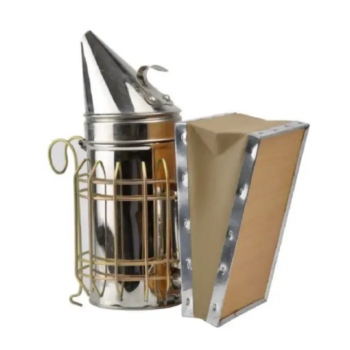
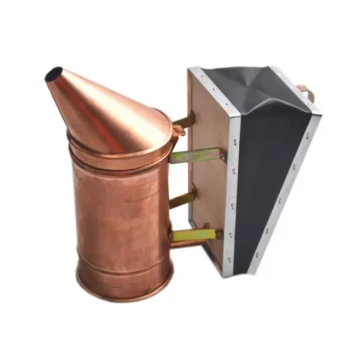
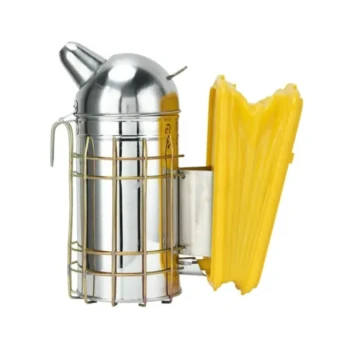
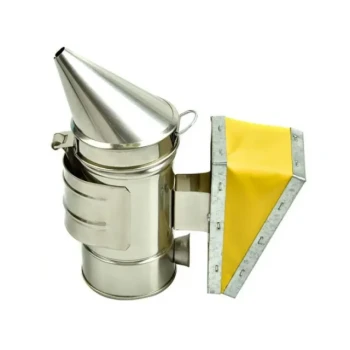
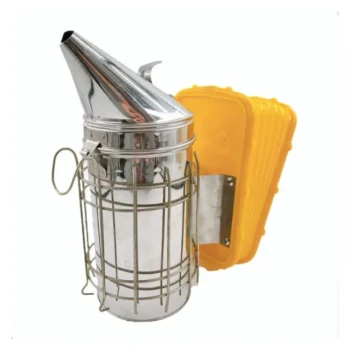
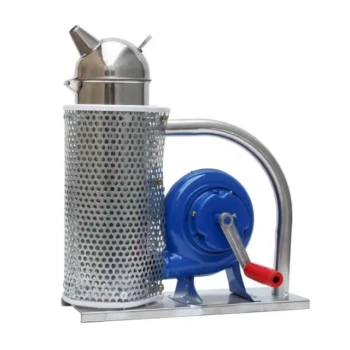
Use the least amount of cool smoke that safely controls defensive behavior. Before opening a hive, ensure the smoker produces cool, flame-free smoke, then apply a few slow puffs at the entrance and wait about one minute. Add only light smoke beneath the cover and use targeted puffs during frame handling, rather than continuously filling the brood chamber. This temporarily masks or disrupts alarm-pheromone signaling while minimizing unnecessary interference with the colony’s broader chemical communication.
Core takeaway: A smoker should be a precision tool, not a fog machine. Cool, light, and strategically timed smoke calms guard bees and reduces defensive responses while allowing the colony’s natural pheromone systems to recover quickly after maintenance.
Why Smoke Must Be Used Precisely
Smoke affects more than bee defensiveness
Honeybees rely on complex chemical signals for queen recognition, brood care, larval capping, worker task division, and alarm communication. Smoke temporarily interferes with these signals, particularly the chemical cues that coordinate defensive behavior.
That disruption is useful during hive maintenance, but it should remain brief and localized. Excessive smoking can create unnecessary behavioral disturbance beyond the immediate handling task.
The objective is calm, not complete suppression
The purpose of smoking is to encourage defender bees to move deeper into the hive and reduce the likelihood of aggressive responses. It is not to drive bees away from the frames or overwhelm the colony with smoke.
A calm colony is easier to inspect, and gentle handling further reduces stress and the release of additional alarm pheromones.
How to Operate the Smoker During an Inspection
Prepare cool smoke before approaching the hive
Light the smoker early enough for it to produce a steady stream of cool smoke, rather than hot air, sparks, or flames. Use suitable fuel and operate the bellows gradually so the smoker remains stable throughout the inspection.
No flames should escape from the smoker. Hot smoke can burn bees and larvae, increase buzzing and distress, and provoke aggression instead of reducing it.
Begin at the entrance
Stand at the rear of the hive, approximately 1 to 2 feet away, and deliver a few slow puffs toward the entrance. Avoid rapid pumping or forceful blasts.
Wait approximately one minute. This gives guard bees time to respond to the smoke and move away from the entrance rather than reacting immediately to the beekeeper’s presence.
Smoke beneath the cover gently
Lift the outer cover slightly and apply two or three light puffs through the opening. After another short pause, carefully remove the inner cover using a hive tool.
Allow the smoke to drift under the cover and across the top bars. Do not aggressively pump smoke directly into the brood chamber, because the goal is to influence the bees gently rather than saturate the colony.
Use targeted puffs during frame handling
Once the hive is open, smoke only when the bees begin showing defensive behavior or when bees need to be cleared from a frame lug or hive-tool insertion point. A small, directed puff is generally preferable to repeated broad applications.
Keep the smoker lit and ready, but do not operate it continuously. The presence of available cool smoke allows the beekeeper to respond precisely instead of over-smoking preemptively.
Handling Technique Also Protects Colony Stability
Avoid crushing bees between frames
Lift frames straight upward and slowly. Pulling or twisting frames can roll and crush bees between adjacent comb surfaces.
Crushed bees release alarm pheromones, which can increase colony agitation and create a need for more smoke. Careful mechanical handling therefore supports the same goal as restrained smoker use.
Loosen stuck frames with a hive tool
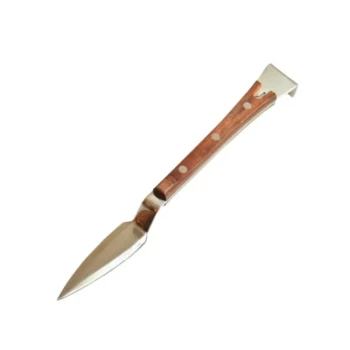
Use the curved end of a metal hive tool to separate and loosen frames before lifting them. Do not force a stuck frame upward, as sudden movement can damage comb or crush bees.
Smooth frame manipulation reduces vibration, injury, and defensive escalation during the inspection.
Match smoke to the colony’s behavior
Smoke should be adjusted according to observable conditions. If bees remain calm, do not add more simply because the smoker is available.
If buzzing, defensive movement, or attempts to sting increase, apply a small amount of cool smoke and pause before continuing. This measured approach helps avoid the cycle of agitation caused by excessive intervention.
Choosing Equipment That Supports Controlled Operation
Prioritize temperature and airflow control
A reliable smoker should produce a consistent stream of cool smoke without frequent flames or sudden bursts of hot air. Responsive bellows help the beekeeper deliver long, slow puffs rather than short, uncontrolled blasts.
For distributors, wholesalers, and professional apiary suppliers, these operating characteristics are more meaningful than appearance alone. Equipment quality directly affects whether users can apply the minimum effective amount of smoke.
Consider the full inspection workflow
The smoker should remain usable while the beekeeper handles the cover, hive tool, and frames. A stable design, dependable bellows, and adequate fuel capacity support controlled operation throughout routine maintenance.
A product portfolio that includes dependable smokers and complementary hive-management tools can help resellers serve both occasional beekeepers and demanding commercial operations. Consistent availability and rapid fulfillment also matter when equipment is needed during active apiary work.
Understanding the Trade-offs
Too little smoke can compromise safety
Using no smoke or insufficient smoke may leave guard bees highly defensive, making hive opening more difficult and increasing the risk of stinging. The answer is not to avoid smoking entirely, but to use enough cool smoke to control the immediate defensive response.
Weather, colony temperament, and the nature of the inspection can affect how much is required. Beekeepers should respond to the colony rather than follow a rigid quantity for every hive.
Too much smoke prolongs disruption
Excessive smoke can temporarily interfere with chemical communication more broadly than necessary. It may also cause bees to retreat excessively, increase buzzing and distress, and make inspection less predictable.
Over-smoking can therefore undermine the very control it is intended to provide. More smoke is not automatically more calming.
Hot smoke is a technical failure
A smoker that emits flames, sparks, or hot air is not operating correctly for hive maintenance. Hot smoke can injure bees and larvae and may intensify defensive behavior.
If the smoker cannot reliably produce cool smoke, stop and correct the fuel or airflow problem before continuing. Equipment that cannot deliver controlled smoke should not be treated as suitable simply because it is lit.
Smoke cannot replace gentle handling
Even correctly applied smoke will not compensate for crushed bees, rough frame movement, excessive vibration, or prolonged exposure of the brood nest. Poor handling can release alarm pheromones and force the beekeeper to apply still more smoke.
The best results come from combining restrained smoking with slow, deliberate manipulation.
How to Apply This to Your Apiary or Product Program
Use a repeatable operating standard that treats smoke as a targeted intervention rather than a continuous treatment.
- If your primary focus is colony welfare: Use cool, flame-free smoke sparingly, apply it only at the entrance, beneath the cover, or at specific handling points, and avoid saturating the brood chamber.
- If your primary focus is beekeeper safety: Prepare the smoker before opening the hive, wait after the initial puffs, and keep a reliable source of cool smoke available for defensive surges.
- If your primary focus is inspection efficiency: Combine minimal smoke with a hive tool, straight frame lifts, and slow movements to prevent crushed bees and avoid repeated corrective smoking.
- If your primary focus is equipment sourcing or resale: Prioritize smokers with dependable bellows, controlled airflow, and consistent cool-smoke production, supported by responsive fulfillment and reliable product availability.
Controlled smoke protects both the beekeeper’s working environment and the colony’s ability to return quickly to its natural chemical communication.
Summary Table:
| Aspect | Recommendation |
|---|---|
| Smoke temperature | Always use cool, flame-free smoke. |
| Initial application | A few slow puffs at the entrance; wait 1 minute. |
| During inspection | Light smoke under cover; targeted puffs only as needed. |
| Handling technique | Lift frames straight, avoid crushing bees. |
| Equipment | Reliable smoker with controlled airflow and responsive bellows. |
| Key principle | Smoke is a precision tool, not a fog machine. |
Optimize your beekeeping operations with HONESTBEE's premium smoking tools and full-spectrum equipment. Our one-stop sourcing, rapid delivery, and expert support ensure you maintain colony health while maximizing efficiency. Contact us today to discuss wholesale pricing, OEM/ODM options, and reliable supply for your business.
Related Products
- Stainless Steel Bee Hive Smoker Beekeeping Smoker for Wholesale
- Stainless Steel Honey Bee Smoker Hive and Honeycomb Smoker for Beekeeping
- Electric Bee Smoker European Style Bee Hive Smoker for Beekeeping
- European Stainless Steel Bee Smoker for Honey Bee Hive
- Premium Traditional Copper Bee Smoker with Bellows
People Also Ask
- What preparation is required before opening a bee hive? Essential Checklist for Safe Hive Inspection
- What are bee smokers made out of? Choose the Right Material for Your Apiary
- What is the operational mechanism of a beehive smoker? Master Bee Calm and Safety During Harvesting
- What is the proper technique for smoking a hive? Master Calm, Effective Hive Inspections
- What is the proper method for using a beehive smoker? Master the Art of Calming Your Colony Safely