Preparation is the critical first step in any successful hive inspection. Before approaching the colony, you must don appropriate protective clothing, ensure your hive tool is within reach for manipulating frames, and confirm your smoker is lit, fueled, and producing a consistent volume of cool smoke.
Successful hive inspection relies on having your equipment accessible and your smoker active before you ever touch the hive cover. This preparation minimizes disturbance to the colony and ensures you remain safe and efficient.
Essential Equipment Readiness
Personal Protection
Safety is paramount. Before approaching the apiary, you must be wearing protective beekeeping clothing. This creates a physical barrier that allows you to work with confidence and reduces the risk of stings.
The Hive Tool
You must have a hive tool readily available before you begin. This instrument is essential for prying apart propolis-sealed components and manipulating frames safely. attempting to inspect a hive without one is ineffective and agitates the bees.
Nutritional Supplies
Anticipate the colony's needs before opening the hive. Have sugar syrup or pollen patties prepared and nearby. This allows you to replenish feeders efficiently just before closing the hive, rather than leaving the colony exposed while you fetch supplies.
Mastering the Smoker
Fueling and Lighting
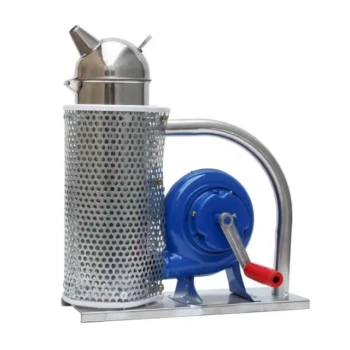
The smoker is your primary tool for communication and control. It must be filled with enough fuel to ensure it does not go out during the inspection. A smoker that extinguishes mid-inspection leaves you vulnerable when you need it most.
The Importance of Cool Smoke
Ensure the smoker is producing cool smoke, not hot flames. Cool smoke is essential for calming the honey bees without harming them. Hot smoke can singe their wings and agitate the colony further.
Strategic Application
Before removing the cover, puff a small amount of smoke at the hive entrance. This signals your presence to the guard bees. Once the hive is open, use smoke sparingly; a few puffs are usually sufficient to maintain a calm atmosphere.
Common Pitfalls to Avoid
Overusing Smoke
While the smoker is a vital tool, use smoke sparingly. Excessive smoking can distress the colony or drive them out of the hive. The goal is to mask alarm pheromones, not to choke the bees.
Neglecting Alarm Pheromones
If you are stung, do not ignore it. Immediately smoke the specific area where the sting occurred. This masks the alarm pheromone released by the sting, preventing other bees from targeting the same spot.
Unstable Hive Placement
Ensure the hive is in its final, intended location before you begin. Moving a hive after bees are established is impractical and disorienting for foragers. If this is a new installation, the components should be fully assembled and painted beforehand.
Executing a Smooth Inspection
Maintaining Composure
Your demeanor directly affects the colony. Remain gentle and calm throughout the entire process. Quick, jerky movements are perceived as threats by the bees.
Reassembly Discipline
When finishing, reinsert frames carefully using your hive tool to maintain correct spacing. Improper spacing can lead to burr comb buildup and make future inspections difficult.
Ensuring a Successful Inspection
- If your primary focus is Safety: Prioritize proper protective gear and ensure your smoker is producing cool, dense smoke to mask alarm pheromones effectively.
- If your primary focus is Efficiency: Have all tools and nutritional supplements (syrup/pollen) physically laid out next to the hive to minimize the time the colony is open.
thorough preparation transforms a potentially chaotic inspection into a controlled, routine checkup.
Summary Table:
| Preparation Category | Key Requirement | Purpose |
|---|---|---|
| Personal Safety | Full protective clothing | Prevents stings and builds beekeeper confidence |
| Manual Tools | Hive tool & pre-lit smoker | For manipulating frames and calming bees via pheromone masking |
| Smoker Status | Consistent cool smoke | Signals arrival to guard bees without harming them |
| Nutrition/Supplies | Sugar syrup/pollen patties | Allows immediate feeding without leaving the hive exposed |
| Demeanor | Gentle, calm movements | Minimizes colony agitation and prevents defensive behavior |
Elevate Your Apiary Operations with HONESTBEE
Successful beekeeping starts with the right preparation and the highest quality equipment. At HONESTBEE, we specialize in empowering commercial apiaries and distributors with a comprehensive range of professional-grade tools and machinery.
Whether you need precision hive-making and honey-filling machines, durable protective gear, or essential consumables for large-scale operations, we provide the wholesale solutions you need to scale efficiently. Our portfolio even extends to honey-themed cultural merchandise to help you diversify your brand.
Ready to streamline your production and equip your apiary for success?
Contact HONESTBEE Today for Custom Wholesale Solutions
Related Products
- Stainless Steel Bee Hive Smoker Beekeeping Smoker for Wholesale
- Stainless Steel Honey Bee Smoker Hive and Honeycomb Smoker for Beekeeping
- European Stainless Steel Bee Smoker for Honey Bee Hive
- Electric Bee Smoker European Style Bee Hive Smoker for Beekeeping
- Stainless Steel Electric Beehive Smoker for Beekeeping and Bee Keeper Use
People Also Ask
- What are bee smokers made out of? Choose the Right Material for Your Apiary
- What is the operational mechanism of a beehive smoker? Master Bee Calm and Safety During Harvesting
- What is the proper technique for smoking a hive? Master Calm, Effective Hive Inspections
- What is the proper method for using a beehive smoker? Master the Art of Calming Your Colony Safely
- What happens when a beehive is heavily smoked? Control Colony Aggression via Survival Instincts