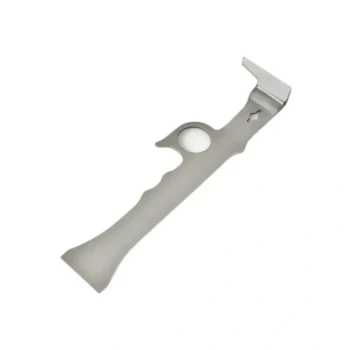
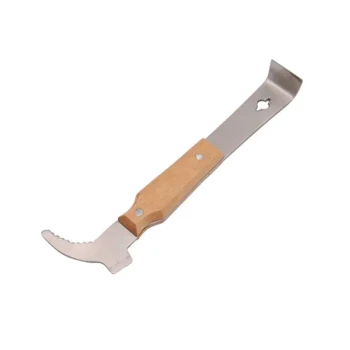
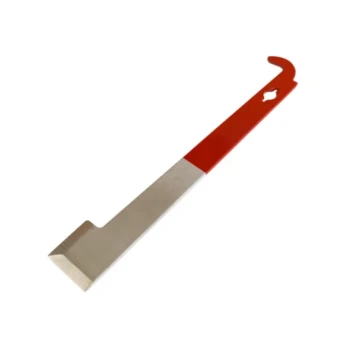
Use the smoker sparingly and the hive tool deliberately. During a routine inspection of a box-style hive, apply a few puffs of cool smoke at the entrance and beneath the cover, then allow roughly 30–120 seconds for the colony to settle. Use the hive tool to break propolis seals and separate frames or boxes, lifting each frame slowly and vertically to avoid crushing bees or damaging comb.
The goal is controlled movement, not maximum smoke. A prepared smoker gives you a way to manage defensive behavior when needed, while a well-designed hive tool lets you open sealed components with minimal jolting, bee mortality, and colony disturbance.
Prepare for a Controlled Inspection
Choose suitable inspection conditions
Inspect on a calm, warm day, ideally when foragers are active outside the hive. A commonly recommended minimum is around 16°C, although local weather, colony strength, and beekeeper experience should also guide the decision.
Avoid opening the hive unnecessarily in cold, wet, windy, or highly unsettled conditions. Poor timing can increase defensive behavior and extend the time the colony remains exposed.
Prepare both essential tools
The smoker should be lit before approaching the hive and should produce cool, gentle smoke rather than hot air or flames. The hive tool should be clean, strong, and shaped to provide leverage around covers and frames.
For professional or multi-apiary use, consistent tool quality matters. Reliable smokers and durable metal hive tools reduce interruptions during inspections and support faster, more controlled order fulfillment and field work.
Use the Smoker in Stages
Start at the entrance
Aim the smoker nozzle toward the entrance and give a few light puffs. This helps settle guard bees before the hive is opened.
Do not blast smoke directly at the bees. The objective is to introduce a light waft that encourages bees to move away from exposed working areas and reduces defensive responses.
Smoke beneath the cover
Lift the outer cover slightly and apply two or three gentle puffs beneath it, or through the inner-cover opening where appropriate. Replace the cover position carefully and allow the smoke to work before removing the inner cover.
A practical waiting period is about 30–60 seconds, extending toward one or two minutes if the colony remains unsettled. The bees’ behavior should determine whether more time or a small additional puff is necessary.
Maintain light control during the inspection
Keep the smoker available throughout the inspection, but do not smoke continuously by habit. Use occasional, small puffs around frame edges or areas of concentrated bee activity when the colony begins to show agitation.
Smoke should support calm handling, not substitute for it. Slow movements, minimal vibration, and avoiding sudden shadows or impacts are equally important.
Use the Hive Tool Without Crushing Bees
Break seals before forcing components
Propolis and beeswax can firmly seal the outer cover, inner cover, hive bodies, and frames. Insert the hive tool carefully and use its leverage to loosen the seal progressively rather than pulling or jolting the component.
The curved end of a metal hive tool is particularly useful for separating stuck frames and lifting covers. Excessive force can break comb, damage woodenware, or destabilize the hive.
Begin with a workable frame
When inspecting a removable-frame box, loosen a frame near the center rather than starting at the edge. Creating working space on both sides makes it easier to remove the frame without scraping neighboring comb.
This approach is especially useful when boxes or frames have been heavily propolized. It reduces the need to force a frame sideways through a tightly packed area.
Lift frames vertically and slowly
Once loosened, lift the frame straight upward and at a controlled speed. Avoid twisting, dragging, or rolling the frame against adjacent comb.
Crushing bees can release alarm pheromones and make the colony more defensive. It can also damage brood, injure the queen, and create avoidable repair work for the colony.
Use the tool to manage, not pry against bees
The hive tool should contact wood or hardened propolis whenever possible. Do not use it to scrape across clusters of bees or force bees between frame surfaces.
If bees are concentrated along an edge, a small, indirect puff of smoke can encourage them to move before the frame is repositioned or removed.
Inspect Methodically After Opening
Check colony condition
Once the frames are accessible, work through the inspection in a consistent order. Key observations include:
- Queen presence or evidence of recent queen activity
- Egg-laying pattern and brood condition
- Available comb space
- Honey and food stores
- Signs of Varroa or other disease problems
- Abnormal behavior, damage, or unusual brood patterns
A repeatable inspection sequence helps the beekeeper compare colony condition over time and reduces the chance of overlooking a developing issue.
Keep exposure and disturbance limited
Inspect only as much as necessary for the purpose of the visit. Prolonged exposure can chill brood, disrupt the colony, and increase defensive behavior.
Place frames back in their original orientation and position whenever practical. Reassemble boxes carefully so that frames are aligned and bees are not trapped between components.
Understanding the Trade-offs
Too little smoke can make handling unsafe
Some colonies remain calm and may not require smoke at all. However, having a lit smoker ready provides an immediate way to manage guard bees or a sudden rise in defensive behavior.
The correct approach is prepared but restrained: keep the smoker operational, then use the minimum amount that produces calm handling.
Too much smoke can create new problems
Excessive smoke can interfere with colony communication and may irritate or unsettle bees rather than calm them. Heavy smoke can also obscure observations and make it harder to judge the colony’s natural behavior.
If bees remain agitated after light application and a reasonable wait, stop and reassess the weather, hive condition, handling technique, and whether the inspection should continue.
Forceful tool use damages both bees and equipment
Using a hive tool as a lever against stuck frames without first creating space can crush bees, split wood, or break comb. Pulling frames directly without loosening propolis places unnecessary stress on the hive and the operator.
A strong metal tool improves leverage, but tool strength does not justify aggressive handling. Technique remains the primary control.
Tool choice affects operational efficiency
For beekeepers, wholesalers, distributors, and resellers, smokers and hive tools are often part of a broader hive-management product range. Product selection should consider durability, ease of handling, compatibility with common box-hive equipment, and the ability to maintain dependable stock across related accessories.
A broader, coordinated offering can simplify procurement, while responsive customer service and efficient fulfillment are valuable when replacement tools or inspection supplies are needed quickly during the active season.
How to Apply This to Your Project
The most effective routine is a consistent sequence rather than a large amount of equipment or smoke.
- If your primary focus is colony safety: Use only light, cool smoke when needed, loosen components before moving them, and lift frames vertically to prevent crushing bees.
- If your primary focus is inspection quality: Work on suitable days, inspect methodically, and limit smoke so natural colony behavior and health signs remain observable.
- If your primary focus is beekeeper efficiency: Keep a reliable smoker lit and a durable metal hive tool within reach, and begin with a central frame to create working space.
- If your primary focus is sourcing or resale: Build a dependable range of smokers, metal hive tools, and complementary hive hardware supported by consistent availability and rapid order response.
With restrained smoke and deliberate hive-tool technique, routine inspections become safer, calmer, and more efficient for both beekeeper and colony.
Summary Table:
| Technique | Action | Benefit |
|---|---|---|
| Entrance smoking | Light puffs at entrance, wait 30-120s | Settles guard bees |
| Under cover smoking | Gentle puffs under cover, wait 30-60s | Reduces defensive response |
| Break seals | Pry propolis seals gradually | Prevents jolting, reduces bee injury |
| Start with center frame | Loosen middle frame first | Creates working space, less comb damage |
| Lift frames vertically | Slow, steady upward motion | Avoids crushing bees and queen |
| Use tool on wood/propolis | Avoid scraping bees | Reduces alarm pheromones |
| Inspect methodically | Consistent order: queen, brood, stores, disease | Tracks colony health over time |
| Limit smoke usage | Only when needed | Preserves colony communication |
Equip your apiary with professional-grade smokers and hive tools from HONESTBEE. As a comprehensive wholesale supplier, we offer durable, reliable equipment designed for efficient inspections and long-term value. Our full-spectrum product portfolio includes everything from hive-making machinery to essential beekeeping tools. With rapid response, dedicated support, and ultra-fast delivery, we ensure your operations run smoothly. Contact us today to streamline your supply chain and enhance your beekeeping efficiency! Get in touch
Related Products
- Stainless Steel Honey Bee Smoker Hive and Honeycomb Smoker for Beekeeping
- Stainless Steel J Hook Hive Tool for Beekeeping
- HONESTBEE Classic Pry Bar Hive Tool with High Visibility Finish for Beekeeping
- HONESTBEE Advanced Ergonomic Stainless Steel Hive Tool for Beekeeping
- HONESTBEE Professional Mini J-Hook Hive Tool for Beekeeping
People Also Ask
- What are bee smokers made out of? Choose the Right Material for Your Apiary
- Why is a stainless steel bee smoker considered indispensable? Master Hive Management with Cool Smoke Technology
- What type of bee smoker is recommended for a beginner? Top Picks for Easy Hive Management
- Why is a specialized bee smoker considered a critical tool for apiary safety? Master Hive Control & Productivity
- How do bee smokers and colored light sources work together to assist in night-time honey harvesting? Expert Strategies