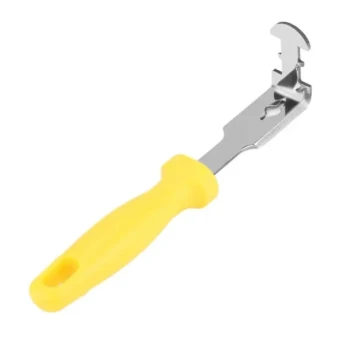
Commercial apiaries should match the treatment to the equipment: use acetic-acid vapor for empty comb and fabric materials, and controlled thermal treatment for sound wooden and metal equipment. Winter is the best time to remove debris, repair components, audit inventory, and complete disinfection before spring colonies are installed. Operators should always follow local regulations, product labels, and disease-specific guidance—especially when equipment came from colonies affected by serious bacterial disease.
The key is material separation: acetic-acid vapor protects wax comb but corrodes metal, while heat is effective for durable wood and metal surfaces but can damage wax, fabric, paint, and hive coatings.
Build a Winter Sterilization Workflow
Start with inspection and segregation
Separate equipment into four groups:
- Empty comb and fabric materials
- Wooden hive bodies, frames, floors, and roofs
- Metal frames, tools, and hardware
- Damaged or disease-contaminated equipment
Do not treat all materials in the same chamber. Acetic acid, flame, washing soda, and simple cleaning each have different applications and risks.
Remove organic residue first
Scrape propolis, wax, dead bees, mold, and other debris from frames, boxes, bottom boards, tools, and supers. Disinfection is less reliable when pathogens are protected by heavy organic material.
Render usable beeswax separately, repair sound boxes and frames, and discard components that are structurally unsafe or cannot be cleaned effectively.
Use a documented batch system
For commercial operations, label each batch with its source colony or apiary, treatment method, date, operator, and release status. Keep treated equipment physically separated from untreated stock until it has been inspected and adequately aired or cooled.
This creates a repeatable process and helps prevent cross-contamination when equipment moves between apiaries or distribution sites.
Treat Comb and Fabric Without Damaging Them
Use acetic-acid vapor for empty comb
Empty wooden frames containing wax comb can be stacked inside brood chambers or another suitable sealed fumigation arrangement. A pad containing the correctly prepared acetic-acid solution is placed within the stack, and the chamber is tightly sealed for the specified treatment period.
The supplied reference describes using 80% industrial-grade acetic acid, or glacial acetic acid diluted four parts acid to one part water, with treatment for at least one week at moderate temperatures. Because concentration, temperature, exposure time, and local regulations affect safety and efficacy, commercial operators should verify the exact procedure with the product label and an apiculture or veterinary authority before adoption.
Protect wax, pollen, and honey stores
Acetic-acid vapor is intended for empty stored comb and suitable fabric materials. It should not be used as a substitute for treating live colonies, and contaminated or questionable honey and pollen should not be returned to bees without disease-specific professional guidance.
Frames must be thoroughly aired before use. Never install strongly acidic-smelling equipment into a colony.
Keep acid away from metal and concrete
Acetic acid can rapidly corrode metal and damage concrete. Perform the process outdoors or in a purpose-built, compatible area on a surface that will not be attacked by the chemical.
Operators need chemical-resistant gloves, eye and face protection, suitable protective clothing, and effective ventilation. Do not mix acetic acid with bleach, ammonia, or other cleaning chemicals.
Heat-Treat Wooden and Metal Equipment
Scorch sound wooden components
A flame torch or blowlamp can be used on wooden hive bodies, frames without comb, bottom boards, roofs, and similar durable components. Move the flame evenly until the surface is visibly scorched, while avoiding deep burning, structural weakening, or ignition.
Pay particular attention to joints, corners, grooves, and areas where propolis or residue has accumulated. Allow the equipment to cool completely and inspect it for cracks, loosened joints, and excessive charring.
Treat metal tools and hardware separately
Metal hive tools, metal frames, and other heat-tolerant components can be cleaned and thermally treated when their coatings, seals, handles, and adjacent materials can withstand the process. Remove wax and propolis first, since residues can ignite and produce smoke.
For hand tools and removable hardware, a strong washing-soda cleaning solution may be used where compatible with the material. Rinse and dry thoroughly afterward to prevent corrosion.
Control fire and worker exposure
Thermal treatment requires a designated fire-safe work area, suitable extinguishing equipment, stable support for components, and trained operators. Avoid treating painted, plastic, insulated, glued, or heat-sensitive parts with a torch unless the manufacturer specifically permits it.
A flame removes or inactivates contamination only where the surface is actually reached. Hidden cavities, deep cracks, and porous damaged wood may require replacement rather than repeated scorching.
Manage Disease Risk, Not Just Surface Cleanliness
Match the method to the suspected disease
Routine winter sanitation can reduce pathogen carryover, but no single treatment eliminates every disease risk. If equipment is associated with a regulated or serious bacterial disease, quarantine it and obtain guidance from the relevant apiary inspector, veterinarian, or agricultural authority before reuse.
Do not rely on ordinary cleaning or acetic-acid vapor when official disease-control procedures require destruction or specialized decontamination.
Handle equipment from dead colonies carefully
Sound equipment from colonies lost to starvation, winter mortality, or non-persistent conditions can often be cleaned, aired, repaired, and reused. Remove all debris and allow components to dry in a well-ventilated location before storage or reinstallation.
Reuse is economically valuable for commercial apiaries, but the decision should be based on the colony history, visible condition, and disease risk—not only on whether the equipment appears usable.
Prevent cross-contamination during handling
Use dedicated tools or clean and disinfect tools between apiaries and disease-risk groups. Avoid placing treated frames on dirty floors, transporting them in unclean vehicles, or returning them to mixed inventory without clear batch identification.
Use Winter Maintenance to Prepare for Spring
Inspect and repair structural equipment
Check boxes, frames, floors, roofs, stands, and fasteners for rot, cracks, loose joints, and water damage. Weatherproof sound wooden equipment and replace components that could fail during colony expansion.
Winter downtime is also suitable for rendering wax, repairing frames, preparing foundation, and checking nucleus boxes and honey supers.
Audit the equipment portfolio
Review expected spring demand and identify shortages of replacement frames, foundation sheets, queen-rearing equipment, nucleus hives, supers, entrance components, and protective accessories.
For distributors and commercial apiaries, early purchasing improves fulfillment reliability and reduces the risk that sanitation work is completed but spring-ready components are unavailable.
Store treated equipment correctly
Store clean, dry equipment in a protected, well-ventilated area. Inspect stored comb for wax moth activity and use an approved control method that is compatible with beeswax and local regulations.
Do not confuse equipment sterilization with colony winterization: wraps, quilt boxes, entrance reducers, and mouse guards protect live colonies but do not disinfect empty equipment.
Understanding the Trade-offs
Acetic-acid vapor is effective but operationally demanding
The method is well suited to delicate wax comb because it avoids the heat that would melt or deform cells. However, it requires chemical handling, sealed treatment space, corrosion control, exposure management, and complete airing before use.
Torching is fast but can damage equipment
Thermal treatment is practical for robust wood and metal and can remove heavy propolis quickly. Excessive heat can weaken wood, ignite residues, damage coatings, warp components, or leave untreated contamination in inaccessible areas.
Reuse reduces cost but requires judgment
Reusing sound equipment lowers replacement costs and supports rapid spring expansion. It is not appropriate when components are structurally compromised, heavily contaminated, or subject to disease-control instructions requiring disposal.
“Sterilization” should not be treated as a guarantee
These procedures are best understood as risk-reduction and disinfection steps, not universal guarantees of sterility. Correct preparation, disease identification, worker safety, and traceable handling are as important as the treatment itself.
How to Apply This to Your Apiary
Use a written winter sanitation SOP and stock compatible equipment, PPE, cleaning materials, heat tools, replacement parts, and clearly identified storage containers.
- If your primary focus is preserving drawn comb: Use controlled acetic-acid vapor on empty comb, keep acid away from metal, and air frames thoroughly before colony use.
- If your primary focus is rapidly preparing wooden hive bodies: Scrape first, then evenly scorch sound wood with a torch while avoiding deep charring and ignition.
- If your primary focus is cleaning metal tools and hardware: Remove residues, use a compatible washing-soda cleaning process or controlled heat, then rinse, dry, and inspect for corrosion.
- If your primary focus is disease control: Segregate suspect equipment and obtain disease-specific regulatory or veterinary guidance before deciding whether to reuse it.
- If your primary focus is spring readiness: Complete sanitation, repairs, inventory audits, and replacement-equipment orders during winter rather than waiting for colony expansion.
A disciplined, material-specific winter workflow gives commercial apiaries cleaner equipment, safer operations, and more reliable spring capacity.
Summary Table:
| Equipment Type | Recommended Treatment | Key Considerations |
|---|---|---|
| Empty comb & fabric | Acetic acid vapor (80% industrial grade) | Protects wax, avoid metal contact, air thoroughly |
| Wooden hive bodies, frames (no comb) | Flame scorching | Avoid deep charring, control fire risk |
| Metal tools & hardware | Cleaning + heat or washing soda | Remove residues first, prevent corrosion |
| Contaminated equipment | Segregate & seek official guidance | Disease-specific protocols may apply |
Streamline your winter apiary maintenance with HONESTBEE's complete range of beekeeping equipment and supplies. Our one-stop sourcing, certified quality, and rapid fulfillment keep your operation efficient and spring-ready. Contact us today to discuss bulk orders, OEM/ODM options, and how we can support your business.
Related Products
- Precision Stainless Steel Frame Cleaner for Hive Grooves and Corners
- Heavy-Duty Ergonomic Stainless Steel Pollen Shovel
- Heavy-Duty Ergonomic Grip Galvanized Pollen Shovel
- European Stainless Steel Bee Smoker for Honey Bee Hive
- Heavy Duty Stainless Steel Frame Cleaner with Plastic Handle
People Also Ask
- What tools are recommended for cleaning hive frames? Top 4 Essential Maintenance Tools for Beekeepers
- What is the function of a professional stainless steel hive tool in IFB? Optimize Your Colony Strength Assessment
- What are the primary functions of a stainless steel hive tool? Essential Equipment for Professional Beekeeping
- What are the primary functions of a stainless steel hive tool? Essential Tips for Efficient Apiary Maintenance
- Which technical challenges in hive maintenance are addressed by using a professional stainless steel hive tool?