To ensure a successful colony establishment, transfer frames from the nuc to the permanent hive between 24 hours and one week after the nuc’s initial placement. The process involves systematically moving frames into the center of the new hive body while strictly maintaining their original order, then filling the remaining space with new frames and supplying food.
Core Takeaway: The success of the transfer hinges on preserving the brood nest structure. You must place the frames into the permanent hive in the exact order and orientation they held in the nucleus box, or you risk disrupting the colony's organization and health.
Preparation and Timing
The Optimal Transfer Window
Wait at least 24 hours after placing the nuc box in its location before transferring, but do not wait longer than one week. This allows the bees to orient themselves to the new location without becoming honey-bound in the small box.
Essential Safety Measures
Before beginning, put on your protective gear. Light your smoker to ensure you have a steady supply of cool smoke.
Calming the Colony
Apply a small amount of smoke to the entrance of the nuc box. Open the nuc and apply smoke gently across the top of the frames to calm the bees before you begin lifting them.
The Transfer Procedure
Preserving Frame Order
Systematically move each frame from the nuc box to the center of the permanent hive body. It is vital that you maintain the exact order and orientation of the frames.
Handling the Frames
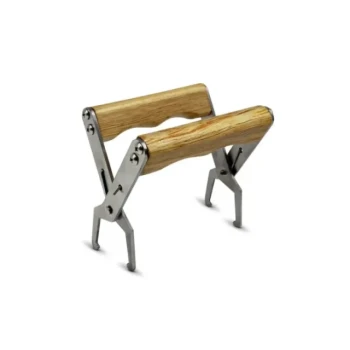
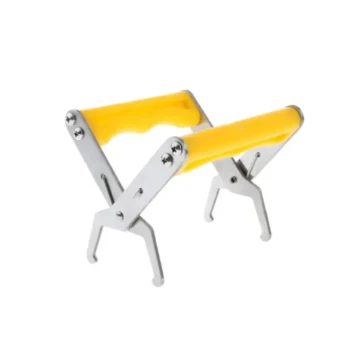
Move frames one at a time using slow, purposeful movements. This caution is necessary to avoid crushing bees or accidentally harming the queen, who is essential for the colony's future.
Accommodating the Brood Nest
The bees have already established a specific brood nest structure in the nuc. By keeping the frames together in the center, you ensure this critical area remains warm and organized.
Finalizing the Hive Setup
Filling the Hive Body
Once the nuc frames are centered, add new frames to both sides of the transferred cluster. Continue adding frames until the hive body reaches its full capacity (typically 8 or 10 frames).
Relocating Remaining Bees
There will likely be bees left inside the empty nuc box. Dislodge them by inverting the nuc box over the permanent hive and tapping it firmly to knock the stragglers into their new home.
Installing the Feeder
Place the inner cover on the hive, followed by an empty hive box to house the feeder. Place a feeder filled with 1:1 sugar syrup on the inner cover to stimulate wax production and comb building.
Closing the Hive
Replace the outer cover to seal the hive. Finally, set the entrance reducer to a smaller opening to help the colony defend against robbers while they establish themselves.
Common Pitfalls to Avoid
Disrupting the Nest Structure
The most common mistake is shuffling the order of the frames. This fragments the brood nest, making it difficult for nurse bees to regulate temperature and care for the larvae.
Rushing the Movement
Moving too quickly increases the risk of "rolling" bees between frames. If the queen is rolled and killed during this process, the colony’s growth will be severely set back or doomed.
Neglecting the Entrance Reducer
Failing to install the entrance reducer leaves the colony vulnerable. A small colony in a large box cannot effectively defend a wide entrance against wasps or robbing bees from other hives.
Making the Right Choice for Your Goal
To ensure the best start for your bees, prioritize your actions based on these goals:
- If your primary focus is Colony Health: Maintain the exact frame order and orientation to preserve the established brood nest structure.
- If your primary focus is Queen Safety: Use slow, purposeful movements when lifting frames to avoid crushing the queen or rolling her against the hive walls.
- If your primary focus is Rapid Comb Building: Ensure you provide a continuous supply of 1:1 sugar syrup immediately after the transfer.
By moving with precision and respecting the colony's established order, you provide the stability they need to expand into a strong, productive hive.
Summary Table:
| Step | Action | Timing / Detail |
|---|---|---|
| Timing | Initial Transfer | 24 hours to 1 week after placement |
| Order | Frame Sequence | Maintain exact original order and orientation |
| Positioning | Hive Placement | Center the nuc frames in the permanent hive body |
| Expansion | Adding Frames | Fill sides with new frames to full capacity |
| Feeding | Supplementation | Provide 1:1 sugar syrup to stimulate wax production |
| Defense | Entrance Setup | Install entrance reducer to prevent robbing |
Scaling Your Apiary Operations? Partner with HONESTBEE
Transitioning from nucs to permanent hives is a critical step in colony growth, and having the right equipment makes all the difference. HONESTBEE specializes in supporting commercial apiaries and distributors with a comprehensive wholesale range of high-quality beekeeping essentials.
From durable hive bodies and specialized hardware to advanced honey-filling machines and hive-making machinery, we provide the tools you need to maximize efficiency and health in your yard. Whether you are expanding your own operation or stocking your distribution business, our premium consumables and honey-themed merchandise offer the value and reliability your brand deserves.
Ready to elevate your beekeeping business?
Contact HONESTBEE Today to discuss our wholesale offerings and how we can support your growth.
Related Products
- 5 Frame Langstroth Poly Nuc Corrugated Plastic Nuc Boxes
- 5 Frame Wooden Nuc Box for Beekeeping
- 4 Frame Plastic Nuc Boxes for Beekeeping Bee Nuc Box
- Automatic Heat Preservation 6 Frame Pro Nuc Box for Honey Bee Queen Mating
- Styrofoam Mini Mating Nuc Box with Frames Feeder Styrofoam Bee Hives 3 Frame Nuc Box
People Also Ask
- How are nuc boxes used in queen rearing? The Essential Tool for Reliable Queen Mating
- What are the options for adding frames to a nuc after taking two frames from the parent colony?
- What are the primary advantages of using standardized Langstroth boxes? Scale Your Commercial Beekeeping Operation
- What are the differences between the three standard depths of Langstroth boxes? Choose the Best Size for Your Apiary
- What role do standardized Langstroth boxes play in commercial apiary management and honey bee research? | HONESTBEE Guide