Freshly mixed pollen substitute paste requires immediate isolation from the air to maintain its quality and utility. To store it effectively, you must wrap or seal the paste using self-seal food bags, cling wrap, or plastic containers with tight-fitting lids.
The effectiveness of pollen substitute paste is directly tied to its moisture content. The primary goal of storage is to create an airtight barrier that prevents drying, ensuring the dough remains soft enough for bees to consume.
The Principles of Preservation
The Enemy is Air
The single biggest threat to fresh pollen substitute is air exposure. Once the paste is mixed, the clock starts ticking; if air reaches the mixture, moisture evaporates rapidly.
Why Consistency Matters
Bees require a specific texture to utilize the substitute. The storage method must preserve a soft consistency. If the paste becomes hard or brittle due to poor storage, the bees will be unable to break it down and ingest it, leading to wasted resources.
Effective Storage Methods
Flexible Sealing Options
For versatile storage, self-seal food bags are highly effective. They allow you to squeeze out excess air before sealing, conforming directly to the shape of the paste. Alternatively, cling wrap can be used to tightly bundle the dough, ensuring no surface area is left exposed.
Rigid Container Options
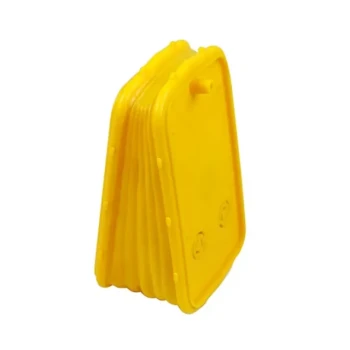
Plastic takeaway containers provide excellent protection for the paste. However, the effectiveness of this method relies entirely on the seal; you must use containers with tight-fitting lids to ensure an airtight environment.
Common Pitfalls to Avoid
The Risk of Loose Seals
The most critical error in storage is assuming a container is sealed when it is merely covered. If a lid does not fit tightly, or if cling wrap is applied loosely, air will penetrate the gaps. This leads to the formation of a hard "crust" or completely dried-out dough that bees cannot consume.
Making the Right Choice for Your Goal
To ensure your bees get the full nutritional benefit of your pollen substitute, choose the storage method that best fits your workflow:
- If your primary focus is portion control: Use self-seal food bags or cling wrap to create individual patties that are protected from air until the moment they are placed in the hive.
- If your primary focus is bulk protection: Use plastic containers with tight-fitting lids to keep larger batches soft and moist.
Success depends on minimizing the time the paste is exposed to the open air.
Summary Table:
| Storage Method | Best Used For | Key Advantage |
|---|---|---|
| Self-Seal Bags | Individual portion control | Easy to squeeze out air and maintain moisture |
| Cling Wrap | Tight bundling of patties | Maximum surface protection with zero air gaps |
| Plastic Containers | Bulk batch storage | Rigid protection; requires a guaranteed airtight seal |
| Tight-Fitting Lids | Long-term moisture retention | Prevents the formation of hard, inedible crusts |
Maximize Your Apiary’s Productivity with HONESTBEE
At HONESTBEE, we understand that high-quality nutrition is the backbone of a thriving apiary. Whether you are a commercial beekeeper managing thousands of colonies or a distributor sourcing the best for your clients, we provide the professional-grade tools you need to succeed.
From advanced honey-filling and hive-making machinery to a comprehensive range of beekeeping tools and industry consumables, our wholesale solutions are designed to optimize your operations. Don't let your investment in nutrition go to waste—pair your expertise with our premium equipment.
Ready to scale your beekeeping business? Contact us today to explore our full product portfolio and discover how HONESTBEE can deliver value to your commercial apiary or distribution network.
Related Products
- Heavy-Duty Ergonomic Grip Galvanized Pollen Shovel
- Professional Dual Action Queen Excluder Scraper for Beekeeping
- Solar Beeswax Melter Easy Solar Wax Melter for Beeswax
- Honey Bee Lifecycle Model: A Detailed Honeycomb Display of Bee Development
- Premium Traditional Copper Bee Smoker with Bellows
People Also Ask
- For what reasons do beekeepers collect bee pollen? Boost Hive Health and Unlock New Revenue Streams
- Why should commercial apiaries focus on the collection of diversified bee products? Maximize Your Hive’s Profit Potential
- How do bee pollen collection tools affect the quality of bee pollen used in functional dairy ice cream production?
- How does a specialized pollen collector facilitate the harvesting of diverse bee products? Automate High-Value Yields
- What is the impact of pollen collectors and associated equipment on the cost structure of pollen production? Maximize ROI