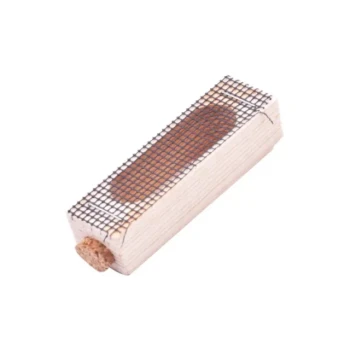
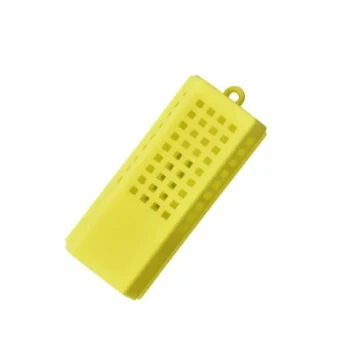
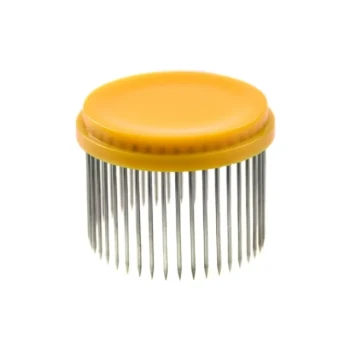
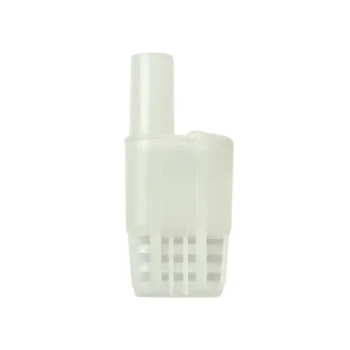
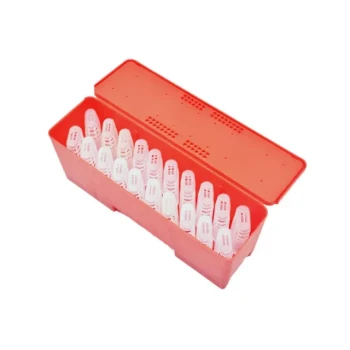
To properly prepare queen cages for a banking colony, you must physically modify the release mechanism to guarantee confinement. Specifically, place a piece of heavy-duty tape securely over the candy tube or cork of each cage, ensuring the host bees cannot chew through the barrier to release the queen.
The success of a banking colony relies on keeping queens safely confined while ensuring they are well-fed. Your primary objective during preparation is to permanently block the exit while maintaining open communication through the wire mesh for nurse bees.
Securing the Release Mechanism
Preventing Accidental Release
Standard queen cages are often designed for slow release via a candy plug. However, in a banking scenario, release is not the goal.
You must create an impenetrable barrier over the exit. If the banking colony eats through the candy or chews out a cork, the released queens will fight, leading to significant losses.
applying the Barrier
Do not rely on the candy alone. Apply a strip of heavy-duty tape directly over the candy tube or the cork end of the cage.
Ensure the tape adheres firmly to the wood or plastic. This simple physical modification is the primary defense against the host colony freeing the queens.
Arrangement and Placement Strategy
Grouping for Stability
If you are banking a small number of queens and do not have a specialized banking frame, you must secure the cages together.
Use a rubber band to assemble groups of wooden cages. This keeps them organized and prevents them from falling to the bottom board when placed in the hive.
Creating Space in the Hive
To accommodate these groups of cages, remove two standard frames from your banking colony.
This creates a sufficient gap to suspend the bundled cages or insert a specialized holding frame without crushing bees or damaging comb.
Prioritizing Nurse Bee Access
While the exit must be taped, the wire mesh face of the cage must remain completely unobstructed.
Nurse bees from the banking colony require direct access to this mesh to feed and groom the confined queens. If the mesh is blocked by tape or pressed tightly against a solid surface, the queen will perish.
Thermal Regulation
Position the cages toward the center of the colony.
Avoid placing cages too close to the lid or the outer walls. The top of the hive can accumulate excessive heat, which can dehydrate and kill banked queens rapidly.
Common Pitfalls to Avoid
Over-taping the Cage
A common error is being too aggressive with tape application.
Never allow tape to encroach onto the screen mesh. Even a small reduction in surface area can restrict the queens' ability to receive food from nurse bees.
Insecure Positioning
Simply resting cages on top of frames is risky.
Cages must be suspended securely within the brood nest gap. If cages fall or shift, they may become isolated from nurse bees or subjected to temperature extremes.
Making the Right Choice for Your Goal
To ensure your banking colony is successful, follow these guidelines based on your specific equipment and needs:
- If your primary focus is preventing queen loss: Apply heavy-duty tape over every candy tube or cork to eliminate any possibility of accidental release.
- If your primary focus is handling volume: Utilize a specialized "banking frame" designed to hold large numbers of cages securely in the correct position.
- If your primary focus is a quick, small-scale setup: Remove two standard frames and rubber-band wooden cages together to suspend them in the gap.
Success in banking queens comes down to a balance of absolute confinement and maximum accessibility for nurse bees.
Summary Table:
| Preparation Step | Action Required | Importance |
|---|---|---|
| Exit Security | Apply heavy-duty tape over candy/cork | Prevents accidental release and queen fighting |
| Mesh Accessibility | Keep wire screen completely unobstructed | Ensures nurse bees can feed and groom the queen |
| Grouping | Secure cages with rubber bands or banking frames | Prevents cages from falling and keeps them organized |
| Hive Placement | Center of colony; remove 2 standard frames | Maintains thermal regulation and provides needed space |
Maximize Your Apiary Efficiency with HONESTBEE
Successful queen banking starts with the right equipment and expert knowledge. At HONESTBEE, we support commercial apiaries and distributors by providing a comprehensive range of professional beekeeping tools, from specialized banking frames and queen cages to advanced honey-filling machinery.
Whether you are scaling your queen production or stocking high-quality consumables for your distribution network, our wholesale solutions are designed to enhance your operational success.
Ready to elevate your beekeeping business? Contact our expert team today to discuss our full spectrum of hardware and industry supplies tailored to your professional needs.
Related Products
- Durable Galvanized Steel Spring Queen Bee Cage
- Professional Queen Cage with Sliding Gate and Feeder Plug
- Classic Wooden and Mesh California Queen Cage
- Professional Queen Bee Introduction and Transport Cage
- Professional Multi-Functional Queen Bee Cage
People Also Ask
- Why are specialized queen bee cages used for the banking of mated queen bees? Maximize Commercial Apiary Storage Efficiency
- What is the mechanism of action for using temporary queen bee cages? Master Successful Queen Introduction
- What is the step-by-step process for installing a queen bee's cage onto a frame? Ensure Hive Acceptance Safely
- What is the optimal placement for a queen bee cage? Essential Strategies for Successful Re-queening
- What are the advantages and disadvantages of introducing a queen bee by embedding the cage? Boost Your Queen Acceptance