Reusable beekeeping gloves generally require a gentle, manual cleaning process to maintain their integrity and flexibility. To care for them properly, you should wash them by hand using warm water and a mild soap, rinse them thoroughly to remove all detergent residue, and allow them to air dry completely—away from direct heat—before storing them flat.
Core Takeaway: The longevity of your gloves depends largely on how you handle the drying process. While washing removes contaminants, exposing wet leather to high heat or direct sunlight will cause the material to become brittle, crack, and eventually fail.
The Cleaning Process
Manual Washing is Mandatory
You must avoid washing machines. The mechanical agitation is often too harsh for specialized beekeeping gear, particularly leather. Instead, fill a bucket with warm or lukewarm water and add a mild laundry detergent, dish soap, or specialized leather cleaner.
The "Wear and Wash" Technique
A highly effective method for cleaning heavy-duty leather gloves is to wear them while you wash. This provides natural resistance and allows you to access stained areas more easily.
Targeting Debris and Creases
Before wetting the gloves, use a soft brush to remove loose debris. Once submerged, use a soft-bristled brush, toothbrush, or soapy cloth to gently scrub creases and seams. This is essential for removing stubborn propolis or wax buildup without damaging the material surface.
Rinsing and Drying Safely
The Importance of a Thorough Rinse
After scrubbing, you must rinse the gloves under running cold water until the water runs clear. Leaving soap residue in the material is a primary cause of leather drying out and cracking over time.
Removing Excess Moisture
Do not wring the gloves out aggressively. Instead, pat them with a towel to absorb excess water.
Controlled Air Drying
Lay the gloves flat to dry at room temperature or hang them in the shade. Never use a clothes dryer or expose the gloves to direct sunlight. High-heat sources will deteriorate animal skin rapidly.
Maintaining Shape
To help the gloves retain their form and improve internal airflow during the drying process, you can stuff them with newspaper. This absorbs internal moisture while preventing the leather from shrinking or stiffening in an awkward shape.
Common Pitfalls to Avoid
Aggressive Scrubbing
While removing propolis is important, you must work the material gently. Aggressive scrubbing can degrade the surface of the leather, reducing its protective qualities.
Improper Storage
Once the gloves are dry, they should be stored flat. Balling them up or storing them while damp can lead to permanent creases or mold growth.
How to Apply This to Your Maintenance Routine
- If your primary focus is longevity: Prioritize the "stuff with newspaper" technique and ensure the gloves dry slowly in the shade to keep the leather supple.
- If your primary focus is hygiene: Ensure you use a soft toothbrush on the seams and creases where propolis hides, but always follow up with an exhaustive cold-water rinse.
Treat your protective gear with the same care you treat your colony, and it will serve you for many seasons.
Summary Table:
| Care Step | Recommended Method | Why It Matters |
|---|---|---|
| Washing | Manual hand wash while wearing | Protects material integrity and reaches creases |
| Detergent | Mild soap or leather cleaner | Prevents chemical degradation of the leather |
| Rinsing | Thorough cold water rinse | Soap residue causes leather to become brittle |
| Drying | Air dry with newspaper stuffing | Prevents shrinkage and mold without heat damage |
| Storage | Store flat in a cool, dry place | Maintains shape and prevents permanent creasing |
Maximize Your Apiary Efficiency with HONESTBEE
High-quality protection is the foundation of a successful beekeeping operation. At HONESTBEE, we specialize in supporting commercial apiaries and distributors with a comprehensive wholesale range of beekeeping tools, machinery, and essential consumables.
Whether you need durable protective gear or advanced hive-making and honey-filling machinery, our portfolio is designed to enhance your productivity and honey production. Partner with a supplier that understands the scale of your business.
Ready to upgrade your equipment? Contact us today to discuss our wholesale offerings and how we can support your growth.
Related Products
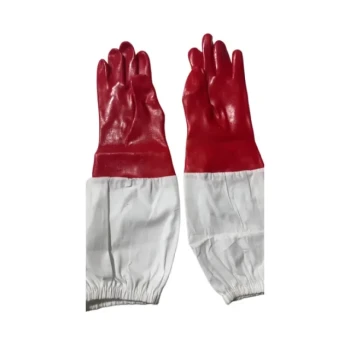
- Heavy Duty Red Rubber Beekeeping Gloves with Extended Pure Cotton Sleeves for Beekeepers
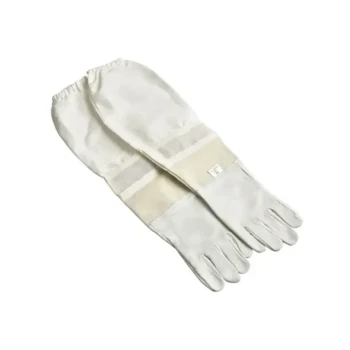
- Goatskin Leather Beekeeper Gloves with Vent Long Sleeve for Beekeeping Honey Bee Sting Proof Protection
- Beekeeping Gloves Goatskin Leather with Long Cotton Sleeve for Beekeepers
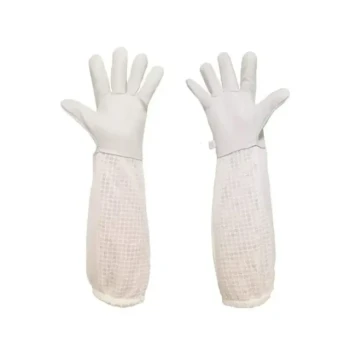
- Premium Ventilated Goatskin Beekeeping Gloves with Full 3-Layer Mesh Sleeve
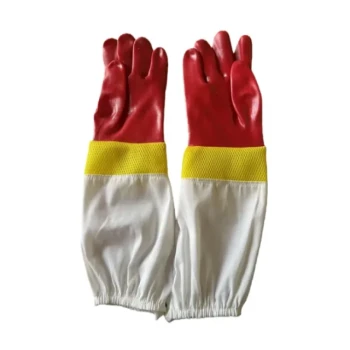
- Heavy Duty Red Rubber Beekeeping Gloves with Vented Mesh Cotton Sleeves
People Also Ask
- When might a beekeeper decide to work without gloves? Master Hive Finesse and Dexterity
- Why is cleaning beekeeping gloves necessary? Vital Steps for Apiary Biosecurity and Hive Management
- What factors should be considered when selecting beekeeping gloves? Balance Protection and Dexterity
- What are the benefits of properly cleaning and storing beekeeping gloves? Protect Your Bees, Safety & Investment
- Why is personal preference important when choosing beekeeping gloves? Find Your Perfect Fit for Protection & Dexterity