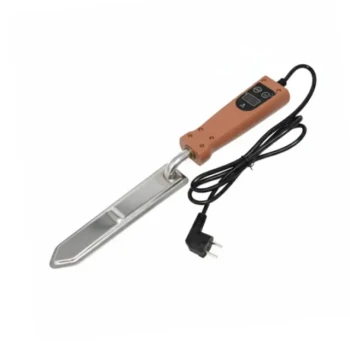
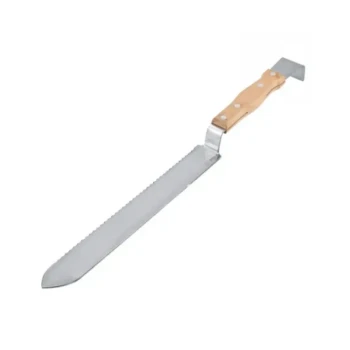
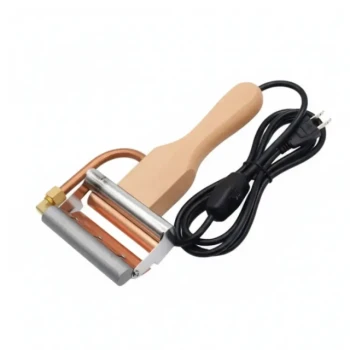
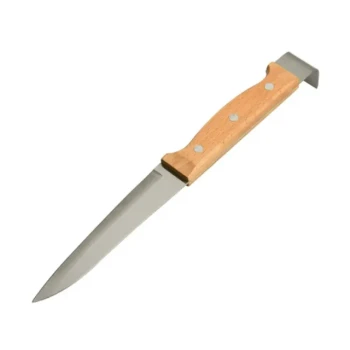
Metal cutting tools serve a peripheral, preparatory role during the exploration phase. In the context of finding and documenting stingless bee nests, these tools are primarily utilized to clear vegetation obstacles that block the path to the hive or to clean the immediate area around nests found on tree trunks or rock crevices. Their function is restricted to facilitating safe access and ensuring clear visibility, rather than interacting with the nest structure itself.
Core Takeaway Field exploration requires non-invasive precision; therefore, metal tools are strictly employed for site preparation rather than extraction. Their main purpose is removing environmental obstructions to guarantee safe access for researchers and to enable high-quality photographic documentation of the nest entrance.
The Objectives of Vegetation Management
Securing Safe Access
Explorers frequently encounter dense undergrowth when tracking stingless bees in the wild. Metal cutting tools, such as machetes or shears, are essential for clearing a navigable path.
This ensures the researcher can reach the sampling site safely without injury or unnecessary struggle. It also minimizes noise and large-scale disturbance as the researcher approaches the target area.
Optimizing for Documentation
A critical component of modern field exploration is visual recording. Foliage, vines, or moss often obscure the nest entrance, making analysis difficult.
Tools are used to carefully trim away these obstructions to create a clear "field of vision." This allows for high-resolution photography of the entrance tube, which is vital for species identification.
Specific Site Scenarios
Nests on Tree Trunks
When nests are attached to the exterior of trees, parasitic plants or epiphytes can hide architectural details.
Explorers use tools to perform careful cleaning around the periphery of the nest. This reveals the entrance structure without damaging the tree bark or the nest foundation.
Nests in Rock Crevices
Similar to tree nests, rock crevices are often overgrown with creeping plants or thick moss.
Clearing this vegetation is necessary to determine the exact dimensions of the crevice. It ensures the location is logged accurately for future research or monitoring.
Operational Restraint and Safety
Avoiding Structural Damage
The primary risk when using metal tools is accidental contact with the nest itself. Metal tools are generally heavy and sharp; a single slip could sever the delicate entrance tube or breach the hive wall.
Precision is paramount. The tool should never be used to pry or dig into the nest during the exploration stage.
Minimizing Colony Disturbance
Excessive vibration from chopping or cutting near the nest can trigger a defensive response from the bees.
The goal is to clear obstacles to observe natural behavior, not to agitate the colony. If the bees retreat into the hive or swarm defensively, the opportunity for accurate observation is lost.
Best Practices for Tool Usage
To maintain the integrity of the study site, use these tools with specific intent and caution.
- If your primary focus is navigation: Use larger tools to clear a footpath well before reaching the immediate vicinity of the nest to minimize vibration transmission.
- If your primary focus is documentation: Switch to smaller precision tools to gently remove only the specific vegetation obscuring the camera lens's view of the entrance.
By limiting metal tool usage strictly to access and visibility, you ensure the biological data remains uncompromised and the colony remains stress-free.
Summary Table:
| Stage of Exploration | Tool Type | Primary Function | Objective |
|---|---|---|---|
| Path Navigation | Machetes / Large Shears | Clearing dense undergrowth | Ensuring safe access & injury prevention |
| Site Documentation | Precision Trimmers | Removing foliage/vines | Optimizing entrance visibility for photography |
| Site Maintenance | Hand Tools | Cleaning tree/rock periphery | Accurate species identification and logging |
| Nest Interaction | None (Avoidance) | N/A | Preventing structural damage & colony stress |
Scale Your Beekeeping Operations with HONESTBEE
For commercial apiaries and beekeeping distributors, having the right equipment is the difference between a thriving colony and a missed opportunity. HONESTBEE provides a comprehensive wholesale catalog designed to meet the rigorous demands of professional beekeeping.
Whether you need specialized hive-making machinery, high-efficiency honey-filling machines, or a steady supply of essential industry consumables, we deliver the tools that drive success. Our portfolio also includes unique honey-themed cultural merchandise to help your brand stand out in the marketplace.
Ready to elevate your beekeeping business? Contact HONESTBEE today to discuss our wholesale offerings and discover how our expertise can support your growth.
References
- Niken Pujirahayu, Basruddin Basruddin. KARAKTERISTIK SARANG DAN TUMBUHAN SUMBER GETAH PROPOLIS LEBAH TAK BERSENGAT (Stingless Bee) DARI BUTON UTARA. DOI: 10.30598/makila.v16i1.5574
This article is also based on technical information from HonestBee Knowledge Base .
Related Products
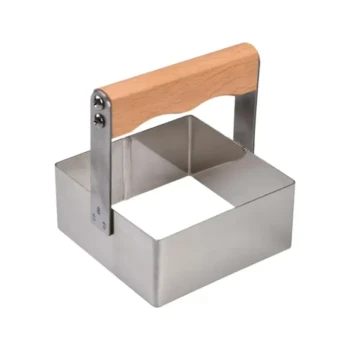
- Heavy Duty Stainless Steel Honeycomb Cutter
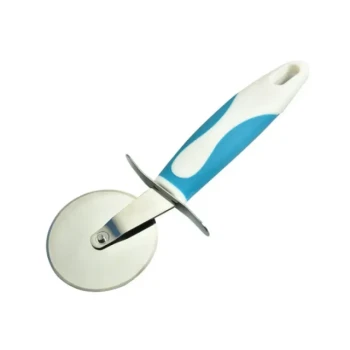
- Professional Rolling Wax Cutter with Ergonomic Handle
- HONESTBEE Professional Long Handled Hive Tool with Precision Cutting Blade
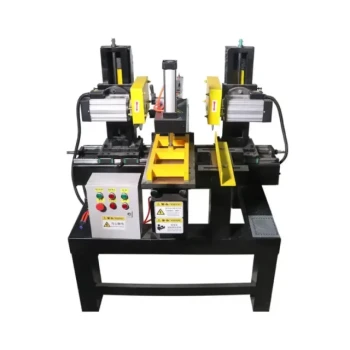
- Beehive Handle and Frame Rest Cutting Machine: Your Specialized Hive Machine
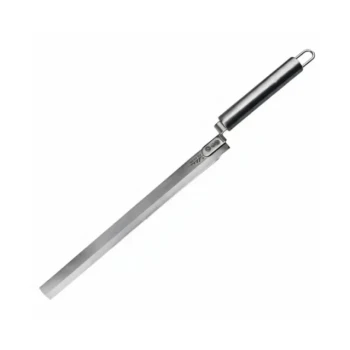
- Professional All-Stainless Steel Uncapping Knife for Beekeeping
People Also Ask
- How is a comb cutter used to produce cut comb honey? Master the Art of Precision Harvesting
- Why is the comb-cutting technique preferred for Apis cerana queen rearing? Boost Success with Natural Bee Biology
- What is the cut comb honey method? A Guide to Pure, Artisanal Honey Production
- How is the cut comb method used to harvest honey? Master the Art of Premium Unprocessed Honey Production
- What is cut comb honey, and how is it prepared? Experience Honey in Its Purest Form