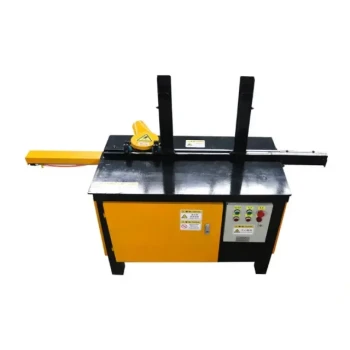
Commercial-scale beekeeping operations significantly amplify the spread of Chronic Bee Paralysis Virus (CBPV) through the interplay of shared machinery, high-density hive management, and frequent transportation. The professional hardware required for efficiency acts as a mechanical vector, while the operational structure of commercial apiaries facilitates rapid horizontal transmission between colonies.
The efficiency of commercial beekeeping often comes at the cost of biosecurity, as shared equipment and high hive densities create ideal pathways for CBPV transmission. Preventing localized outbreaks requires treating every piece of machinery as a potential vector and managing the stress load placed on colonies by auxiliary devices.
Mechanisms of Viral Transmission in Commercial Operations
The Vector of Professional Machinery
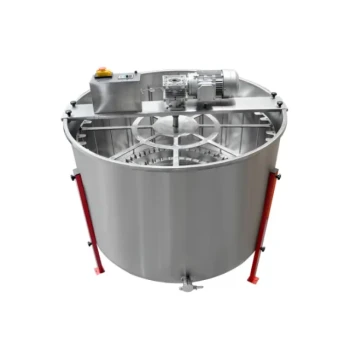
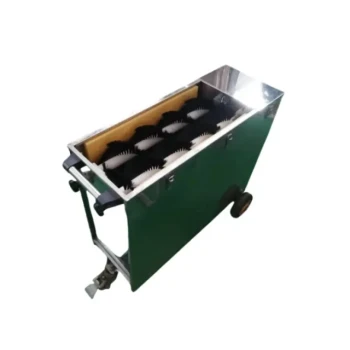
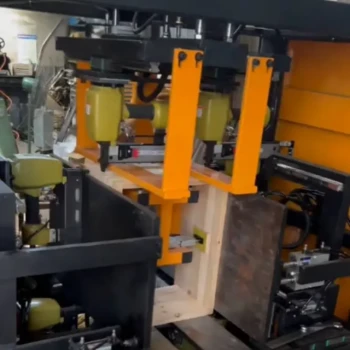
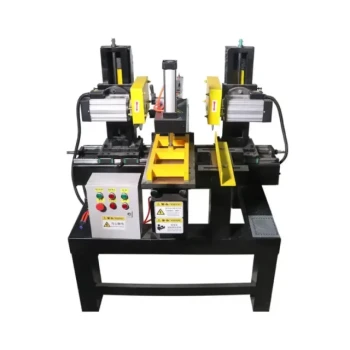
Large-scale operations rely on professional hardware to manage hundreds or thousands of hives. This machinery, used sequentially across multiple colonies, becomes a primary vehicle for disease transfer.
Without rigorous disinfection, the equipment physically moves viral particles from an infected hive to a healthy one. This mechanical transfer turns essential tools into active vectors for the virus.
Horizontal Transmission via Density
Commercial apiaries typically maintain much higher bee densities than smaller operations. This proximity drastically increases the potential for horizontal transmission (bee-to-bee contact).
When hives are packed closely together, drifting bees and shared foraging resources facilitate the rapid movement of the virus through the population.
The Risk of Cross-Apiary Movement
The business model of commercial beekeeping often necessitates the frequent relocation of hives. This mobility introduces the virus to new geographic locations and naive populations.
By sharing equipment and moving hives across multiple apiaries, operators inadvertently create "clustered spread," where the virus takes hold in distinct, localized pockets across a wide region.
The Role of Auxiliary Equipment and Stress
Equipment-Induced Stress
Beyond acting as simple carriers, certain auxiliary hardware can physically weaken the colony's resistance. Devices such as pollen traps impose physical constraints on the bees.
This equipment alters hive dynamics, inducing stress within the colony. This physiological stress is a critical factor in viral pathology.
Triggering Clinical Symptoms
The presence of CBPV does not always result in immediate colony collapse; it can remain latent. However, the stress caused by the installation and operation of auxiliary equipment can act as a trigger.
Stress creates a biological environment that allows the virus to flare up, leading to the onset of clinical symptoms or the recurrence of the disease in previously asymptomatic hives.
Understanding the Trade-offs
Efficiency vs. Biosecurity Risks
There is an inherent conflict between the need for operational efficiency and disease control. Using shared machinery is necessary for speed and scale, but it creates a single point of failure for biosecurity.
Operators must balance the time saved by using shared tools against the time lost to sanitizing that equipment between hives.
Yield Optimization vs. Colony Health
Tools designed to increase yield, such as pollen traps, offer immediate economic benefits. However, they carry the hidden cost of compromising colony immunity.
The increased production provided by these tools must be weighed against the potential for triggering viral outbreaks due to mechanical stress.
Making the Right Choice for Your Apiary
To manage the risks associated with commercial hardware and CBPV, you must adopt a strategy that prioritizes biosecurity without halting operations.
- If your primary focus is preventing spread: Implement rigorous disinfection protocols for all machinery and tools immediately after they are used on a hive, before moving to the next.
- If your primary focus is colony stability: Monitor hive health closely when using auxiliary equipment like pollen traps, and remove them immediately if signs of stress or viral symptoms appear.
- If your primary focus is logistics: Minimize the sharing of equipment between different apiary sites to prevent cross-contamination and localized clustered spread.
Effective commercial beekeeping requires viewing your hardware not just as tools of production, but as critical control points for colony health.
Summary Table:
| Transmission Driver | Impact on CBPV Spread | Mitigation Strategy |
|---|---|---|
| Professional Machinery | Acts as a mechanical vector moving viral particles between hives. | Rigorous disinfection protocols between colony uses. |
| High Hive Density | Facilitates horizontal transmission via drifting and shared resources. | Increasing spacing and managing foraging site pressure. |
| Apiary Relocation | Introduces the virus to naive populations in new geographic areas. | Limiting equipment sharing across different apiary sites. |
| Auxiliary Equipment | Induces physiological stress, triggering latent viral symptoms. | Monitoring stress levels when using tools like pollen traps. |
Secure Your Apiary’s Future with HONESTBEE
Commercial beekeeping demands a delicate balance between high-yield efficiency and uncompromising biosecurity. At HONESTBEE, we understand the unique challenges faced by commercial apiaries and distributors. We provide a comprehensive wholesale range of professional beekeeping tools, machinery, and equipment—from specialized hive-making and honey-filling machines to essential industry consumables.
Our products are designed to meet the rigorous demands of professional operations while supporting the health of your colonies. Whether you are scaling your honey production or supplying the next generation of beekeepers, our hardware and honey-themed cultural merchandise offer the quality and reliability you need to succeed.
Ready to upgrade your operation with professional-grade hardware?
Contact us today to explore our wholesale solutions and expert support!
References
- Giles E. Budge, Steve Rushton. Chronic bee paralysis as a serious emerging threat to honey bees. DOI: 10.1038/s41467-020-15919-0
This article is also based on technical information from HonestBee Knowledge Base .
Related Products
- 40 Frame Commercial Electric Honey Extractor for Beekeeping
- Professional Wide Blade Honey Scraper for Beekeeping and Honey Processing
- Stainless Steel J Hook Hive Tool for Beekeeping
- Commercial Grade Vertical Electric Bee Sweeper for Bee Removal
- Professional Bee Smoker with Elongated Spout and Durable Bellows for Beekeeping
People Also Ask
- Who are commercial honey extractors designed for? Scaling Your Industrial Beekeeping Success
- How is honey extracted commercially? Maximize Your Apiary's Efficiency and Honey Yield
- What are commercial honey extractors used for? Boost Your Apiary's Efficiency & Profitability
- What is a commercial honey extractor? The Essential High-Volume Solution for Large Apiaries
- What defines a commercial honey extractor? High-Efficiency Industrial Solutions for Large-Scale Beekeeping Operations