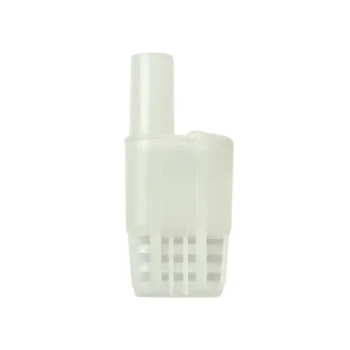
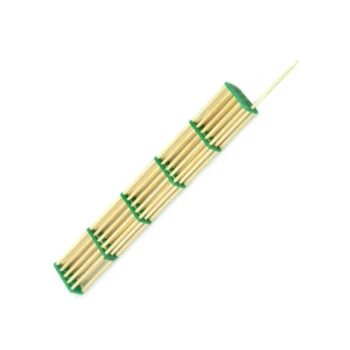
No, a queen bee is not safe immediately after being released. While the colony may have ceased attacking the introduction cage, the queen remains highly vulnerable to renewed aggression until she actively begins laying eggs. Workers generally view a non-laying queen with suspicion, making the days immediately following her release a critical "danger zone."
Core Takeaway Release from the cage does not signal full acceptance; acceptance is confirmed only when the queen establishes her role by producing eggs. Premature disturbance triggers stress that frequently causes the colony to "ball" (attack and kill) the new queen, meaning patience is the single most important factor in her survival.
Why Release Does Not Equal Acceptance
The "Suspicion" Phase
Even after the queen exits the cage, the colony does not immediately recognize her as their established matriarch.
Until she begins the biological process of laying eggs, the workers remain suspicious of her presence. The transition from "intruder" to "ruler" is not instantaneous upon release; it is a gradual biological shift.
The Significance of Laying Eggs
A queen is only truly safe once she begins her primary job: reproduction.
The act of laying eggs alters the queen's pheromone signature. This chemical change signals to the colony that she is productive and vital to their survival, which suppresses the workers' aggressive instincts.
The Critical Rule of Non-Disturbance
The Waiting Period
To ensure the queen survives the transition from caged to laying, you must leave the hive completely undisturbed.
Experienced beekeepers advise waiting a minimum of one full week (7 days) after introduction before opening the hive. Some protocols recommend extending this to 10 days to ensure the queen has fully acclimatized and settled into her role.
The Cost of Early Inspection
The most common cause of queen rejection is beekeeper impatience.
Opening the hive too early causes stress and disrupts the colony's internal environment. This stress often triggers a defensive reaction where the workers turn on the newly released queen and kill her, a behavior known as balling.
Understanding the Trade-offs
Delayed Production vs. Queen Safety
There is a natural tension between wanting to verify the queen is alive and ensuring she stays that way.
Leaving a queen caged too long delays brood rearing and honey production, slowing colony growth. However, releasing her and immediately inspecting the hive risks losing the queen entirely, which sets the colony back weeks rather than days.
Manual Release Risks
If you check the cage after 3 to 5 days and the queen has not been released by the bees, you may need to release her manually.
While necessary, this intervention is high-risk. Once you manually release her, you must close the hive immediately and restart the one-week non-disturbance clock to allow her to integrate without further stress.
Ensuring a Successful Introduction
If your primary focus is High Success Rate:
- Do not inspect the brood nest for at least 7 to 10 days after the queen cage is installed.
If your primary focus is Timeline Verification:
- Check the release status of the cage (without pulling frames) at day 3 to 5; if she is out, close the hive immediately and wait.
If your primary focus is Colony Growth:
- Prioritize the queen's survival over speed; a rejected queen results in a far longer delay in population growth than a few extra days of acclimatization.
The hardest part of queen introduction is not the technical work, but the discipline to walk away and let the bees establish their own order.
Summary Table:
| Stage | Status | Risks | Action Required |
|---|---|---|---|
| In Cage | Introduction | Rejection, delayed laying | Monitor cage from outside |
| Day 1-3 | Immediate Release | Suspicion, "Balling" | Do Not Open Hive |
| Day 4-7 | Acclimatization | Stress-induced aggression | Minimal disturbance |
| Day 7-10+ | Egg Laying | Low risk, full acceptance | First thorough inspection |
Secure Your Apiary’s Success with HONESTBEE
Successful queen introduction is just the beginning of a thriving colony. At HONESTBEE, we specialize in supporting commercial apiaries and distributors with the professional-grade tools needed to scale production. From high-precision honey-filling machines to durable hive-making hardware and essential industry consumables, our comprehensive wholesale catalog is designed to maximize your efficiency.
Don’t let equipment limitations slow your growth. Partner with a supplier that understands the complexities of large-scale beekeeping.
Contact HONESTBEE Today for Wholesale Solutions
Related Products
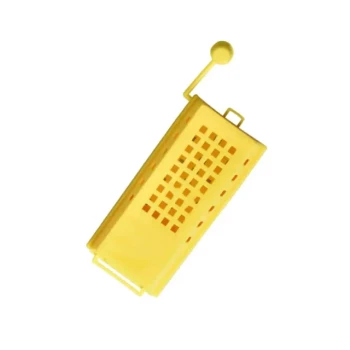
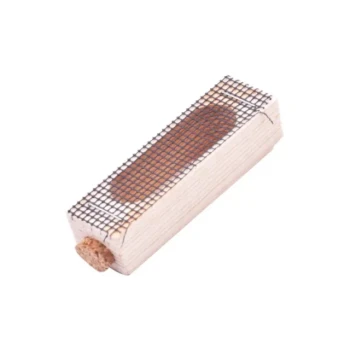
- Durable Galvanized Steel Spring Queen Bee Cage
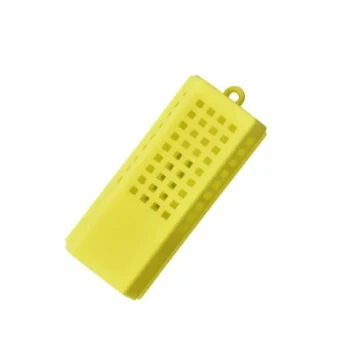
- Professional Queen Bee Introduction and Transport Cage
- Professional Queen Cage with Sliding Gate and Feeder Plug
- Professional Multi-Functional Queen Bee Cage
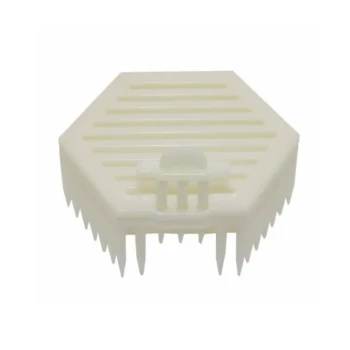
- Hexagonal Direct Comb Introduction Queen Bee Cage
People Also Ask
- Why are specialized queen bee cages used for the banking of mated queen bees? Maximize Commercial Apiary Storage Efficiency
- What is the mechanism of action for using temporary queen bee cages? Master Successful Queen Introduction
- What is the step-by-step process for installing a queen bee's cage onto a frame? Ensure Hive Acceptance Safely
- What is the optimal placement for a queen bee cage? Essential Strategies for Successful Re-queening
- What are the advantages and disadvantages of introducing a queen bee by embedding the cage? Boost Your Queen Acceptance