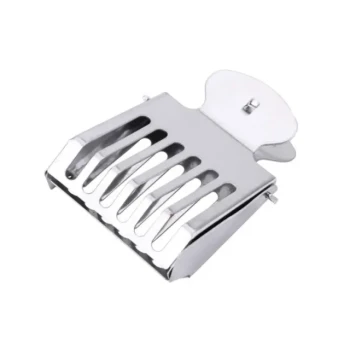
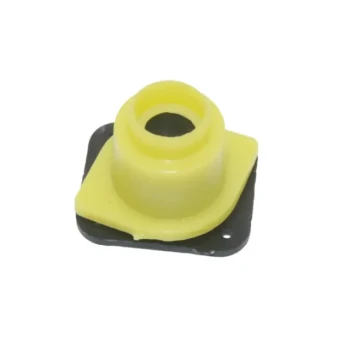
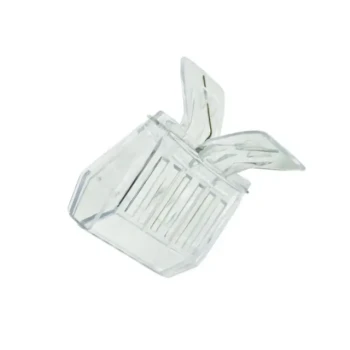
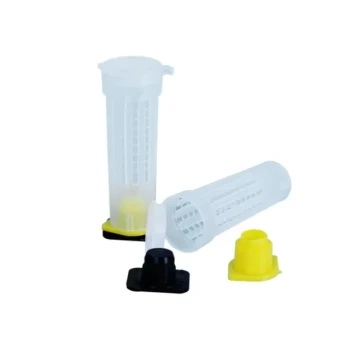
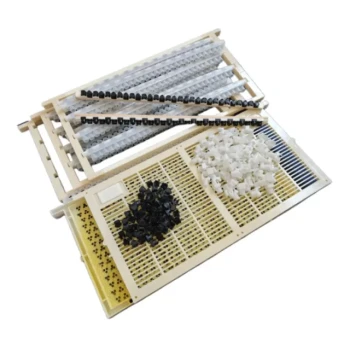
Queen candy acts as a biological timing mechanism. It serves as a dense, edible barrier blocking the exit of the queen’s transport cage, forcing the colony’s worker bees to chew through it to reach her. This physical consumption process creates a mandatory delay, preventing direct contact between the hive and the new queen until the barrier is fully removed.
Core Takeaway By imposing a 2-to-3-day delay before release, queen candy allows the new queen's pheromones to permeate the hive gradually. This passive habituation serves as an olfactory handshake, ensuring the colony accepts her physiological signals as their own rather than attacking her as an intruder.
The Mechanism of Action
The "Slow-Release" Barrier
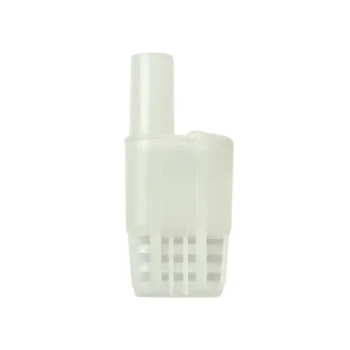
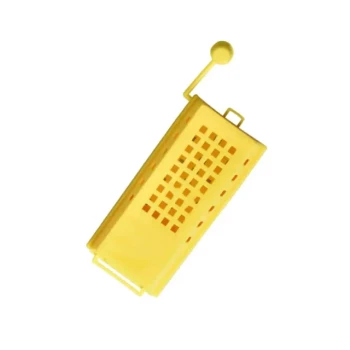
The candy plug acts as a temporary lock on the queen cage. It is a firm sugar paste or fondant situated directly in the release path.
Because the candy physically blocks the exit, the queen cannot leave, and the colony cannot enter immediately. This isolation is the primary safety feature of the introduction cage.
Collaborative Consumption
The release process utilizes the natural biological behavior of the bees. Worker bees outside the cage are attracted to the sugar and begin licking and consuming the candy.
Simultaneously, the queen and any attendant bees inside the cage may consume the candy from the inside. Over a period of days, this eating process creates a tunnel, eventually clearing an automatic release path for the queen.
Dual-Purpose Functionality
While its primary role in introduction is a timing mechanism, the candy also serves a critical logistical function.
It provides essential hydration and carbohydrate energy for the queen and her attendants during transport. This ensures the queen remains viable and energetic even before the introduction process begins.
The Biological Necessity of Delay
Pheromone Integration
The success of queen introduction relies on "physiological signals," specifically pheromones. A new queen smells foreign to an established colony.
The time-delay mechanism—typically lasting two to three days—allows the queen's pheromones to disperse throughout the hive. This gradual exposure rewrites the colony's chemical signature to include the new queen.
Preventing Aggression
If a queen is released immediately, the colony will likely view her as an invader. This triggers a defensive reaction where workers attack or "ball" the queen, often killing her.
By the time the workers chew through the candy, they have become habituated to her scent. The aggression response is suppressed, significantly increasing the success rate of acceptance.
Common Pitfalls and Limitations
The Risk of Premature Release
The consistency of the candy is vital. If the candy is too soft or the plug is too small, bees may consume it too quickly (in less than 24 hours).
If the release path opens before the pheromones have permeated the hive, the colony may still reject and kill the queen. The mechanism relies on the delay being long enough for biological acceptance.
Verification Latency
While the candy facilitates release, it does not confirm acceptance immediately. You cannot assume success simply because the candy is gone.
Verification requires patience; you must wait 10 to 14 days to inspect the hive. Only the presence of new eggs and young white larvae confirms that the mechanism worked and the queen is laying.
Ensuring a Successful Introduction
To maximize the effectiveness of the queen candy method, you must align your actions with the biological timeline of the hive.
- If your primary focus is safety: Allow the full 2-to-3-day process to run its course naturally; do not assist the bees in removing the candy prematurely.
- If your primary focus is verification: Wait at least 10 days before disturbing the hive to check for eggs, as early inspection can trigger the colony to ball the newly released queen.
- If your primary focus is transport viability: Ensure the candy remains moist and accessible so it can serve its secondary function as a food source during transit.
The candy is not just a barrier; it is a negotiation tool that buys the necessary time for the colony to choose acceptance over aggression.
Summary Table:
| Feature | Role in Queen Introduction | Impact on Hive Success |
|---|---|---|
| Physical Barrier | Blocks the cage exit to prevent immediate contact. | Prevents aggressive "balling" or killing of the new queen. |
| Timing Mechanism | Creates a mandatory 2-to-3-day consumption delay. | Allows queen pheromones to permeate the colony for acceptance. |
| Nutritional Source | Provides carbohydrates and hydration during transit. | Ensures the queen and attendants remain viable and energetic. |
| Behavioral Trigger | Encourages worker bees to lick and chew through the plug. | Facilitates a natural, automated release path into the hive. |
Maximize Your Apiary’s Success with HONESTBEE
At HONESTBEE, we understand that every queen introduction is a critical investment for your commercial apiary. As a premier global supplier, we provide the high-quality beekeeping tools, specialized machinery, and essential consumables needed to ensure your operations thrive.
Whether you are a distributor looking for wholesale hardware or a large-scale beekeeper requiring professional hive-making and honey-filling machines, we offer the expertise and equipment to scale your business. From precision queen cages to honey-themed cultural merchandise, we support every aspect of the industry.
Ready to elevate your beekeeping production?
Contact HONESTBEE Today for Comprehensive Wholesale Solutions
References
- Miriam Bixby, M. Marta Guarna. Honey Bee Queen Production: Canadian Costing Case Study and Profitability Analysis. DOI: 10.1093/jee/toaa102
This article is also based on technical information from HonestBee Knowledge Base .
Related Products
- Multi-Function Queen Roller Cage and Catcher
- Durable Galvanized Steel Spring Queen Bee Cage
- Professional Queen Cage with Sliding Gate and Feeder Plug
- Professional Queen Bee Introduction and Transport Cage
- Professional Queen Catcher and Introduction Queen Cage
People Also Ask
- How are queen cages used to protect newly hatched queens? Secure Your Virgin Queens During Development
- Why are queen cages or grid cages used in bee studies? Achieve Precise Biological Data for Research
- What functional advantages does an extra compartment for queen cells provide in a multifunctional queen bee cage? Pro Tips
- In what way does the design of a multifunctional queen bee cage protect feed supplies in high-humidity environments?
- What is the mechanism of action for using temporary queen bee cages? Master Successful Queen Introduction