Filtering honey is a discretionary step, not a strict biological necessity. While safe to consume directly from the hive, most producers choose to strain or filter their harvest to remove physical debris such as beeswax, propolis, pollen, and occasional bee parts to achieve a cleaner, more appealing texture.
While honey does not strictly require filtering to be edible, mechanical straining is the standard practice for removing foreign particles and ensuring a smooth, marketable consistency. The ideal method balances the removal of impurities with the preservation of the honey's natural qualities.
The Objectives of Filtering
Removing Physical Debris
The primary goal of filtration is the removal of macro-particles introduced during extraction. This includes bits of wax cappings, propolis, and even larval remains or bee parts.
Enhancing Visual Clarity
Unfiltered honey often appears cloudy or "dirty" due to suspended particles. Filtration improves the visual presentation, making the product look professional and appetizing.
Improving Texture
Filtering ensures the honey has a smooth mouthfeel. Without this step, consumers may encounter gritty pieces of wax or foreign matter, which can detract from the eating experience.
Proven Methods for Purification
Mechanical Straining
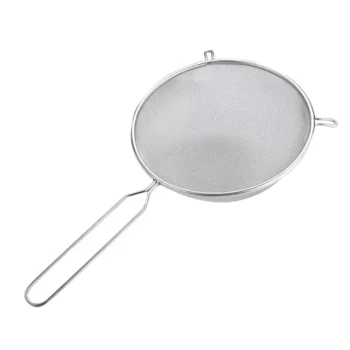
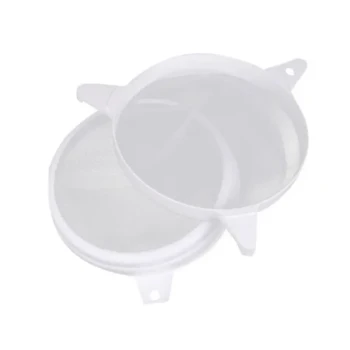
This is the most common method for small to medium-scale operations. It involves pouring honey through a physical barrier, such as cheesecloth or a two-stage filter placed over a sieve. This catches larger debris while allowing the viscous liquid to pass through.
The Nylon Bag Technique
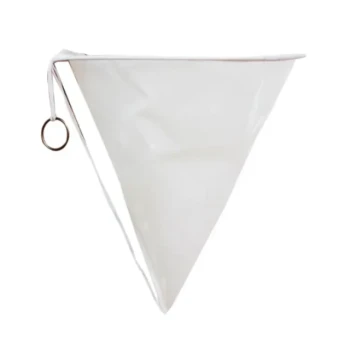
A popular and efficient option involves using a nylon filter, often similar to a paint strainer. The filter is suspended inside a bucket or tank, allowing the honey to drain through gravity. This is particularly effective for catching finer particles that might pass through a coarse metal sieve.
Gravity Settling
This is a passive method often used in conjunction with straining. After extraction, the honey is left to sit in a tank. Air bubbles and wax particles float to the top, while heavy debris sinks. Clear honey is then drawn from the middle layer via a valve, naturally leaving impurities behind.
Integrated Bottling Systems
For streamlined operations, combination tanks are available. These units feature a built-in sieve and a bottling valve (honey gate). As honey is poured in, it is filtered immediately before settling at the bottom, ready for dispensing into jars.
Understanding the Trade-offs
Equipment Material and Contamination
When choosing filtration gear, material quality is critical. Industrial standards dictate the use of food-grade stainless steel to prevent oxidation and contamination from metal ions. Improper equipment can degrade the chemical quality of the honey.
Heat and Timing
Honey is viscous and filters slowly. While warming the honey (using a water bath) can speed up the process, excessive heat can damage beneficial enzymes. Additionally, "pressing" honey from the comb is faster than gravity draining but is more laborious and typically requires immediate warming and straining to manage the wax-heavy mixture.
Nutrient Preservation vs. Clarity
Professional equipment is designed to remove debris while preserving natural nutritional components. However, aggressive filtration can strip away beneficial pollen. The goal is to remove the "impurities" (wax, debris) without sterilizing the honey of its natural character.
Making the Right Choice for Your Goal
Whether you are a hobbyist or scaling up for commercial sales, your method should match your volume and quality standards.
- If your primary focus is Simplicity (Hobbyist): Use a nylon bucket filter or cheesecloth; it is inexpensive, easy to clean, and effectively removes visible debris.
- If your primary focus is Product Clarity (Commercial): Utilize a settling tank mechanism after straining to allow micro-bubbles and fine wax to separate naturally before bottling.
- If your primary focus is Workflow Efficiency: Invest in a combination sieve and bottling tank to filter and package your honey in a single, continuous workflow.
Choose the method that removes the debris you can see, while preserving the natural essence you can taste.
Summary Table:
| Method | Scale | Primary Benefit | Key Tool |
|---|---|---|---|
| Mechanical Straining | Small to Medium | Quick removal of large debris | Cheesecloth or Two-stage sieve |
| Nylon Bag Technique | Hobbyist | Efficient, low-cost filtration | Nylon filter bags |
| Gravity Settling | All Scales | Natural removal of bubbles & fine wax | Settling tank with honey gate |
| Integrated Systems | Commercial | High efficiency & streamlined bottling | Combination sieve & bottling tanks |
Elevate Your Honey Production with HONESTBEE
Maximize the quality and market value of your harvest with professional-grade equipment. HONESTBEE specializes in supporting commercial apiaries and distributors with a comprehensive wholesale range, including high-efficiency honey-filling machines, specialized hive-making hardware, and food-grade stainless steel filtration systems.
Whether you are scaling your operations or sourcing premium beekeeping tools and industry consumables, our expertise ensures your honey maintains its natural character while meeting the highest visual standards.
Contact HONESTBEE today to discover how our tailored equipment solutions can streamline your workflow and grow your business.
Related Products
- Professional Stainless Steel Honey Filtering Machine with Water Bath Heating for Beekeeping
- Electric Double Wall Honey Filtering Machine Purifier Equipment for Honey Processing Plant
- Professional Stainless Steel Honey Filter with Support Handle
- Professional Honey Filter with Tripod Support Stand
- Professional Cone-Shaped Honey Filter with Reinforced Steel Ring
People Also Ask
- Why do people filter honey? For Clarity, Stability, and Consumer Appeal
- Is it necessary to filter honey after extraction? A Guide to Straining vs. Raw Honey
- Why is filtering honey an important step in honey processing? Ensure Purity, Clarity & Marketability
- What is the best way to filter honey? A Guide to Quality, Clarity, and Raw Preservation
- What are the benefits of using honey filters? Achieve Purity, Efficiency, and Market Appeal