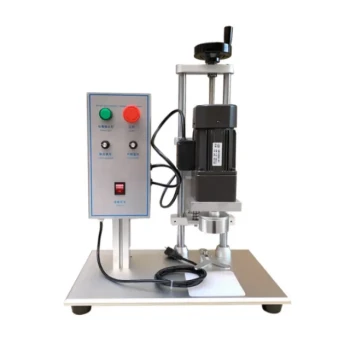
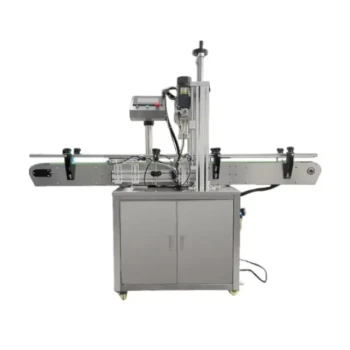
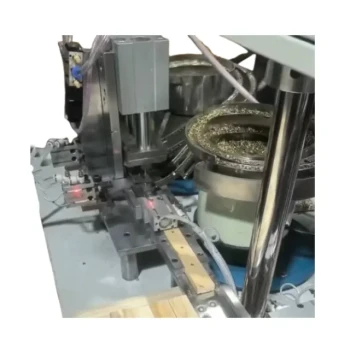
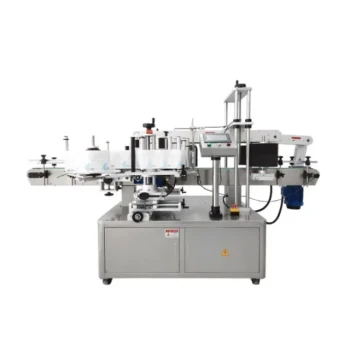
A manual filling machine is the ideal choice for startups and small-scale operations prioritized by limited capital and a need for high versatility. These machines excel in environments where production volume is low but product variety is high, allowing for immediate adjustments between different bottle sizes and product viscosities.
While manual filling requires more human labor and offers lower speeds than automated alternatives, it provides the lowest barrier to entry and the highest flexibility for custom or small-batch runs.
The Financial Case for Manual Systems
Minimizing Upfront Capital
For new businesses or pilot lines, cash flow is often the primary constraint. Manual filling machines require a significantly lower initial investment compared to semi-automatic or fully automated lines.
Reducing Ongoing Maintenance Costs
Automated systems rely on complex electronics, sensors, and conveyor belts that require specialized upkeep.
Manual machines are mechanically simple. They typically require less maintenance and are easier for non-technical staff to service in-house.
Operational Flexibility
Handling Diverse Product Consistencies
If your product line varies wildly—for example, switching between thin spirits and viscous products like honey—manual control is advantageous.
Operators can intuitively adjust the flow and fill speed based on the product's thickness. This eliminates the need for complex calibration required by automated sensors.
Adapting to Various Container Sizes
Startups often experiment with different packaging to find product-market fit.
Manual fillers offer greater flexibility for these changes. Operators can easily adjust filling nozzles and platform heights to accommodate different bottle sizes without expensive change parts or lengthy downtime.
Serving Small-Batch and Custom Orders
For businesses focusing on limited edition runs or custom packaging, automation is often too rigid.
Manual machines allow for "on-the-fly" adjustments. This makes them perfect for small-batch orders where setup time on an automated line would exceed the actual production time.
Understanding the Trade-offs
Production Speed Limitations
The primary drawback is volume. As noted in industry standards, manual filling is inherently slower than automated alternatives.
Your output is strictly limited by the physical speed and stamina of the operator.
Consistency and Accuracy
Automated machines use precise timers or weight sensors to guarantee identical fills.
Manual filling relies on human judgment. This can be less consistent, requiring the operator to carefully monitor fill levels to ensure accuracy and prevent product waste.
Making the Right Choice for Your Goal
To determine if a manual machine fits your current business stage, consider your primary objective:
- If your primary focus is Budget Preservation: Choose a manual filler to minimize upfront risk and keep initial capital available for marketing or ingredients.
- If your primary focus is Product Variety: Select a manual option if you frequently switch between different bottle shapes or product viscosities (e.g., sauces, honey, oils) in the same shift.
- If your primary focus is High Volume: Avoid manual machines; the labor costs and slower speeds will become a bottleneck as demand scales.
Manual filling is not a permanent solution for every business, but it is the most logical starting point for agile, cost-conscious producers.
Summary Table:
| Feature | Manual Filling Machine | Automated Filling Machine |
|---|---|---|
| Initial Investment | Low / Minimal | High |
| Setup & Changeover | Fast & Intuitive | Complex / Requires Calibration |
| Product Versatility | High (Varies by viscosity) | Specific to Machine Type |
| Maintenance | Simple / In-house | Specialized Tech Required |
| Production Volume | Low (Limited by labor) | High (Continuous) |
| Consistency | Visual / Human Judgment | Precise Weight/Level Sensors |
Scaling Your Beekeeping Business with HONESTBEE
Whether you are a growing commercial apiary or a regional distributor, HONESTBEE is your strategic partner for high-quality beekeeping infrastructure. We provide more than just tools; we offer the technical foundation for your success. From high-precision honey-filling machines designed to handle various viscosities to industrial hive-making machinery, our comprehensive wholesale catalog is built for reliability.
Our value to you:
- Diverse Inventory: Full spectrum of beekeeping hardware and essential consumables.
- Industry Expertise: Solutions tailored for both agile startups and large-scale operations.
- Global Support: We supply the machinery and cultural merchandise that drive the beekeeping industry forward.
Ready to optimize your production efficiency? Contact HONESTBEE today to discuss how our equipment can streamline your operations!
Related Products
- Manual Honey Filling Machine Bottling Machine for Honey
- Automatic Honey Filling and Filtering Machine for Beekeeping Bottle Filling
- Precision Durable Efficient HONESTBEE Rotary Honey Filling Machine
- Semi Automatic Small Honey Bottle Filling Machine Honey Filler
- Fully Automatic Honey Filling Packaging Machine for Processing Line
People Also Ask
- What is a manual honey filler and where is it used? The Essential Guide for Small-Scale Honey Bottling
- What is a manual filling machine? The Ultimate Guide for Small-Batch Producers
- What criteria should be evaluated when selecting a honey filling machine? Top Tips for Maximum Efficiency
- What are the main differences between automated and manual honey filling? Scale Your Bottling Operation
- What are the benefits of utilizing professional honey filling machines? Scale Your Production with Precision