Natural plant fiber ropes, such as those made from nettle, offer a distinct advantage over industrial synthetics by eliminating chemical odors that can repel honeybees. While offering the high tensile strength required to physically secure heavy hives, these ropes align with the biological needs of the colony by remaining scent-neutral and chemically inert.
The superior choice of natural fiber over synthetic rope is defined by biological compatibility. While both materials can physically hold a hive, only natural fibers provide the necessary structural security without introducing foreign scents or chemicals that could deter the bees or contaminate their environment.
The Biological Impact of Material Choice
Avoiding Chemical Repellents
The most critical advantage of natural plant fiber ropes is their olfactory profile.
Honeybees are extremely sensitive to scents. Industrial synthetic ropes often carry strong chemical odors resulting from their manufacturing process. These artificial scents can act as repellents, discouraging bees from accepting or staying in the hive.
Neutralizing the "Scent Barrier"
Natural fibers possess a scent that does not offend or repel the colony.
By using materials like nettle, you ensure that the method of fixation does not interfere with the bees' natural behavior or hive acceptance.
Preventing Chemical Contamination
Beyond scent, natural ropes prevent the introduction of harmful substances.
Synthetic materials may leach chemicals over time. Natural fibers are chemically safe, ensuring that no harmful substances are introduced into the sensitive beekeeping environment.
Structural Integrity and Application
High Tensile Strength
Despite being organic, these natural ropes are not fragile.
They possess high tensile strength, making them fully capable of handling the weight and stress of a working hive.
Versatile Mounting Options
The strength of natural fiber allows for diverse placement strategies.
They are reliable enough for the stable suspension of hives on cliffs or for securing them firmly to pedestals. This allows apiarists to utilize rugged or vertical terrain without compromising safety.
Understanding the Trade-offs
The Nature of "Consumables"
It is important to view natural ropes as natural consumables.
Because they are biodegradable, they will eventually break down when exposed to the elements. Unlike permanent synthetic fixtures, they require monitoring to ensure they maintain their integrity over long periods.
Environmental Decomposition
The trait that makes them safe—biodegradability—means they return to the earth.
While this is an environmental benefit, it necessitates a maintenance mindset. You are trading the indefinite longevity of plastic for a material that is healthier for the immediate ecosystem but has a finite lifespan.
Making the Right Choice for Your Apiary
To determine if natural fiber rope is the correct solution for your specific setup, consider your primary objectives:
- If your primary focus is Colony Acceptance: Choose natural fiber to ensure there are no repellent chemical scents that could drive bees away.
- If your primary focus is Environmental Stewardship: Prioritize natural ropes because they are biodegradable and do not introduce harmful pollutants into the ecosystem.
- If your primary focus is Structural Security: Rely on natural fibers for their high tensile strength, specifically for difficult placements like cliff suspension.
By selecting natural plant fibers, you are choosing a tool that supports both the physical weight of the hive and the biological health of the bees inside it.
Summary Table:
| Feature | Natural Plant Fiber Ropes (e.g., Nettle) | Industrial Synthetic Ropes |
|---|---|---|
| Scent Profile | Scent-neutral; no chemical odors | Strong chemical smells; may repel bees |
| Bee Compatibility | High; promotes hive acceptance | Low; can act as a deterrent |
| Tensile Strength | High; suitable for cliff suspension | High; structurally robust |
| Chemical Safety | Chemically inert; no leaching | Potential for chemical leaching over time |
| Environmental Impact | Biodegradable and eco-friendly | Non-biodegradable; long-term pollutant |
| Longevity | Natural consumable; requires monitoring | Permanent; long-lasting |
Elevate Your Beekeeping Standards with HONESTBEE
At HONESTBEE, we understand that commercial success in beekeeping depends on the delicate balance between structural reliability and biological health. As a leading supplier to commercial apiaries and distributors, we provide a comprehensive range of professional-grade beekeeping tools, machinery, and essential consumables designed for peak performance.
Whether you need specialized hive-making machinery, high-efficiency honey-filling equipment, or premium natural consumables that protect your colony's health, our wholesale portfolio is built to scale your operations.
Ready to optimize your apiary or stock your distribution business with industry-leading equipment?
Contact HONESTBEE Today to Discuss Your Wholesale Needs
References
- Zhuo Cheng, Chunlin Long. Ethnobotanical study on plants used for traditional beekeeping by Dulong people in Yunnan, China. DOI: 10.1186/s13002-020-00414-z
This article is also based on technical information from HonestBee Knowledge Base .
Related Products
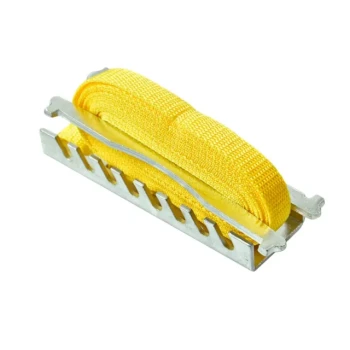
- Professional Galvanized Hive Strap with Secure Locking Buckle for Beekeeping
- Plastic Handle Single Row Artificial Fiber Bee Brush
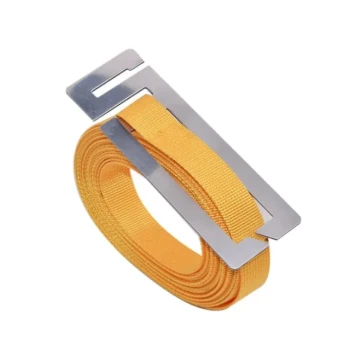
- Heavy-Duty Nylon Beehive Hive Strap with Stainless Steel Cinch Buckle
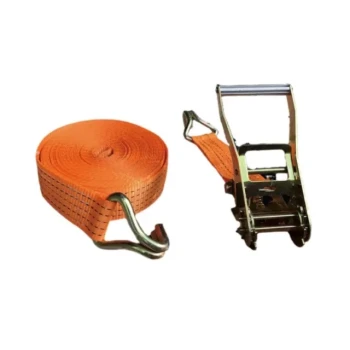
- Heavy Duty Ratchet Hive Strap
- Wooden Bee Hive Frames for Beekeeping and Wholesale
People Also Ask
- What is a good way to store hive straps to keep them organized? Master the Art of Tangle-Free Hive Transport
- What are the two main styles of hive straps? Choosing Between Cam Buckles and Ratchet Mechanisms for Your Apiary
- What role do standardized beehive fastening and protective consumables play? Secure Colonies Against Natural Disasters
- What maintenance do hive straps require? Keep Your Hives Secure with Simple Care Tips
- What is the best choice for hive straps? Ratchet vs. Cam Buckle for Your Apiary