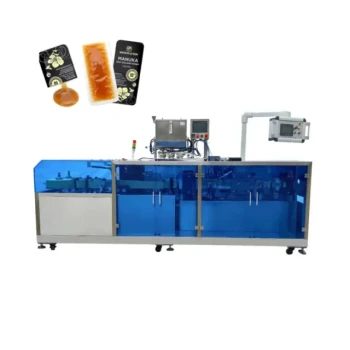
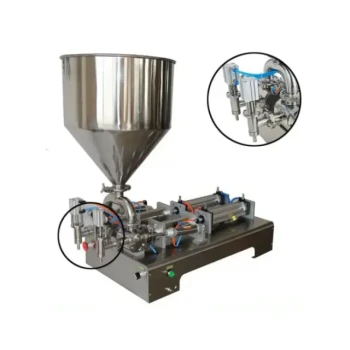
Specialized honey filling machinery transforms commercial operations by replacing variable manual processes with automated precision. These systems ensure consistent filling volumes, maintain strict hygiene standards, and significantly increase production throughput while reducing raw material waste.
The transition from manual to automated filling represents a shift from artisanal production to industrial scalability. By eliminating human error and physical contact, specialized machinery does not just speed up the process; it standardizes the end product to meet rigorous international trade and safety regulations.
Elevating Production Efficiency and Precision
Maximizing Throughput and Speed
For commercial apiaries, the primary limitation of manual filling is the time required to transfer honey from tanks to retail packaging. Specialized machinery automates the workflow, significantly reducing this transfer time. This allows producers to handle large-scale batches efficiently, preventing bottlenecks that occur during peak harvest seasons.
Achieving Metrological Compliance
Manual filling often results in weight variances that can violate trade laws or erode profit margins through overfilling. High-precision automated equipment utilizes automated flow control and metering systems (often pneumatic or servo-driven) to ensure the net weight of every unit is identical. This consistency is mandatory for meeting strict international trade metrological compliance.
Minimizing Product Loss
Honey is a high-value, viscous commodity where even minor spills or overfills accumulate into significant financial losses over time. Automated fillers rely on precise dosing mechanisms to minimize product waste. By controlling the flow down to the gram, these machines maximize the yield from every harvest batch.
Safeguarding Product Quality and Hygiene
Preventing Secondary Contamination
Manual operations introduce the risk of "secondary contamination" through human contact or environmental exposure. Industrial-grade filling lines typically feature enclosed hygienic designs that create a barrier between the product and the operator. This serves as a critical safeguard against microbial contamination during the commercial packaging phase.
Preserving Sensory and Nutritional Integrity
Honey is sensitive to environmental factors; improper handling can degrade its quality. Automated systems bottle honey within a controlled, often sterile environment, which prevents oxidative degradation. This preservation of nutritional and medicinal properties is essential for maintaining the product's value in high-end markets.
Managing Viscosity and Air Incorporation
Thick varieties, such as chestnut honey, present physical challenges that manual pouring cannot easily overcome without trapping air. Automated machines are specifically engineered to handle high viscosity, reducing air incorporation during bottling. This maintains the honey's transparency and visual appeal, ensuring a professional presentation on the shelf.
Understanding the Trade-offs
Capital Investment Requirements
While automation lowers long-term labor costs, it requires a significant upfront capital expenditure. Producers must evaluate their current volume to ensure the return on investment justifies the cost of procuring and installing specialized machinery.
Maintenance and Technical Complexity
Moving away from manual operations introduces a need for technical maintenance. These machines rely on complex pneumatic or servo-driven piston technologies that require regular calibration and cleaning to function correctly. Operators must be trained not just in honey processing, but in equipment operation and basic troubleshooting.
Making the Right Choice for Your Goal
To determine if specialized automation fits your production model, consider your primary objectives:
- If your primary focus is International Export: Prioritize machinery with high-precision metering to ensure strict compliance with weight regulations and metrological standards.
- If your primary focus is Product Purity: Select equipment with enclosed hygienic designs and low-oxidation filling techniques to maximize shelf stability and nutritional value.
- If your primary focus is High-Volume Efficiency: Look for servo-driven piston technology that maximizes speed and throughput to lower labor costs per unit.
Automation is not merely a convenience; it is the infrastructure required to turn a raw agricultural product into a standardized, globally marketable brand.
Summary Table:
| Feature | Manual Operations | Specialized Machinery |
|---|---|---|
| Filling Precision | Variable (Human Error) | High-Precision (Pneumatic/Servo) |
| Production Speed | Slow & Labor Intensive | High Throughput & Scalable |
| Hygiene Standards | Risk of Contamination | Enclosed Hygienic Design |
| Product Waste | Frequent Spills/Overfills | Minimized via Precise Dosing |
| Compliance | Difficult to Standardize | Meets International Trade Laws |
Elevate Your Honey Production with HONESTBEE
Transitioning from manual labor to industrial automation is the key to global scalability. At HONESTBEE, we specialize in empowering commercial apiaries and distributors with the tools needed to succeed in a competitive market.
Our comprehensive wholesale offering includes:
- Advanced Machinery: High-precision honey-filling machines and hive-making equipment.
- Essential Tools: A full spectrum of professional beekeeping hardware.
- Industry Consumables: Every essential item needed for daily operations.
Whether you are aiming for international export compliance or maximizing your harvest yield, HONESTBEE provides the expertise and equipment to protect your product’s integrity and boost your margins.
Ready to automate your success? Contact us today to discuss your wholesale needs!
References
- Emre Arslan, Şeref İnal. Examining honey production with Geographic Information Systems (GIS): The example of Ordu province. DOI: 10.31797/vetbio.1403373
This article is also based on technical information from HonestBee Knowledge Base .
Related Products
- Precision Durable Efficient HONESTBEE Rotary Honey Filling Machine
- Economy Small Honey Filling Machine Honey Bottle Filler Packaging Machine
- Fully Automatic Honey Filling Packaging Machine for Processing Line
- Semi Automatic Small Honey Bottle Filling Machine Honey Filler
- Automatic Honey Filling and Filtering Machine for Beekeeping Bottle Filling
People Also Ask
- What are the common types of bottling machines used for honey? Choosing the Right Solution for Your Apiary
- How do honey filling and processing machines aid native bee product conservation? Boost Value with HONESTBEE Technology
- What quality control role does professional honey filling equipment perform? Ensure Consistency and Product Stability
- What is a key feature of the new generation of the honey filling machine? The Advanced Electronic Control Unit
- How do high-precision honey filling machines ensure quality? Optimize Your Commercial Production with HONESTBEE