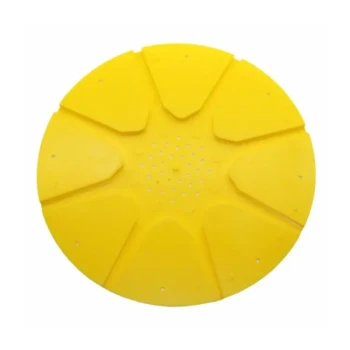
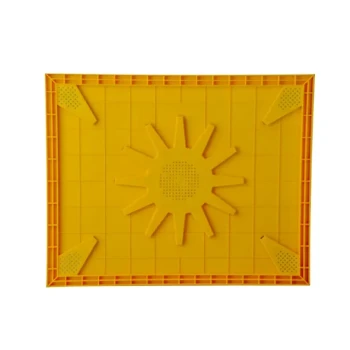
A multi-use plastic bottom board is characterized by its construction from durable, food-grade plastic and its specific design to fit standard 10-frame wide equipment. Unlike organic materials that may degrade over time, this component provides a robust, hygienic foundation for the hive that resists weathering.
The core advantage of this component is the combination of material safety and longevity; it uses food-grade plastic to ensure a non-toxic environment for the bees while eliminating the rot issues common with wooden equipment.
Material Composition and Hygiene
Food-Grade Certification
The primary characteristic of this bottom board is the use of food-grade plastic.
Because the bottom board is an integral part of the hive where bees traffic and potentially store resources, the material must be chemically inert. This ensures that no harmful substances leach into the colony or contaminate the honey.
Enhanced Durability
Plastic offers a distinct advantage in longevity compared to traditional materials.
While wooden boards can rot or warp due to constant exposure to ground moisture and rain, durable plastic is engineered to withstand these elements. It maintains its structural integrity over many seasons without requiring painting or sealing.
Structural Compatibility
10-Frame Equipment Fit
This specific board is designed for compatibility with 10-frame wide equipment.
It serves as the base for the standard Langstroth hive setup. Beekeepers utilizing 10-frame deeps and supers can swap this bottom board into their existing apiary without modification.
Support and Foundation
As the floor of the hive, the board must support the considerable weight of the entire colony.
The plastic construction is rigid enough to hold the brood boxes, honey supers, and the colony itself. It acts as the anchor for the stack, providing a stable platform for the hive components above it.
General Functionality
The Colony Entrance
Like standard bottom boards, the plastic version functions as the "front door" and landing pad.
It provides the single point of entry and exit for foraging bees. This single entrance is critical for the colony's ability to defend against pests and robbers.
Moisture and Rain Management
The design accommodates the need for moisture control.
To prevent rainwater from pooling inside, the hive typically requires a slight forward tilt. The plastic bottom board acts as the runoff surface, ensuring water exits the hive rather than accumulating on the floor.
Understanding the Limitations
Equipment Sizing Constraints
The most significant limitation noted is the specific 10-frame compatibility.
Beekeepers running 8-frame hives or nucs cannot use this specific multi-use board. It is engineered for a specific width, and using it with narrower equipment would expose the hive to the elements and pests.
Moisture Absorption Differences
Plastic is non-porous, unlike wood.
While this prevents rot, it also means the board will not absorb internal hive moisture. Beekeepers must ensure proper ventilation and hive tilting to manage condensation, as the material itself will not buffer excess humidity.
Making the Right Choice for Your Goal
When selecting hive components, align your choice with your long-term management style:
- If your primary focus is longevity: Choose the multi-use plastic board for its resistance to rot and weather-related degradation.
- If your primary focus is equipment standardization: Verify that your apiary runs on 10-frame gear, as this board is incompatible with 8-frame setups.
- If your primary focus is hygiene: Rely on the food-grade rating to ensure a chemically safe environment for your bees.
The multi-use plastic bottom board represents a modernization of hive components, trading the traditional aesthetics of wood for the functional resilience of engineered materials.
Summary Table:
| Feature | Description | Key Benefit |
|---|---|---|
| Material | Food-grade, high-density plastic | Chemically inert and safe for honey production |
| Durability | Weather-resistant & rot-proof | Longer lifespan compared to traditional wooden boards |
| Compatibility | Standard 10-frame equipment | Seamlessly fits existing Langstroth hive setups |
| Function | Integrated entrance & landing pad | Simplifies hive defense and foraging access |
| Maintenance | Non-porous surface | Easy to clean and sanitize for better hive hygiene |
Elevate Your Apiary with HONESTBEE Professional Equipment
At HONESTBEE, we specialize in empowering commercial apiaries and distributors with high-performance beekeeping solutions. Whether you need durable food-grade plastic components, advanced hive-making machinery, or precision honey-filling equipment, our comprehensive wholesale portfolio is designed to scale your operations efficiently.
Why partner with us?
- Full Spectrum Supply: From essential consumables to specialized hardware.
- Built for Professionals: High-durability tools tailored for commercial-scale use.
- Growth Focused: Cultural merchandise and equipment to help you stand out in the market.
Ready to upgrade your beekeeping infrastructure? Contact us today to explore our wholesale offerings!
Related Products
- Durable Plastic Frame Spacer
- Langstroth Solid Bottom Board for Beekeeping
- Langstroth Screen Bottom Board for Beekeeping Wholesale
- Solid Bottom Board Australian Pine Wood Langstroth Bottom Board for Wholesale
- Plastic Bee Frame Beekeeping Hive Frames for Wholesale
People Also Ask
- Are plastic bee hive frames good? A Guide to Modern Durability vs. Natural Appeal
- Are plastic bee frames good? A Guide to Durability, Efficiency & Bee Acceptance
- What are the advantages of using Standard Langstroth 10-frame equipment? Scale Your Commercial Apiary Efficiency
- How do you clean plastic frames? A Gentle Guide to Preserving Your Frames
- How must plastic frames be prepared for bees? Expert Tips for 100% Acceptance & Success