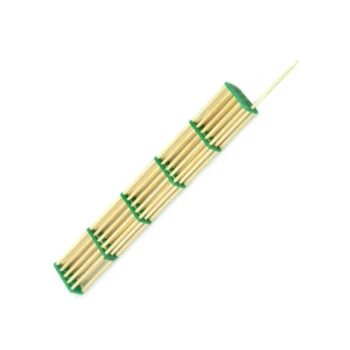
The most critical error in queen introduction is rushing the process. Common mistakes include releasing the queen before the colony has accepted her pheromones, failing to monitor the hive's aggression levels, and neglecting essential environmental factors like ventilation. A queen cage is a safety device; bypassing its protocols often leads to the queen being injured, killed, or flying away.
The goal of using a queen cage is to balance protection with integration. Success requires placing the queen on resources that allow her to lay eggs immediately while physically separating her from aggressive adult bees until the colony accepts her.
The Role of Confinement
Preventing Immediate Rejection
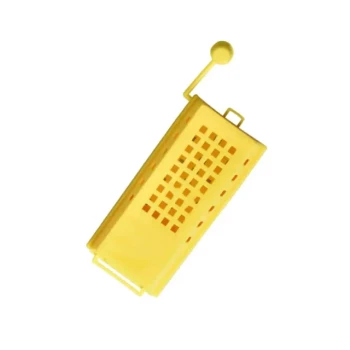
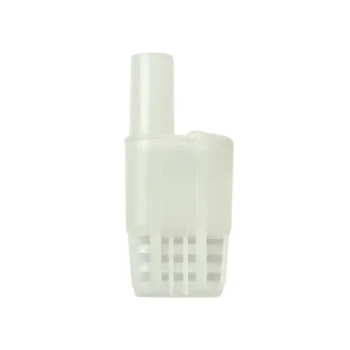
The cage serves as temporary confinement to help the queen settle into her new environment. Without this physical barrier, the existing bees often perceive the new queen as a threat.
Avoiding Queen Flight
A disoriented or frightened queen may attempt to fly away immediately upon release. Using a cage prevents this escape, avoiding the need to restart the entire introduction process.
Facilitating Acclimation
Confinement allows the queen to acquire the colony's scent safely. This period of adjustment is essential for reducing aggression before full contact is permitted.
Operational Mistakes to Avoid
Introducing the Queen Too Quickly
The primary reference highlights that speed is the enemy of acceptance. Releasing the queen before the colony has habituated to her presence significantly increases the risk of "balling" (attacking) or rejection.
Neglecting Hive Ventilation
Adequate airflow is often overlooked during the introduction phase. Failing to provide proper ventilation within the hive can stress the colony and the new queen, compromising the integration process.
Failing to Monitor Behavior
Simply placing the cage is not enough; you must observe the colony's reaction. Failing to check for signs of aggression or acceptance can lead to premature release or leaving the queen confined too long.
specific Errors with Press-In Cages
Trapping Adult Bees with the Queen
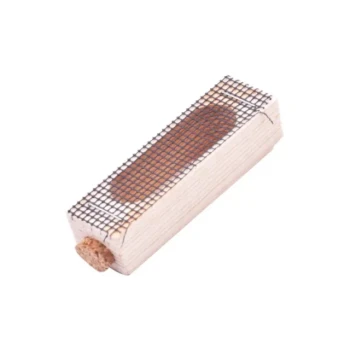
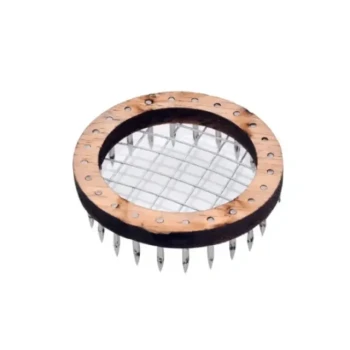
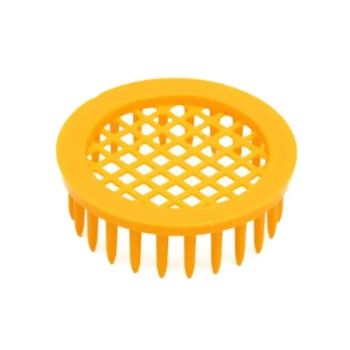
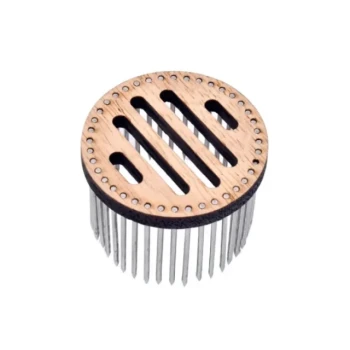
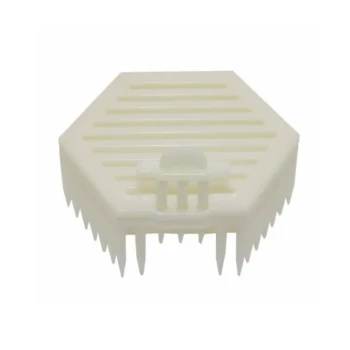
When using a press-in (push-in) cage, a common mistake is trapping adult bees inside the mesh box. The cage should cover only the queen and emerging brood; adult workers from the existing colony may attack her if trapped inside.
Placing the Cage Over Holes
The cage must be pressed into a section of comb that is solid and continuous. If you place the cage over holes or uneven comb, external bees can enter prematurely and attack the queen.
Forgetting Food Resources
The queen requires immediate sustenance. You must ensure the cage encloses a few cells of honey along with the brood, or the queen risks starvation during the acclimation period.
Understanding the Trade-offs
Protection vs. Laying Speed
Standard cages protect the queen but halt egg production, which can delay colony growth. Press-in cages solve this by allowing the queen to lay eggs on the enclosed brood, making her more desirable to the colony, but they require more precision to install correctly.
Disturbance vs. Monitoring
While monitoring is essential, opening the hive too frequently can stress the bees and trigger aggression toward the new queen. You must balance the need to check for eggs or acceptance behavior with the need to leave the colony undisturbed.
Making the Right Choice for Your Goal
To ensure the highest probability of success, tailor your approach to the specific needs of the colony.
- If your primary focus is maximum acceptance: Use a press-in cage over hatching brood and honey, as a laying queen is significantly more attractive to the colony.
- If your primary focus is preventing escape: Ensure the cage is secure and refrain from releasing the queen until you observe non-aggressive behavior from the workers.
- If your primary focus is colony health: Verify that the hive has adequate ventilation and that the chosen frame has no holes that could breach the cage's security.
Patience is the only substitute for luck when introducing a new queen.
Summary Table:
| Common Mistake | Consequence | Prevention Strategy |
|---|---|---|
| Rushing Introduction | Queen rejection or "balling" | Wait for pheromone acceptance and low worker aggression. |
| Poor Ventilation | Increased colony stress | Ensure adequate airflow throughout the hive during acclimation. |
| Trapping Adult Bees | Workers may attack the queen | Only enclose the queen and emerging brood within press-in cages. |
| No Food Resources | Risk of queen starvation | Place cage over honey cells to provide immediate sustenance. |
| Placing Over Holes | External bees may breach cage | Press cage into solid, continuous comb to maintain a barrier. |
Maximize Your Colony's Success with HONESTBEE
Transitioning queens requires precision and the right tools. At HONESTBEE, we specialize in supporting commercial apiaries and distributors with high-quality beekeeping machinery and essential supplies. From specialized queen cages and hive-making machines to professional honey-filling equipment, our comprehensive wholesale portfolio is designed to enhance your efficiency and yield.
Don't leave your queen's safety to chance—partner with the industry experts. Contact us today to discover how our professional-grade tools and beekeeping consumables can grow your business.
Related Products
- Durable Galvanized Steel Spring Queen Bee Cage
- Classic Wooden and Mesh California Queen Cage
- Professional Queen Bee Introduction and Transport Cage
- Professional Queen Cage with Sliding Gate and Feeder Plug
- Professional Multi-Compartment Queen Cage with Sliding Lid
People Also Ask
- Why are specialized queen bee cages used for the banking of mated queen bees? Maximize Commercial Apiary Storage Efficiency
- What is the mechanism of action for using temporary queen bee cages? Master Successful Queen Introduction
- What is the step-by-step process for installing a queen bee's cage onto a frame? Ensure Hive Acceptance Safely
- What is the optimal placement for a queen bee cage? Essential Strategies for Successful Re-queening
- What are the advantages and disadvantages of introducing a queen bee by embedding the cage? Boost Your Queen Acceptance