20-24 frame Lounger Hives offer a distinct advantage in commercial beekeeping by utilizing a horizontal, high-capacity design that prioritizes colony strength and ergonomic management. By providing substantial internal space on a single level, these hives allow for the development of massive honeybee populations and significant honey storage without the need for vertical stacking.
Core Takeaway: Lounger Hives optimize high per-colony yields by reducing the physical labor associated with hive inspections, making them an efficient choice for managing strong colonies in stationary commercial operations.
Maximizing Production Potential
Supporting Colony Density
The defining feature of the Lounger Hive is its massive internal volume, holding 20 to 24 frames in a single horizontal run.
This abundant space supports the unrestricted development of very strong honeybee colonies. A larger workforce directly correlates to higher foraging capacity and resource gathering.
Significant Honey Storage
The extended frame count provides ample room for bees to store nectar and pollen simultaneously.
Unlike smaller hives that require immediate intervention to prevent swarming due to overcrowding, the Lounger accommodates rapid resource influxes. This helps maintain high production yields per colony by ensuring bees always have room to work.
Streamlining Operational Efficiency
Facilitating Direct Observation
The horizontal design fundamentally alters the inspection workflow by allowing "direct observation" of the brood and resources.
Beekeepers can access specific frames without dismantling the entire hive structure. This simplifies the inspection process significantly compared to multi-tier systems, where upper boxes must be removed to check the brood nest.
Reducing Physical Strain
Management of Lounger Hives is primarily lateral, meaning frames are moved side-to-side rather than lifted vertically in heavy boxes.
This manual management style reduces the physical toll on the beekeeper. It eliminates the repetitive heavy lifting associated with adding or removing honey supers in vertical hives.
Understanding the Trade-offs
Migration and Logistics
While excellent for production, the physical footprint of a 24-frame horizontal hive is less compatible with standard migratory logistics.
Supplementary data suggests that industrial beekeeping often relies on standardized, stackable components for rapid transport. Lounger hives are generally bulkier and harder to palletize for large-scale relocation compared to vertical modular hives.
Automation Compatibility
Modern commercial operations often utilize automated honey harvesting equipment designed for standardized vertical boxes.
A Lounger Hive is a "movable-frame" system, ensuring non-destructive harvest, but its specific frame dimensions or box shape may not integrate as seamlessly with industrial-grade processing lines designed for standard vertical supers.
Making the Right Choice for Your Goal
When integrating Lounger Hives into a commercial operation, consider your specific management style and mobility needs.
- If your primary focus is stationary honey production: The Lounger Hive offers superior ergonomics and high per-colony yields without the physical burden of lifting heavy supers.
- If your primary focus is migratory pollination: Standardized vertical hives may be preferable due to their compatibility with palletized logistics and automated transport systems.
By leveraging the horizontal capacity of the Lounger Hive, you can achieve a sustainable balance between massive colony populations and manageable labor intensity.
Summary Table:
| Feature | 20-24 Frame Lounger Hive | Traditional Vertical Hive |
|---|---|---|
| Design Type | Horizontal (Single Level) | Vertical (Stacked Boxes) |
| Frame Capacity | High (20-24 Frames) | Modular (Varies by Super) |
| Physical Strain | Low (Lateral movement only) | High (Heavy lifting of supers) |
| Inspection Style | Direct access to all frames | Must remove top boxes to reach brood |
| Best Use Case | Stationary commercial honey production | Migratory pollination services |
| Logistics | Bulky, harder to palletize | Standardized, easy to transport |
Scale Your Apiary with HONESTBEE Professional Solutions
Are you looking to optimize your commercial honey production while minimizing labor intensity? At HONESTBEE, we specialize in supporting commercial apiaries and distributors with high-capacity beekeeping equipment tailored for efficiency. From specialized Lounger Hive configurations to industrial-grade honey-filling machines and hive-making hardware, we provide the full spectrum of tools needed to succeed in the modern market.
Why partner with HONESTBEE?
- Comprehensive Wholesale Range: One-stop shop for hives, machinery, and essential consumables.
- Industrial Strength: Equipment designed for the rigors of large-scale beekeeping and honey processing.
- Targeted Expertise: We understand the unique needs of distributors and professional beekeepers.
Ready to upgrade your operation? Contact us today to discuss our wholesale offerings and find the perfect equipment for your apiary!
References
- Inna Moskaliuk, K. O. Khamid. Analysis of the state of beekeeping industry in Ukraine, features of the organization of labor protection and improvement of safety rules with bees. DOI: 10.15587/2313-8416.2018.129317
This article is also based on technical information from HonestBee Knowledge Base .
Related Products
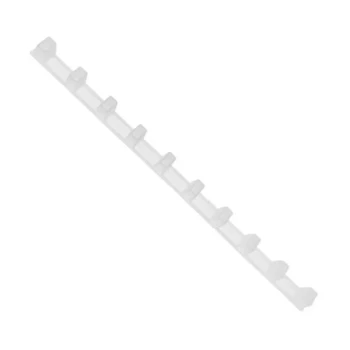
- Durable Plastic Frame Spacer
- Wooden Bee Hive Frames for Beekeeping and Wholesale
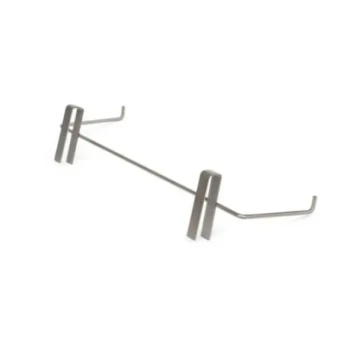
- Heavy-Duty Stainless Steel Clip-On Frame Perch
- Professional Galvanized Steel Frame Rest for Beehives
- Plastic Bee Frame Beekeeping Hive Frames for Wholesale
People Also Ask
- Are plastic bee hive frames good? A Guide to Modern Durability vs. Natural Appeal
- Are plastic bee frames good? A Guide to Durability, Efficiency & Bee Acceptance
- What are the advantages of using Standard Langstroth 10-frame equipment? Scale Your Commercial Apiary Efficiency
- How do you clean plastic frames? A Gentle Guide to Preserving Your Frames
- How must plastic frames be prepared for bees? Expert Tips for 100% Acceptance & Success