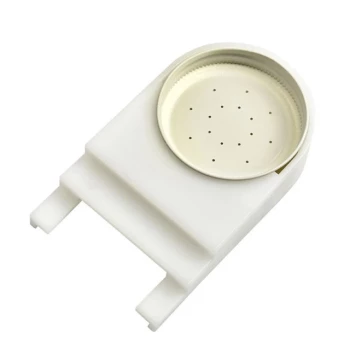
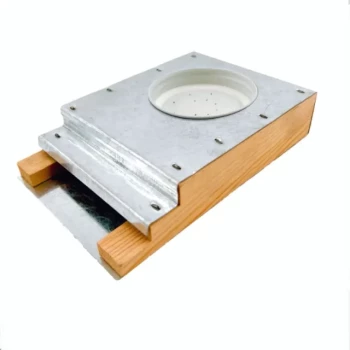
The Division Board Feeder provides a distinct advantage over external methods by securing food sources and maintaining colony warmth. By locating the food supply internally, it protects resources from competitors and ensures accessibility during critical temperature drops.
The Division Board Feeder secures the colony’s winter survival by allowing large-volume feeding directly adjacent to the cluster, preventing robbing and eliminating the need for bees to brave the cold to eat.
Securing Colony Resources
External feeding methods often expose a colony to unnecessary risks. Using an internal Division Board Feeder shifts the dynamic from opportunistic foraging to secure stockpiling.
Preventing Robbing
Placing sugar syrup or honey outside the hive creates an open invitation to pests. External feeding can trigger a "robbing frenzy" where bees from other colonies overwhelm your hive to steal resources.
A Division Board Feeder prevents this by keeping the food supply inside the hive. This exclusivity ensures the nutrition you provide is consumed solely by the intended colony.
Achieving Target Weight Rapidly
Winter survival relies heavily on the colony reaching a specific food storage weight threshold. You often need to supplement heavily in a short window of time.
These feeders are designed to hold large quantities of liquid feed. This capacity allows the colony to uptake and store energy supplements efficiently before the onset of severe winter.
Enhancing Access in Cold Climates
The physical location of the food is just as important as the quantity. As temperatures drop, the behavior of the bee changes, making external feeders ineffective.
Preserving Cluster Warmth
When the temperature falls, bees cannot fly or venture far from the hive. External methods require bees to leave the warmth of the hive, which can be fatal.
The Division Board Feeder keeps the colony enclosed and protected. Bees can access the syrup without leaving the central cluster, preserving their metabolic energy and heat.
Accessibility During Temperature Dips
Bees will starve with food just inches away if it is too cold to break the cluster to reach it.
Because this feeder is an internal device, it sits in direct proximity to the bees. This placement ensures that even when low temperatures restrict movement, the colony has immediate access to life-saving energy.
Understanding the Trade-offs
While the Division Board Feeder is superior for winter prep, it is important to understand the operational implications of using an internal device.
Space Allocation
Because the feeder is placed inside the beehive, it occupies physical space within the box. You must manage your frame count to accommodate the width of the feeder.
Monitoring Access
Unlike a glass jar on top of a hive, you cannot see the syrup levels from the outside. Verifying food levels requires opening the hive, which must be done carefully to avoid chilling the brood in cold weather.
Making the Right Choice for Your Goal
- If your primary focus is Security: Choose the Division Board Feeder to prevent robbing by neighboring bees and wasps.
- If your primary focus is Late-Season Feeding: Use this internal method to ensure bees can access food even when temperatures prohibit flight.
Internal feeding is the most reliable strategy to ensure your colony meets its nutritional requirements without exposure to the elements.
Summary Table:
| Feature | Division Board Feeder (Internal) | External Feeding Methods |
|---|---|---|
| Robbing Prevention | High (Food is secured inside) | Low (Attracts pests & other colonies) |
| Cold Accessibility | Excellent (Adjacent to the cluster) | Poor (Requires bees to leave warmth) |
| Feed Capacity | High (Designed for rapid weight gain) | Variable (Often smaller volumes) |
| Hive Space | Occupies frame space | No internal space required |
| Monitoring | Requires opening the hive | Visible from the outside |
Scale Your Apiary Success with HONESTBEE
Equipping your colonies for winter requires more than just feed—it requires the right tools. HONESTBEE provides commercial apiaries and distributors with high-performance beekeeping equipment designed for efficiency and survival.
From Division Board Feeders and specialized hive-making machinery to honey-themed cultural merchandise, our comprehensive wholesale portfolio is built to support your growth.
Ready to upgrade your inventory or operations? Contact us today to explore our full spectrum of beekeeping solutions.
References
- Ashley L. St. Clair, Adam G. Dolezal. Honey bee hive covers reduce food consumption and colony mortality during overwintering. DOI: 10.1371/journal.pone.0266219
This article is also based on technical information from HonestBee Knowledge Base .
Related Products
- Classic Boardman Entrance Bee Feeder Hive Front Feeding Solution
- Boardman Entrance Bee Feeder Durable Galvanized Steel and Wood Construction for Beekeeping
- In-Hive Dual Compartment Frame Bee Feeder for Targeted Colony Nutrition
- HONESTBEE Entrance Bee Feeder Efficient Hive Front Liquid Feeding Solution for Beekeeping
- Professional Hive Front Entrance Bee Feeder
People Also Ask
- What are the advantages and disadvantages of using an entrance feeder for bees? Balance Convenience and Hive Security.
- What types of bee feeders are available for beginners? Start with the Simple Entrance Feeder
- How do you make an entrance feeder for bees? A Guide to Safe & Effective Hive Feeding
- What is a recommended alternative use for an entrance feeder instead of providing sugar syrup? - Water Feeding Tips
- What are the advantages and disadvantages of an entrance feeder? Optimize Your Apiary's Feeding Strategy