Commercial acrylic resin queen cups represent a significant operational upgrade in royal jelly production compared to traditional materials. They offer superior durability and standardized geometric dimensions that effectively simulate natural queen cells, leading to higher acceptance rates of grafted larvae. Additionally, their high chemical stability and smooth surfaces facilitate easier mechanical cleaning and reusability, streamlining the entire production workflow.
Core Takeaway The transition to commercial acrylic resin cups is driven by the need for consistency and scalability. By combining precise biological mimicry with industrial durability, these cups maximize larval acceptance while reducing long-term labor through easy cleaning and reuse.
The Impact of Standardization and Material
The primary advantage of acrylic resin lies in its ability to offer consistency that natural wax cannot match.
Precise Biological Mimicry
Acrylic cups are manufactured with standardized geometric dimensions.
This precision effectively simulates the morphology of natural queen cells. This structural accuracy is critical because it triggers the natural instinct of worker bees to accept the transferred larvae and begin nursing them immediately.
High Chemical Stability
Acrylic resin is chemically inert.
Unlike organic materials that might degrade or interact with hive substances over time, acrylic provides high chemical stability. This ensures that the cup remains a neutral vessel, protecting the purity of the royal jelly and the health of the developing larvae.
enhancing Operational Efficiency
For commercial beekeepers, the shift to acrylic helps move production from a manual craft to a streamlined industrial process.
Durability and Reusability
A major efficiency driver is the reusability of acrylic consumables.
Traditional wax cups are often single-use or require reformation after harvest. Acrylic cups are durable enough to withstand multiple production cycles, significantly reducing the recurring cost and labor of constantly manufacturing new cups.
Simplified Maintenance
The physical properties of acrylic make maintenance straightforward.
These cups feature smooth surfaces that are easier to clean mechanically than wax. This allows for rapid turnaround times between harvesting and the next round of grafting, enhancing overall production efficiency.
Integration with Modern Systems
Standardized cups are designed to fit perfectly into grafting frames.
This uniformity facilitates the use of mechanical or semi-mechanical collection methods. It ensures "lossless extraction" and allows for precise weighing of yields, which is difficult to achieve with irregular wax cells.
Understanding the Trade-offs
While acrylic cups offer distinct advantages, they introduce specific operational considerations.
Initial Investment vs. Recurring Labor
Acrylic cups represent a higher upfront financial cost compared to making wax cups from hive scrap.
However, this cost is generally offset by the reduction in labor required to mold wax cups for every cycle. The value is realized over the long term through reusability.
Cleaning Rigor
Because the cups are reused, they require a strict cleaning protocol.
You must ensure all royal jelly residue is removed to prevent mold or disease transfer between cycles. Wax cups, being single-use, naturally avoid this specific maintenance burden.
Making the Right Choice for Your Goal
- If your primary focus is Commercial Scalability: Prioritize acrylic resin cups to leverage mechanical cleaning, standardized grafting frames, and faster turnaround times.
- If your primary focus is Maximizing Yield per Graft: Use acrylic cups for their precise geometric simulation, which significantly improves the acceptance rate of larvae by worker bees.
Switching to acrylic resin cups transforms royal jelly production from a variable biological process into a consistent, manageable system.
Summary Table:
| Feature | Acrylic Resin Queen Cups | Traditional Wax Cups |
|---|---|---|
| Consistency | Standardized geometric dimensions | High variability in shape |
| Durability | High; resistant to wear | Low; easily damaged |
| Reusability | Multi-cycle use | Often single-use/disposable |
| Maintenance | Easy mechanical cleaning | Requires melting/reforming |
| Acceptance | High (precise biological mimicry) | Variable (depends on craftsmanship) |
| Efficiency | Optimized for commercial scale | Best for small-scale/manual use |
Maximize Your Royal Jelly Production with HONESTBEE
Transitioning to professional-grade acrylic resin queen cups is the smartest move for commercial apiaries looking to scale. At HONESTBEE, we specialize in empowering commercial beekeepers and global distributors with high-performance tools and industrial beekeeping machinery.
Our comprehensive wholesale offering includes everything from standardized queen-rearing consumables and hive-making machines to advanced honey-filling systems. We understand the needs of large-scale operations and provide the durable, high-precision equipment required to ensure consistent yields and superior honey quality.
Ready to upgrade your workflow? Contact us today to explore our full catalog and wholesale pricing!
References
- Vagner de Alencar Arnaut de Toledo, Fabiana Martins Costa-Maia. Viabilidade financeira da produção de geleia real com abelhas africanizadas suplementadas com diferentes nutrientes. DOI: 10.4025/actascianimsci.v32i4.7895
This article is also based on technical information from HonestBee Knowledge Base .
Related Products
- JZBZ Type Wide Base Plastic Queen Cell Cups for Base Mounting and Queen Rearing
- Clear Black Plain Polystyrene Queen Bee Grafting Cell Cups No Lug for Bee Queen Cup
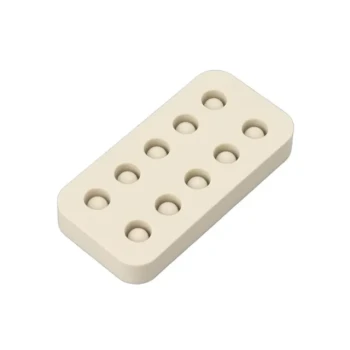
- 10-Cell Silicone Beeswax Bee Queen Cups Forming Mold
- Brown Nicot Queen Cell Cups for Breeding Queen Bees Beekeeping
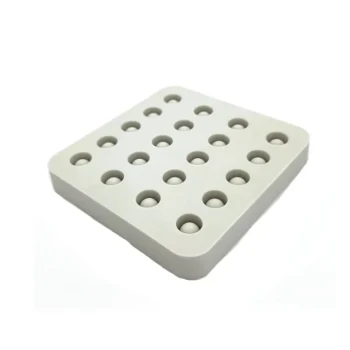
- High-Efficiency 20-Cell Silicone Mold for Beeswax Bee Queen Cup Production
People Also Ask
- What is the primary function of commercial plastic queen cell cups? Driving Efficiency in Mass Queen Rearing
- What are the primary advantages of using plastic queen cell cups? The Industrial Choice for High-Efficiency Apiaries
- What technical advantages do commercial plastic queen cell cups offer? Scale Your Queen Rearing for Maximum Efficiency
- What is the function of standardized plastic Queen Cell Cups? Boost Efficiency in Commercial Larval Grafting
- Why are standardized plastic queen cell cups preferred? Boost Commercial Queen Rearing Efficiency