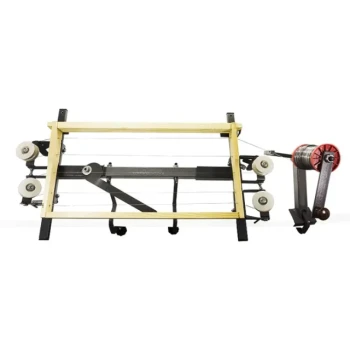
Honey bee artificial insemination provides absolute control over genetic inheritance, a feat impossible with natural mating. By utilizing precision micro-syringes to inject a specific volume of drone semen into the queen, breeders eliminate the randomness of aerial mating and ensure that specific, desirable traits are passed down to the next generation.
Natural mating is a biological gamble, while artificial insemination is a precise engineering tool. This technology transforms beekeeping from a game of chance into a controlled science, allowing for the rapid stabilization of traits like disease resistance and high honey production.
The Core Advantage: Eliminating Uncertainty
Overcoming Random Aerial Mating
In the wild, queens mate largely at random during flight. This biological reality makes it impossible to know exactly which drones fathered the colony.
Artificial insemination removes this "black box." By physically injecting semen, breeders bypass the uncertainty of open-air mating entirely.
Clarifying Paternal Pedigree
With natural mating, the paternal side of the genetic equation is often a mystery.
Using professional equipment allows for the precise control of mating between a virgin queen and specific drones. This clarifies paternal information, significantly improving the accuracy of genetic parameter estimation.
Targeted Genetic Improvement
Reinforcing Production Traits
The primary goal of most apiaries is output. Artificial insemination is decisive for reinforcing specific production capabilities.
Breeders can selectively combine genetics to maximize honey yield. This ensures that high-performance traits are consistently replicated rather than diluted by random drones.
Enhancing Health and Behavior
Beyond yield, apiary sustainability relies on the health and temperament of the hive.
This technology allows breeders to lock in traits such as disease resistance and reduced aggression. By selectively propagating these characteristics, beekeepers can lower colony defensiveness and enhance environmental adaptability.
Understanding the Trade-offs
The Need for Technical Intervention
Unlike natural mating, this process is not passive. It relies heavily on human intervention.
It requires precision micro-operation equipment and the skill to handle specific volumes of semen (e.g., 6 microliters). It moves breeding from a natural process to a technical procedure.
Equipment vs. Geography
There are other ways to control mating, such as using isolated mating stations that rely on geographical barriers.
However, artificial insemination offers control without the need for remote, isolated locations. It overcomes geographical limitations but introduces a reliance on specialized instrumentation to achieve the same or better genetic precision.
Making the Right Choice for Your Goal
To determine if artificial insemination is the right path for your apiary, consider your specific breeding objectives:
- If your primary focus is rapid trait fixation: Use artificial insemination to immediately combine specific traits like high yield or disease resistance without the risk of dilution.
- If your primary focus is scientific breeding: Use this technology to establish clear pedigrees and accurate genetic data, which is essential for long-term selection progress.
Artificial insemination is the definitive tool for beekeepers who prioritize genetic certainty over natural convenience.
Summary Table:
| Feature | Natural Mating | Artificial Insemination (AI) |
|---|---|---|
| Genetic Control | Random (Aerial Mating) | Absolute (Controlled Selection) |
| Paternal Pedigree | Unknown/Black Box | Fully Documented & Verified |
| Trait Fixation | Slow and Unreliable | Rapid and Precise |
| Geographic Need | Requires Isolated Stations | No Geographic Limits |
| Technical Requirement | Biological Process | Specialized Instrumentation |
| Primary Outcome | Genetic Variance | Predictable Performance |
Elevate Your Apiary’s Genetic Potential with HONESTBEE
Transition from chance to precision with HONESTBEE’s professional-grade beekeeping solutions. As a leading partner for commercial apiaries and global distributors, we provide the specialized machinery and technical equipment—including precision artificial insemination tools—necessary to stabilize high-yield and disease-resistant traits.
Whether you are scaling a commercial breeding program or supplying the next generation of beekeepers, our comprehensive wholesale portfolio offers everything from specialized hive-making hardware to advanced honey-processing machinery. Unlock the power of controlled breeding today.
Contact HONESTBEE for Wholesale Inquiries & Equipment Solutions
References
- Daiana A. De Souza, Lionel Segui Gonçalves. Experimental evaluation of the reproductive quality of Africanized queen bees (Apis mellifera) on the basis of body weight at emergence. DOI: 10.4238/2013.november.7.13
This article is also based on technical information from HonestBee Knowledge Base .
Related Products
- Queen Bee Artificial Insemination Instrument Equipment for Instrumental Insemination
- Stainless Steel Beekeeping Queen Grafting Tool for Honey Bee Rearing
- Plastic Beekeeping Honey Bee Larvae Grafting Tools for Queen Rearing and Chinese Grafting
- Plastic Handle Single Row Artificial Fiber Bee Brush
- Economy Galvanized Beekeeping Honey Bee Smoker for Wholesale
People Also Ask
- Why is maintaining sanitary conditions important during artificial insemination? Protect Your Queen from Fatal Infections
- Why are artificial insemination instruments critical in bee hybridization? Master Genetic Control & Pure Breeding
- What is the core value of bee artificial insemination instruments in breed improvement? Achieve Precise Genetic Control
- Why is professional bee artificial insemination equipment considered a core tool for genetic control in honeybee breeding? Ensure 100% Purity
- Why is high-purity CO2 used for queen bee artificial insemination? Unlock Precision Breeding & Faster Egg-Laying