Controlled honey bee pollination significantly outperforms traditional open methods by directly enhancing the physical quality and viability of seeds. This approach leverages the aggressive foraging behavior of honey bees to ensure a higher frequency of flower visits and larger pollen loads. Consequently, this leads to measurable improvements in key agricultural metrics, specifically thousand-grain weight and germination rates.
By replacing the variability of open pollination with the consistency of controlled honey bee activity, growers can fundamentally alter seed physiology. This optimization drives superior nutrient accumulation and embryo development, resulting in seeds that are heavier, more viable, and capable of producing more vigorous seedlings.
The Mechanics of Optimized Pollination
Increased Visitation Frequency
In a controlled environment, honey bees exhibit a significantly higher frequency of flower visits compared to the random interactions typical of open pollination. This ensures that a greater percentage of flowers receive the attention necessary for fertilization.
Maximized Pollen Delivery
Honey bees are efficient carriers, transporting larger loads of pollen between flowers. This high-volume transfer is critical for thorough cross-pollination, ensuring that the stigma receives an abundance of genetic material required for optimal seed set.
Physiological Impacts on Seed Architecture
Enhanced Embryo Development
The thoroughness of the cross-pollination process directly influences the internal structure of the seed. Optimized pollen delivery facilitates better embryo development, creating a stronger biological foundation for the potential plant.
Superior Nutrient Accumulation
Effective pollination triggers more efficient metabolic processes within the developing seed. This leads to greater nutrient accumulation, which is physically manifested as an increase in thousand-grain weight—a standard indicator of seed density and quality.
Measurable Outcomes for Growers
Higher Germination Rates
Because the seeds possess better internal development, they demonstrate significantly higher germination rates. The reliability of the seed stock improves, reducing the uncertainty often associated with open-pollinated crops.
Robust Seedling Vitality
The benefits extend beyond the seed stage. Due to the high nutrient reserves and strong embryo formation, the resulting seedlings exhibit stronger growth potential. They possess higher vitality, giving the crop a better start during the vulnerable seedling stage.
Understanding the Trade-offs
Operational Complexity
While the primary reference highlights quality gains, it is important to note that "controlled" implies active management. Unlike open pollination, which relies on ambient environmental factors, controlled honey bee pollination requires the deliberate introduction and maintenance of bee colonies to achieve these specific results.
Dependency on Hive Health
The success of this method is inextricably linked to the vitality of the bees themselves. To maintain the high frequency of visits and pollen loads mentioned, the bee colonies must remain healthy and active, adding a layer of biological management to the cultivation process.
Making the Right Choice for Your Yield
To determine if controlled honey bee pollination aligns with your agricultural goals, consider the following specific objectives:
- If your primary focus is maximizing seed mass: Implement controlled pollination to drive nutrient accumulation and increase thousand-grain weight.
- If your primary focus is stand establishment and reliability: Utilize honey bees to ensure thorough cross-pollination, thereby securing higher germination rates and seedling vitality.
Controlled honey bee pollination transforms the variable process of reproduction into a reliable engine for superior seed quality.
Summary Table:
| Metric | Controlled Bee Pollination | Traditional Open Pollination |
|---|---|---|
| Visitation Frequency | High & Consistent | Low & Random |
| Pollen Load Delivery | Maximized & Efficient | Minimal & Variable |
| Seed Mass (1000-grain) | Significantly Increased | Standard/Lower |
| Germination Rate | Higher Viability | Fluctuating Reliability |
| Seedling Vitality | Strong & Robust Growth | Average Growth Potential |
Maximize Your Yield with HONESTBEE Precision Equipment
At HONESTBEE, we empower commercial apiaries and distributors with the specialized tools needed to manage high-performance pollination services. Whether you are looking to scale your operations with advanced hive-making machinery, optimize honey processing with precision filling machines, or supply a full spectrum of beekeeping hardware and consumables, we have the wholesale solutions for you.
Elevate seed quality and operational efficiency by partnering with an industry leader. Contact us today to explore our comprehensive beekeeping portfolio and see how our equipment can drive superior results for your target customers.
References
- M R Ranjitha, Reddi Shekhar M. Efficiency of European Honey Bees (<i>Apis mellifera</i> L.) over Bee Attractants in Pollination and Seed Yield of Coriander, <i>Coriandrum sativum</i> L.. DOI: 10.55446/ije.2023.1152
This article is also based on technical information from HonestBee Knowledge Base .
Related Products
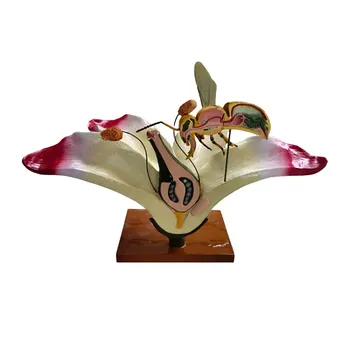
- Anatomical Pollination Bee Model with Flower Cross Section for Educational and Commercial Display
- Durable 16 Way Circular Bee Escape for Efficient Honey Harvesting
- HONESTBEE Entrance Bee Feeder Professional Hive Nutrition Solution for Beekeeping
- HONESTBEE Improved No Grafting Queen Rearing Kit For Queen Rearing and Royal Jelly Production
- High-Efficiency Diamond Maze Bee Escape for Clearing Supers