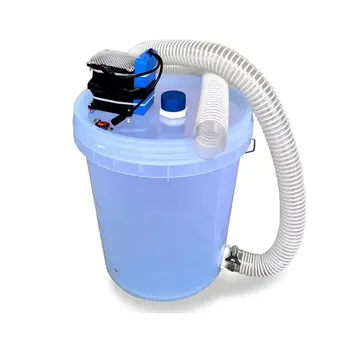
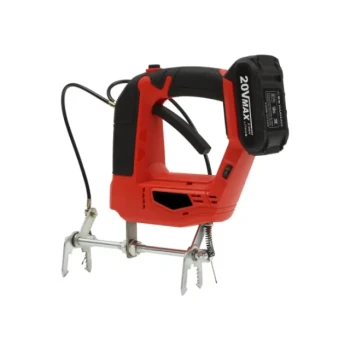
The primary benefit of using a portable vacuum bee collector is the ability to rapidly standardize sample collection, ensuring accurate Nosema detection while drastically reducing field labor. This device allows for the efficient capture of a specific quantity of forager bees directly from the hive entrance, providing a biologically representative sample without the inconsistency or colony disturbance associated with manual capture methods.
The Core Advantage
By automating the collection process, vacuum devices solve the two biggest challenges in Nosema sampling: speed and statistical validity. They allow technicians to secure large, undamaged samples of forager bees in seconds, ensuring that subsequent laboratory spore counts accurately reflect the colony's true infection load.
Maximizing Field Efficiency
Rapid Sample Acquisition
Time is a critical resource, especially in commercial apiaries. A vacuum collector enables the rapid collection of the necessary volume of bees—typically around 60 individuals—in a fraction of the time required for manual methods.
Streamlined Operations
By temporarily blocking the hive entrance and utilizing suction, the device concentrates forager bees for easy capture. This mechanical approach removes the bottleneck of hand-picking individual bees, making it feasible to sample many colonies in a single day.
Ensuring Data Reliability
Representative Standardization
Accurate Nosema quantification relies on statistical probability. Manual sampling can be biased or insufficient in number.
A vacuum collector ensures you gather a standardized sample size (e.g., 60 bees) consistently across all hives. This consistency is vital for standardized laboratory spore counting, allowing for reliable comparisons between colonies.
Preserving Sample Integrity
Biological integrity is essential for accurate lab analysis. The vacuum method is designed to minimize physical damage to the bees during capture.
Unlike clumsy manual handling which might crush tissues, vacuum suction preserves the bee's structure. This is critical when samples undergo tissue sectioning or visual inspection in the lab to rule out non-pathological factors.
Minimizing Colony Impact
Reduced Colony Disturbance
Traditional sampling often involves opening the hive or manipulating frames, which stresses the colony.
Vacuum sampling occurs at the hive entrance, targeting forager bees without needing to invade the brood nest. This non-intrusive method maintains colony stability and reduces the risk of accidentally harming the queen.
Targeted Forager Collection
Nosema spores are typically most prevalent in older forager bees. By focusing suction at the entrance, the device naturally targets the exact demographic most likely to carry the pathogen, increasing the diagnostic sensitivity of the sample.
Understanding the Trade-offs
Bulk Screening vs. Symptomatic Diagnosis
While the vacuum is superior for determining a colony's overall infection load (spore count), it is a "bulk" tool.
If your goal is to investigate specific clinical signs, such as crawling behavior or abdominal swelling, manual observation remains necessary.
Specificity Limitations
Vacuum collectors capture any bee at the entrance. Professional observation chambers and manual tools are better suited when you need to isolate and examine a single specific bee exhibiting symptoms to distinguish between Nosema and environmental poisoning.
Making the Right Choice for Your Goal
To ensure you are using the correct method for your specific diagnostic needs, consider the following:
- If your primary focus is Routine Pathogen Monitoring: Use the vacuum collector to quickly gather a statistically significant sample of 60 forager bees for lab spore counts.
- If your primary focus is Investigating Clinical Symptoms: Use manual capture and observation chambers to isolate specific bees showing crawling or swelling to rule out environmental factors.
Standardizing your collection method with vacuum technology is the single most effective step toward obtaining reliable, comparable data on Nosema infection levels.
Summary Table:
| Feature | Vacuum Bee Collector | Manual Sampling |
|---|---|---|
| Collection Speed | Rapid (seconds per hive) | Slow (minutes per hive) |
| Standardization | High (consistent sample size) | Low (variable/biased) |
| Colony Impact | Minimal (entrance only) | High (requires hive opening) |
| Target Accuracy | Optimized for foragers | Variable |
| Sample Integrity | High (prevents crushing) | Medium (risk of damage) |
| Best Use Case | Routine pathogen monitoring | Investigating clinical symptoms |
Scale Your Apiary Operations with HONESTBEE
At HONESTBEE, we specialize in empowering commercial apiaries and distributors with the high-performance tools needed for modern beekeeping. Whether you are looking to enhance your diagnostic accuracy with advanced sampling equipment or need to upgrade your facility with honey-filling machines and hive-making hardware, our comprehensive wholesale portfolio has you covered.
Why partner with us?
- Full Spectrum Supply: From essential consumables to heavy-duty machinery.
- Commercial Expertise: Tailored solutions for large-scale operations and global distributors.
- Industry Innovation: Equipment designed to maximize efficiency and honey production.
Ready to optimize your beekeeping business? Contact HONESTBEE today to explore our wholesale offerings and see how we can streamline your success!
References
- Agostina Giacobino, Marcelo Signorini. Environment or beekeeping management: What explains better the prevalence of honey bee colonies with high levels of Varroa destructor?. DOI: 10.1016/j.rvsc.2017.01.001
This article is also based on technical information from HonestBee Knowledge Base .
Related Products
- Portable Electric Bee Vacuum with Lithium Battery and 20L Collection Bucket
- Full Set Beekeeping Electronic Bee Venom Collector Machine Device for Bee Venom Collecting
- Removable Plastic Pollen Trap With Ventilated Tray for Bees Pollen Collector
- 30 cm Plastic Entrance Hole Bee Pollen Trap and Collector
- Plastic Bee Pollen Trap Strips Comb Catcher Collector
People Also Ask
- What are the advantages of using portable bee vacuums for sampling honey bees? Optimize Nosema Detection Efficiency
- Who is qualified to use a bee vacuum? Essential Safety and Experience Requirements for Effective Bee Relocation
- What potential problems can occur when using a bee vacuum? Prevent Colony Mortality and Ensure Safe Bee Removal
- What are the benefits of using a bee vacuum? Safely Remove & Preserve Honey Bee Colonies
- Why do people use bee vacuums? A Humane Solution for Live Bee Removal