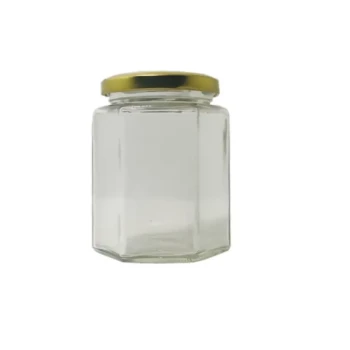
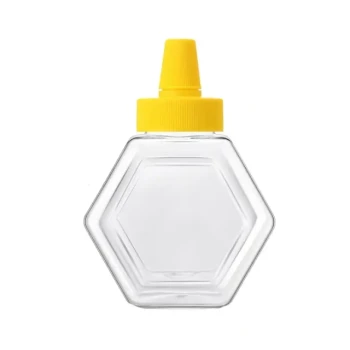
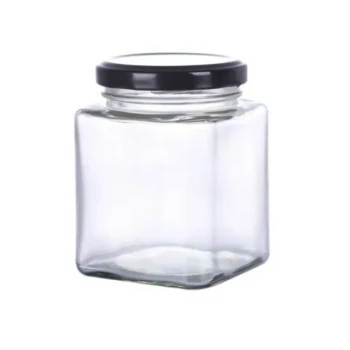
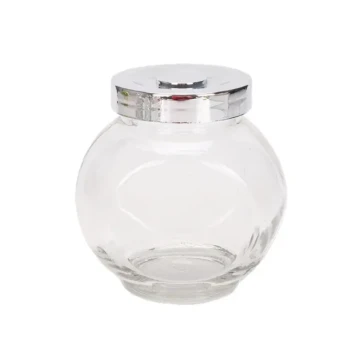
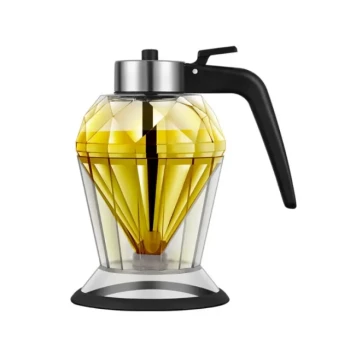
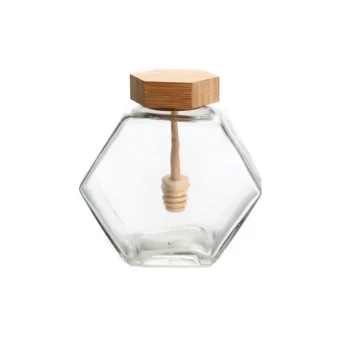
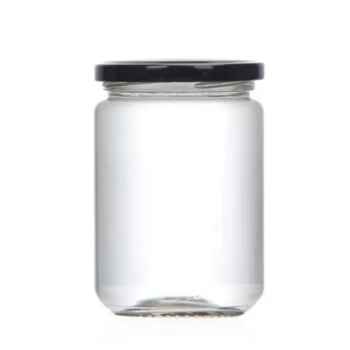
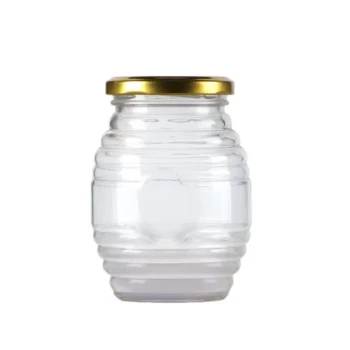
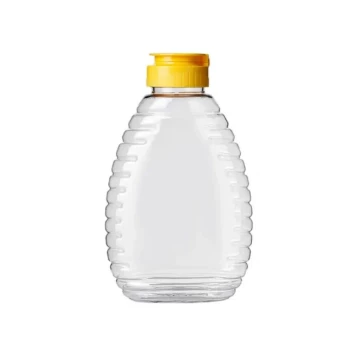
The primary benefits of using high-transparency glass bottles or food-grade plastic jars for honey packaging are effective moisture control and enhanced consumer trust.
By acting as an airtight barrier, these containers prevent honey from absorbing atmospheric moisture, which is critical for preventing fermentation and spoilage. Simultaneously, high transparency allows customers to visually assess the quality, color, and crystallization of the product, directly influencing purchasing decisions.
The Core Insight Honey is a hygroscopic substance, meaning it naturally attracts and holds water molecules from the surrounding environment. The fundamental role of packaging is not just containment, but the creation of a sealed micro-environment that stabilizes water content to prevent spoilage while leveraging visual clarity to validate quality.
The Science of Preservation
Combating Hygroscopy and Spoilage
Honey is highly hygroscopic; left exposed, it will rapidly absorb humidity from the air. This is a critical risk factor because increased water content activates dormant yeasts, leading to fermentation and souring.
Creating an Airtight Seal
High-quality glass and food-grade plastic provide the necessary isolation from the external environment. By creating an airtight seal, these containers maintain the honey's natural low-moisture state, preserving its shelf life and preventing the development of off-flavors caused by spoilage.
Barrier Against External Contaminants
Beyond moisture, these containers act as a barrier against external odors and gases. This protection helps maintain the enzyme activity and authentic flavor profile of the honey, ensuring the product tastes exactly as it did upon harvest.
The Psychology of Consumer Trust
Leveraging Visual Perception
In the honey market, consumers rely heavily on visual cues to judge quality. High-transparency packaging eliminates ambiguity, allowing buyers to clearly observe the honey's color, viscosity, and clarity.
Normalizing Crystallization
Crystallization is a natural process, but it can confuse uninformed buyers. Transparent packaging allows the consumer to see the crystallization state clearly before purchase. This transparency lowers the decision-making threshold by removing surprises, aligning the product with consumer standards for sensory quality.
Enhancing Market Competitiveness
Clear packaging signals product purity. By allowing the physical attributes of the honey to be the primary marketing tool, producers can move away from "low-end" bulk imagery and compete in premium or high-end markets where product integrity is paramount.
Understanding the Trade-offs
Material Inertness: Glass
Glass is chemically inert and non-porous. It offers superior chemical stability, meaning there is zero risk of the container interacting with the honey or leaching chemicals. It provides the best gas barrier, retaining volatile aromatic components better than any other material.
Durability and Versatility: Plastic
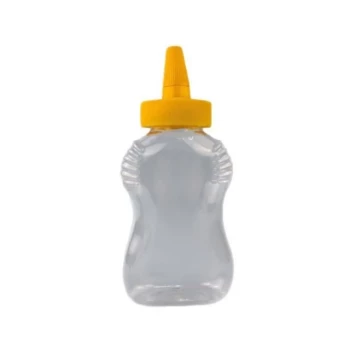
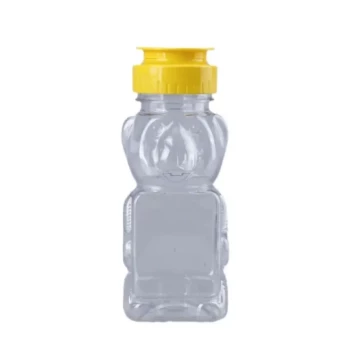
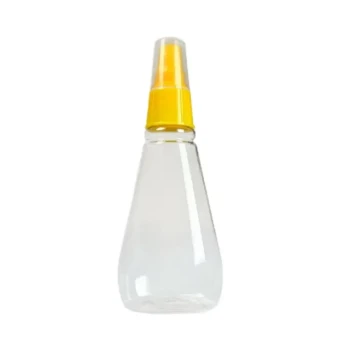
Food-grade plastic is lightweight and durable, significantly reducing shipping costs and breakage risks. It offers versatility in design (such as squeeze bottles or specific shapes). However, plastic is slightly porous; over long periods, this can lead to gradual water evaporation, potentially accelerating crystallization or altering texture.
Making the Right Choice for Your Goal
To select the best packaging, you must weigh the logistical benefits against product positioning.
- If your primary focus is Premium Positioning: Choose glass containers. Their chemical inertness, superior gas barrier, and weight provide an elevated feel that justifies a higher price point and ensures maximum flavor preservation.
- If your primary focus is Logistics and Distribution: Choose food-grade plastic. The lightweight, shatter-resistant nature of plastic facilitates safer, more affordable shipping and handling for bulk quantities or mass-market retail.
Ultimately, the best packaging is one that balances the chemical necessity of moisture isolation with the marketing necessity of visual clarity.
Summary Table:
| Feature | Glass Bottles | Food-Grade Plastic Jars |
|---|---|---|
| Transparency | Excellent (High clarity) | Good (Slightly lower than glass) |
| Seal Type | Airtight / Hermetic | Airtight / Squeeze-friendly |
| Chemical Stability | Chemically inert (No leaching) | Food-safe (BPA-free options) |
| Durability | Fragile / Breakable | High / Shatter-resistant |
| Moisture Control | Superior gas barrier | Effective (Porous over long term) |
| Ideal For | Premium/High-end branding | Mass-market/E-commerce shipping |
Elevate Your Honey Production with HONESTBEE
As a professional beekeeper or distributor, your success depends on preserving the integrity of your harvest. HONESTBEE provides the industry's most comprehensive wholesale range of commercial beekeeping tools and machinery designed to optimize every stage of your operation.
Whether you need precision honey-filling machines to ensure perfect airtight seals or hive-making hardware to scale your apiary, we deliver the specialized equipment required to compete in premium markets. Our portfolio extends from heavy-duty machinery to honey-themed cultural merchandise, ensuring you have everything needed to build a powerful brand.
Ready to scale your commercial apiary? Contact us today to discuss our wholesale equipment solutions and how we can support your business growth.
References
- Smith A. R. Dossou, Rodrigue Castro Gbèdomon. Promotion of beekeeping: Insights from an empirical analysis of three honey value chains in<scp>Benin</scp>. DOI: 10.1111/1477-8947.12238
This article is also based on technical information from HonestBee Knowledge Base .
Related Products
- Hexagonal Glass Honey Jars with Metal Lug Caps Elegant Versatile Packaging
- Hexagonal Squeeze Honey Bottle with No Drip Lid
- Modern Square Glass Honey Jar with Twist Off Lid
- Classic Drum Shaped Glass Honey Jar with Airtight Lid
- Premium Diamond-Faceted Glass Honey Dispenser
People Also Ask
- What is the aesthetic appeal of using glass jars for honey? Elevate Your Brand with Premium Packaging
- What are the logistical challenges associated with using glass jars for honey packaging? Navigating Weight & Fragility
- What are the advantages of glass containers for honey? Elevate Quality and Market Value with Premium Packaging
- What are the technical advantages of using glass jars for honey? Master Commercial Packaging for Premium Purity
- What are the advantages of using glass jars for honey packaging? Preserve Purity & Elevate Your Brand