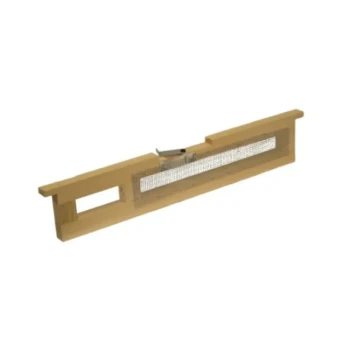
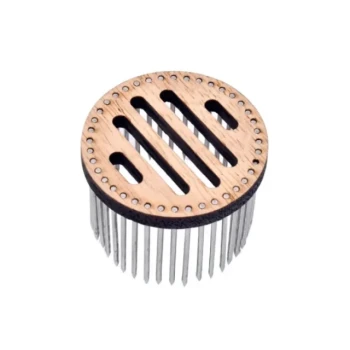
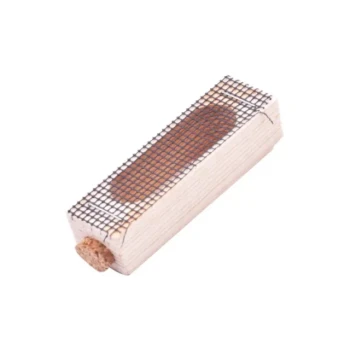
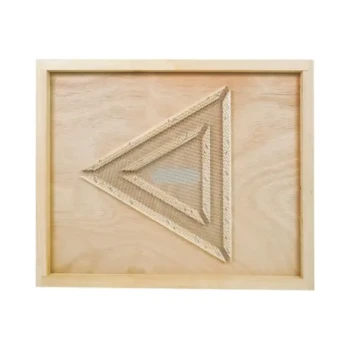
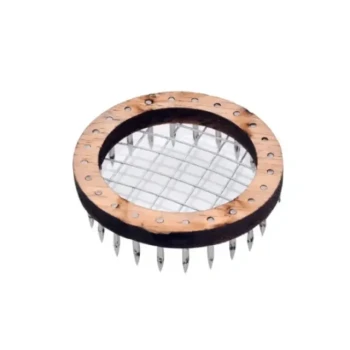
Industrial-grade wooden breeding boxes with integrated shielding offer a high-performance environment for bee propagation by stabilizing the internal microclimate. These structures provide superior thermal insulation and physical protection from direct rainfall and intense UV exposure. By minimizing environmental stress on larvae and the nesting vestibulum, these specialized boxes ensure higher survival rates and more efficient colony expansion for commercial apiaries.
Core Takeaway: Professional-grade wooden breeding boxes utilize natural insulation and structural shielding to create a stable, predictable environment for bee development. For distributors, these products represent a high-value category that combines biological efficiency with the standardized durability required for industrial-scale pollination and honey production.
Optimizing Biological Success through Climate Control
Superior Thermal Regulation
Industrial-grade wood possesses inherent thermal insulation properties that far exceed synthetic alternatives. This material helps maintain a consistent internal temperature, mimicking the natural tree hollows bees prefer.
By stabilizing the heat within the nesting tubes, the box ensures that bees remain in an optimal physiological state. This is critical for minimizing colony stress and ensuring the health of the pollinators before they are deployed in the field.
Integrated Environmental Shielding
The addition of shielding structures effectively blocks direct rainfall and intense solar exposure. These external elements are the primary causes of sudden humidity spikes and temperature surges that can kill developing larvae.
A stable microclimate allows for the proper construction of the vestibulum (the entrance area of the nest). When the internal environment is protected, bees spend less energy on climate regulation and more on foraging and propagation.
Enhancing Larval Development
The dark, enclosed environment created by specialized wooden boxes is essential for mimicking natural nesting habitats. This psychological comfort encourages the queen to begin egg-laying immediately upon introduction to the box.
Consistent temperature and humidity levels are vital during the larval growth phase. Fluctuations in these variables can lead to developmental delays or colony failure, making climate-controlled wooden boxes a "must-have" for professional breeders.
Operational Advantages for Industrial Scaling
Standardized Design for Global Logistics
Modern breeding boxes are built to standardized dimensions, which is a significant advantage for B2B distributors. These designs facilitate the efficient transport of colonies between different pollination zones and simplify warehouse storage.
The uniform structure allows for rapid health inspections. Beekeepers can quickly verify the queen-right status and food storage levels (honey and pollen) without disrupting the entire colony, ensuring only healthy units are shipped to clients.
Scalability and Queen Rearing
High-quality wooden hardware is central to controlled genetic selection. By providing a stable, precision-engineered environment, these boxes allow apiaries to mass-rear high-quality queen bees and initial nucleus colonies.
This capability is the backbone of industrial scaling. Distributors who offer these professional-grade systems enable their clients to expand production capacity rapidly while maintaining the biological integrity of the bees.
Material Sustainability and Acceptance
Bees have a natural affinity for wood, particularly species like white pine, which offer a familiar scent and texture. This leads to higher hive acceptance rates compared to plastic alternatives, reducing the "settling period" for new colonies.
Furthermore, wood is a renewable and abundant resource. It provides a lightweight yet durable solution that is cost-effective to maintain, as individual components can often be repaired or replaced rather than discarding the entire unit.
Understanding the Trade-offs
Maintenance and Longevity
While wood offers superior biological benefits, it requires more consistent maintenance than plastic to prevent rot or warping over many years. Distributors should emphasize the importance of high-quality finishes or treatments that protect the wood without harming the bees.
Weight vs. Durability
Industrial-grade wooden boxes are generally lighter than many plastic hybrids, but they can be susceptible to damage if handled roughly during high-speed fulfillment and shipping. Ensuring robust packaging and using high-quality joinery in the manufacturing process is essential to mitigate this risk.
Making the Right Choice for Your Business Goal
When selecting a partner for your breeding box inventory, focus on the specific needs of your professional client base.
- If your primary focus is rapid industrial scaling: Prioritize standardized wooden boxes with integrated queen-rearing hardware to facilitate mass colony expansion.
- If your primary focus is high-value pollination services: Choose boxes with advanced shielding structures to ensure colony survival during transport and varying field conditions.
- If your primary focus is supply chain efficiency: Look for a supplier offering a full-spectrum product portfolio with ultra-fast delivery times to minimize your inventory overhead.
By providing bees with a stable, shielded environment, these industrial-grade boxes transform unpredictable biological processes into a reliable, professional-scale production system.
Summary Table:
| Feature | Biological Benefit | Operational Advantage |
|---|---|---|
| Thermal Insulation | Maintains stable internal microclimate | Minimizes energy loss and colony stress |
| Integrated Shielding | Protects from direct rainfall and UV | Increases survival rates in variable climates |
| Standardized Design | Facilitates rapid health inspections | Streamlines logistics and warehouse storage |
| Natural Wood Material | Mimics natural habitats (high acceptance) | Durable, repairable, and cost-effective |
Scale Your Apiary Business with HONESTBEE
As a premier partner for distributors and commercial apiaries, HONESTBEE offers a one-stop sourcing solution for high-performance beekeeping hardware. We understand that for B2B resellers, success depends on supply reliability and superior product performance.
Why choose HONESTBEE as your wholesale partner?
- Comprehensive Portfolio: From specialized hive-making and honey-filling machinery to premium wooden breeding boxes and essential consumables.
- Optimized for Distribution: High profit margins, OEM/ODM support, and standardized designs for efficient global logistics.
- Operational Excellence: Benefit from our ultra-fast delivery, deep professional expertise, and rapid-response customer service.
Ready to enhance your inventory with industry-leading beekeeping equipment? Contact us today to request a wholesale catalog and pricing.
References
- Paweł Michołap, Marcin Sikora. Nesting Efectiveness of Red Mason Bee <i>Osmia rufa</i> (L.) in Reed Stalk <i>Phragmites australis</i> (Cav.). DOI: 10.2478/jas-2020-0031
This article is also based on technical information from HonestBee Knowledge Base .
Related Products
- 5 Frame Wooden Nuc Box for Beekeeping
- Professional Wooden Requeening Frame for Beekeeping
- Wooden Bee Hive Frames for Beekeeping and Wholesale
- Premium Wood and Steel Push In Queen Cage
- Wholesales Dadant Size Wooden Bee Hives for Beekeeping
People Also Ask
- What are the options for adding frames to a nuc after taking two frames from the parent colony?
- What frames should be moved into the queenless hive when requeening with a nuc? Ensure a Successful Queen Introduction
- What roles do five-frame nucleus boxes and ten-frame Langstroth hive boxes play in colony standardization?
- What is the primary function of five-frame nuclei boxes? Master Early Colony Establishment for Stronger Hives
- What is the typical composition of frames in a nuc? A 5-Frame Blueprint for a Thriving Hive