Organic pest control provides a critical safety net for honeybee populations. It goes beyond simple pest management by prioritizing the long-term vitality of the colony and the purity of the hive environment.
By eliminating harsh synthetic inputs, organic methods significantly reduce chemical contamination risks, fostering a healthier, safer ecosystem for your bees.
Preserving Hive Integrity
Minimizing Chemical Residue
The most immediate benefit of organic control is the drastic reduction in chemical contamination within the hive structure.
Standard chemical treatments can leave persistent residues in the wax and honey. Organic methods mitigate this accumulation, ensuring the hive remains a clean environment for brood rearing and food storage.
Direct Colony Safety
Organic methods are fundamentally designed to be safer for the bees themselves.
While targeting pests, these treatments generally pose a significantly lower threat to the bees compared to synthetic alternatives. This ensures that the treatment cures the problem without becoming a problem itself.
Environmental and Health Impacts
Supporting the Broader Ecosystem
Adopting organic strategies is explicitly environmentally friendly.
This approach protects not just the managed colony, but the surrounding biodiversity. It prevents the leaching of synthetic toxins into the local soil and water tables that sustain the apiary’s forage.
Ensuring Overall Colony Health
The ultimate goal of organic pest control is to ensure the overall health and safety of the bee colony.
By removing the stress factors associated with chemical exposure, the colony allows its natural defenses to function more effectively. This holistic approach supports the longevity of the hive.
Understanding the Trade-offs
The Risk of Chemical Reliance
While organic methods prioritize safety, it is important to understand what is being traded away when you choose non-organic alternatives.
The primary trade-off discussed in apiary science is the risk of contamination. Relying on synthetic controls introduces foreign substances into the hive that can compromise its internal purity.
Safety vs. Potency
Organic control focuses on long-term safety rather than aggressive chemical eradication.
The choice to go organic is a choice to prioritize the absence of chemical risks over the potential convenience of harsh synthetic agents. This ensures the environment remains safe for the bees, even if the management strategy differs.
Making the Right Choice for Your Apiary
The decision to use organic pest control centers on the value you place on hive purity and environmental impact.
- If your primary focus is Hive Purity: Organic methods are essential for minimizing the risk of chemical contamination in your wax and honey.
- If your primary focus is Colony Safety: Organic treatments provide a safer alternative that reduces the likelihood of harming the bees while treating for pests.
Organic pest control is the definitive path for beekeepers who prioritize the long-term, contaminant-free health of their colonies.
Summary Table:
| Feature | Organic Pest Control | Synthetic Chemical Control |
|---|---|---|
| Residue Risk | Minimal/No chemical accumulation | High risk of wax & honey contamination |
| Bee Safety | High (low-toxicity profiles) | Variable (potential for colony stress) |
| Eco Impact | Environmentally friendly & safe | Risk of soil/water leaching |
| Primary Goal | Holistic health & purity | Aggressive pest eradication |
Elevate Your Apiary’s Health with HONESTBEE
At HONESTBEE, we understand that maintaining a contaminant-free environment is vital for commercial apiaries and distributors. We provide a comprehensive range of professional beekeeping tools, specialized hive-making machinery, and honey-filling equipment designed to support the highest standards of hive purity. Whether you are scaling your honey production or supplying the industry with essential consumables and cultural merchandise, our wholesale solutions are tailored to your growth.
Ready to optimize your beekeeping operations with industry-leading equipment?
Contact HONESTBEE Today to explore our full product portfolio and discover how we can add value to your business.
Related Products
- Adjustable Formic and Acetic Acid Dispenser for Bee Mite Treatment
- Professional Reversible Beehive Hive Entrance
- Compact Circular Bee Mite Treatment Dispenser
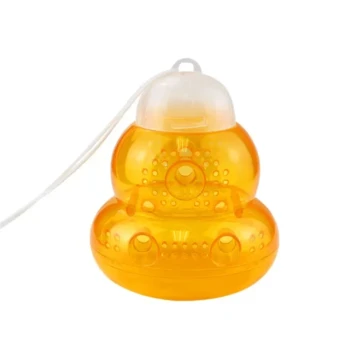
- Gourd Shaped Hanging Wasp Trap Professional Wasp Catcher
- 12V Bee Mite Removal Evaporator Oxalic Acid Vaporizer for Bee Fumigation Treatment 180W Atomization
People Also Ask
- How is the process regulation function of a Formic Acid Dispenser implemented? Achieve Safe, Effective Varroa Control
- Why is a specialized formic acid evaporator necessary? Ensure Safe & Effective Varroa Mite Treatment
- What role do Formic Acid Dispensers play in the biochemical control of Varroa mites? Precision Mite Management
- What is the primary function of a specialized evaporation dispenser? Master Formic Acid Varroa Control
- What is the function of specialized application devices for Varroa? Precision Control for Healthier Bee Colonies