The primary benefits of using the correct beekeeping gloves are enhanced safety, improved efficiency, and reduced physical fatigue. By shielding your hands from stings, they allow you to work with the confidence required to remain calm around the hive. Furthermore, the right gloves strike a critical balance between thick protection and the flexibility needed to manipulate frames and tools with precision.
The ideal beekeeping glove is a tool that balances trade-offs. While its primary function is to prevent painful stings, its most valuable trait is dexterity—allowing you to handle bees gently and perform intricate tasks without the clumsiness that angers the colony.
The Core Benefits of Proper Glove Selection
Enhanced Safety and Confidence
The most immediate benefit of proper gloves is protection against stings. When you eliminate the fear of pain, your movements become calmer and more deliberate. This confidence prevents the jerky, nervous reactions that often agitate bees and trigger defensive behavior.
Optimized Dexterity and Precision
Beekeeping requires fine motor skills, such as lifting heavy frames or catching a queen. Correctly chosen gloves are thin enough to provide tactile feedback, ensuring you don't crush bees or drop equipment. This "feel" is essential for efficient hive management.
Reduction of Fatigue
Using gloves that fit poorly or are overly stiff requires significantly more hand strength to grip tools. A well-fitted, flexible glove reduces the muscle strain involved in gripping hive tools and frames. This allows you to work longer sessions without hand exhaustion.
Secure Seal Against Entry
Proper beekeeping gloves extend up the forearm, specifically designed to overlap with your bee suit or jacket. This long cuff creates a seal that prevents bees from crawling up your sleeves. This coverage is vital for protecting the vulnerable wrist and forearm areas.
Understanding the Trade-offs: Protection vs. Feel
To select the "correct" glove, you must understand that no single glove offers maximum protection and maximum dexterity simultaneously. You are always balancing variables.
Material Thickness vs. Sensitivity
Thicker materials, such as heavy cowhide, offer superior protection against stings and wood splinters. However, they can numb your sense of touch, making it harder to perform delicate tasks. Thinner leathers, like goatskin, offer excellent dexterity but slightly less armor against aggressive colonies.
Durability vs. Ventilation
In hot climates, ventilated gloves with mesh panels are beneficial for reducing sweat and preventing hands from slipping inside the glove. However, mesh is generally less durable than solid leather and may snag. There is also a minor risk of stings penetrating the mesh compared to solid hide.
The Impact of Fit
A glove that is too tight will restrict blood circulation and limit your range of motion. Conversely, a glove that is too loose creates dangerous folds of material that can crush bees or get caught in hive components. Finding a snug, ergonomic fit is as important as the material itself.
Making the Right Choice for Your Goal
Selecting the right benefit depends on your specific environment and experience level.
- If your primary focus is maximum protection: Prioritize thick cowhide gloves with long, elasticized canvas gauntlets to ensure immunity to stings, even if you sacrifice some feel.
- If your primary focus is precision and dexterity: Choose form-fitting goatskin or specialized synthetic gloves that act like a second skin, allowing for gentle manipulation of queens and frames.
- If your primary focus is comfort in heat: Opt for gloves with ventilated mesh cuffs to maintain airflow and reduce moisture buildup during long summer inspections.
The best pair of gloves provides just enough protection to keep you safe while allowing enough sensitivity to treat your bees with care.
Summary Table:
| Benefit | Key Advantage | Recommended Material |
|---|---|---|
| Enhanced Safety | Prevents stings and boosts handler confidence | Heavy Cowhide |
| Optimal Dexterity | Precise frame handling and tactile feedback | Goatskin Leather |
| Reduced Fatigue | Less muscle strain via ergonomic fit | Flexible Soft Leather |
| Heat Management | Improved airflow and sweat reduction | Ventilated Mesh Cuffs |
Elevate Your Apiary Operations with HONESTBEE
Are you looking to supply your team or customers with professional-grade protection? HONESTBEE specializes in supporting commercial apiaries and distributors with high-performance beekeeping tools and equipment.
Our extensive wholesale portfolio includes everything from premium goatskin and cowhide gloves to advanced hive-making machinery and honey-themed merchandise. We empower your business with durable, precision-engineered gear designed to maximize efficiency and safety in the field.
Ready to scale your beekeeping business? Contact us today to discuss our bulk offerings and tailored equipment solutions!
Related Products
- Beekeeping Gloves Goatskin Leather with Long Cotton Sleeve for Beekeepers
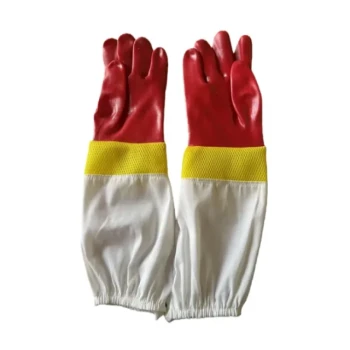
- Heavy Duty Red Rubber Beekeeping Gloves with Vented Mesh Cotton Sleeves
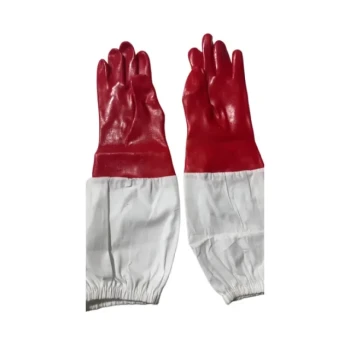
- Heavy Duty Red Rubber Beekeeping Gloves with Extended Pure Cotton Sleeves for Beekeepers
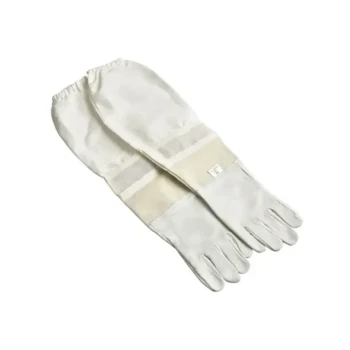
- Goatskin Leather Beekeeper Gloves with Vent Long Sleeve for Beekeeping Honey Bee Sting Proof Protection
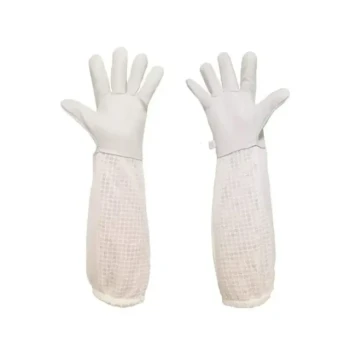
- Premium Ventilated Goatskin Beekeeping Gloves with Full 3-Layer Mesh Sleeve
People Also Ask
- What are the characteristics of the best gloves for beekeeping? Choose Protection & Dexterity
- What are the primary purposes of using beekeeping gloves? Protect Your Hands and Ensure Apiary Hygiene
- What types of gloves are available for beekeeping? Choose the Right Protection for Your Hive
- Why is it important for beekeepers to wear gloves? Essential Safety and Confidence for Hive Management
- Why do some experienced beekeepers opt not to wear gloves? Discover the Benefits of Tactile Precision