Wax dipping is widely recognized as a superior method for preserving wooden beehive components, offering protection that often exceeds that of traditional paint. This process involves submerging the equipment in hot wax, which effectively "cooks" the mixture into the wood fibers to create a deep, durable barrier against decay.
The primary advantage of wax dipping is its ability to displace moisture from within the wood itself, providing long-lasting weather resistance while maintaining the equipment's natural appearance.
The Mechanics of Preservation
Deep Penetration vs. Surface Coating
Unlike paint, which merely sits on the surface of the wood, wax dipping ensures the preservative penetrates deeply.
The hot wax is absorbed into the pores of the timber. This creates a seal that is integral to the material rather than just a superficial layer.
Moisture Displacement
The most critical mechanism of this process is the displacement of water.
As the wood is submerged in the hot wax, the heat drives out existing moisture contained within the wood fibers. The wax then occupies these spaces, preventing water from re-entering and causing rot.
Durability and Aesthetics
All-Weather Resilience
Wax dipping provides robust protection suitable for all weather climates.
Because the wax is "cooked" into the wood, it creates a stable defense against rain, snow, and humidity. This results in equipment that generally lasts longer than painted woodenware.
Preserving Natural Beauty
For beekeepers who prefer a natural look, wax dipping is ideal.
The process protects the wood without covering it in artificial pigments. The equipment retains its natural wood color after treatment, blending seamlessly into the environment.
Understanding the Process Requirements
The "Cooking" Factor
It is important to understand that this is an intensive treatment method.
The process requires the wax to be hot enough to effectively cook into the wood. This heat is essential for the moisture displacement described above to occur effectively.
Making the Right Choice for Your Goal
If you are deciding between painting and wax dipping, consider your specific priorities:
- If your primary focus is maximum longevity: Wax dipping is the superior choice as it penetrates the wood to prevent rot from the inside out.
- If your primary focus is aesthetics: This method allows you to maintain the natural color of the wood while still ensuring high-level protection.
- If your primary focus is weather resistance: The moisture displacement properties make wax dipping highly effective in diverse and harsh climates.
Wax dipping represents a proactive investment in the structural integrity of your apiary equipment.
Summary Table:
| Feature | Wax Dipping | Traditional Painting |
|---|---|---|
| Protection Depth | Deep penetration into wood fibers | Surface-level coating only |
| Moisture Control | Displaces internal moisture | Traps moisture under the surface |
| Durability | Long-lasting (10-20+ years) | Requires frequent repainting |
| Appearance | Maintains natural wood grain | Covers wood with solid pigments |
| Primary Benefit | Prevents rot from the inside out | Basic weather shielding |
Maximize the Lifespan of Your Beekeeping Assets with HONESTBEE
For commercial apiaries and distributors, the durability of your equipment directly impacts your bottom line. HONESTBEE provides the industry's most comprehensive range of beekeeping tools, machinery, and essential consumables designed to withstand the elements. From high-capacity hive-making machinery to honey-filling systems, we equip your business for success.
Ready to upgrade your apiary's efficiency? Our wholesale solutions are tailored to meet the rigorous demands of large-scale operations and global distribution.
Contact HONESTBEE Today to source premium beekeeping hardware and cultural merchandise that delivers lasting value.
Related Products
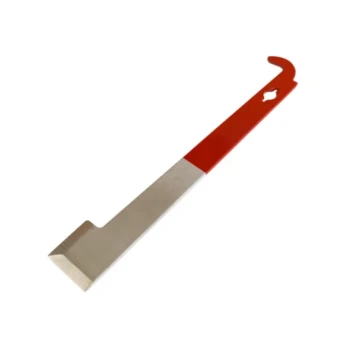
- Stainless Steel J Hook Hive Tool for Beekeeping
- Professional Stainless Steel J-Hook Hive Tool
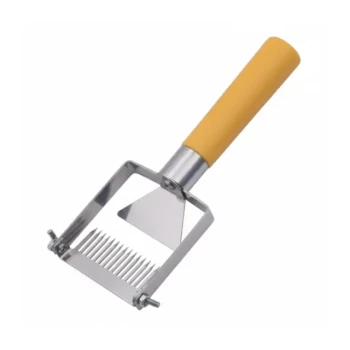
- Adjustable Stainless Steel Honey Uncapping Fork with Plastic Handle for Beekeeping
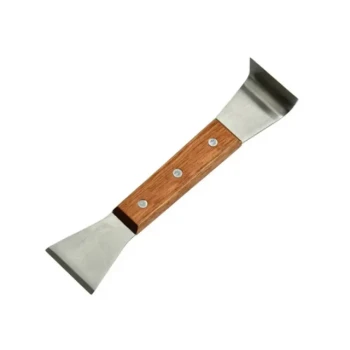
- Professional Dual-End Stainless Steel Hive Tool for Beekeeping
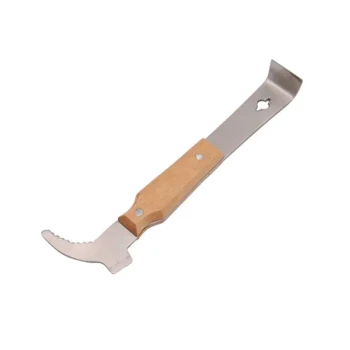
- HONESTBEE Professional Multi-Functional Hive Tool with Ergonomic Wood Handle
People Also Ask
- What specific challenges do beekeeping hive tools address during hive maintenance? Essential Solutions for Apiaries
- What are the features of a J-hook hive tool? Effortlessly Lift Frames with Superior Leverage
- What is a J-hook hive tool and why is it favored by some beekeepers? Master Gentle Frame Handling
- What is the purpose of the J-hook hive tool? Effortlessly Lift Frames with Superior Leverage
- How is a J-hook hive tool designed and what is its primary use? Master Effortless Hive Inspections