Winter beehive inspections should be brief, targeted, and timed for mild weather. Open only the top cover and inner cover long enough to assess food stores, colony condition, dead bees, and moisture. Specialized insulation covers, controlled ventilation, and internal feeding equipment help beekeepers protect the winter cluster while supplying food without exposing the colony to freezing air or encouraging robbing.
Winter management is a balance between heat retention, ventilation, and minimal disturbance. The right insulation cover and non-disruptive feeder allow essential checks and supplemental feeding while preserving the colony’s internal stability.
How to Inspect a Hive Safely in Winter
Choose the Right Inspection Conditions
Inspect on a relatively warm, calm day when ambient temperatures are not excessively low. The objective is to complete the inspection before significant heat escapes from the hive.
Avoid opening hives during severe cold, strong wind, rain, or snow. A short delay is generally preferable to breaking apart a cold cluster.
Keep the Inspection Brief
Do not completely dismantle or tear down the hive in winter. Remove the top cover and inner cover briefly, then replace them as soon as the necessary checks are complete.
Avoid unnecessary frame manipulation. Winter inspections are primarily for confirming survival, food availability, and environmental conditions rather than conducting a full seasonal assessment.
Check Food Stores and Colony Condition
Confirm that the colony has adequate food stores and determine whether the bees are clustered normally. Look for signs that the colony remains viable without disturbing the cluster more than necessary.
Remove dead bees that obstruct the entrance or restrict airflow. Check for unusual odors, mildew, or other visible signs of declining hive health.
Monitor Moisture and Ventilation
Inspect the underside of the top cover for condensation. Moisture accumulation can be as damaging as cold because dripping water and mildew threaten the winter cluster.
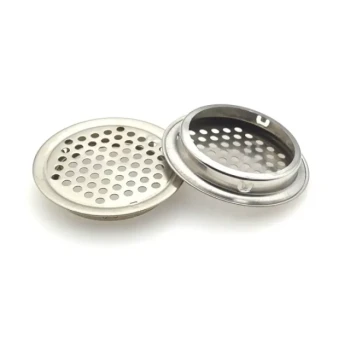
Insulation should retain warmth without completely sealing the hive. Maintain suitable ventilation openings and ensure the entrance remains clear so bees can move in and out.
Selecting Specialized Hive Insulation Covers
Use Covers That Retain Heat Without Sealing the Hive
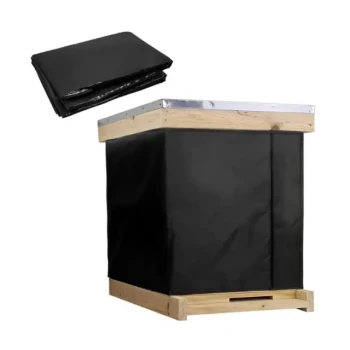
Dedicated hive insulation covers, wraps, or top sheets reduce heat loss around the upper portion of the hive while allowing the colony to be inspected quickly. Products should be designed specifically for hive dimensions and seasonal exposure.
A practical insulation system combines thermal protection with controlled airflow. Covers that block wind but preserve ventilation are more suitable than airtight materials applied without an exit for moisture.
Consider Layered Winter Protection
Foam insulation boards can provide consistent thermal resistance, while dark tar paper or comparable outer wrapping can block wind and absorb solar radiation on sunny winter days. The exact combination should reflect the local climate and hive configuration.
Wind blocks and hay bales placed around the apiary can provide additional protection in exposed locations. They should not obstruct the entrance or prevent routine access for inspection.
Secure Covers Against Wind
Heavy-duty hive cover straps keep lids, insulation layers, and wraps firmly in place during winter storms. This prevents wind from lifting the cover and creating sudden drafts.
For distributors and resellers, straps, wraps, top sheets, foam boards, and ventilation accessories are complementary products that can be supplied as a complete winterization package.
Plan for Seasonal Removal
Remove insulation wraps once weather warms consistently in spring. Leaving winter materials in place too long can interfere with ventilation and create excessive heat or moisture inside the hive.
Choosing Winter Feeding Equipment
Use Non-Disruptive Internal Feeders
Internal feeding equipment allows beekeepers to provide supplemental nutrition without exposing the cluster to freezing temperatures. Suitable equipment should be positioned so bees can reach the feed while remaining protected inside the hive.
Feeder designs should also minimize spills and exposed food, which can attract robbing pests. Secure, compatible equipment is especially important when colonies are being managed in concentrated apiaries.
Stock Protein Patties and Sugar Cakes
Protein patties and sugar cakes are appropriate supplemental feeds during winter when natural forage is unavailable or food stores are insufficient. They should be placed where the colony can access them without extensive hive opening.
Feeding decisions should be based on the colony’s food stores and condition. Supplemental feed supports the colony, but it does not replace proper autumn preparation or adequate stored honey.
Match Feeders to Hive Formats
Feeders should fit the dimensions and layout of the hives being serviced. Distributors should offer compatible options for common hive bodies, inner-cover arrangements, and insulation systems.
A reliable product portfolio can include internal feeders, feeder inserts, protein patties, sugar cakes, replacement lids, and access covers. Compatibility information reduces ordering errors for wholesalers and professional apiary operators.
Prepare for Fast Replenishment
Winter feeding needs can change quickly after extended cold periods. Resellers serving commercial beekeepers should maintain dependable stock, clear product specifications, and rapid fulfillment for urgent replenishment orders.
Dedicated customer service and technical product knowledge are valuable when customers need to select compatible feeding equipment under time pressure.
Essential Inspection and Safety Equipment
Wear Standard Protective Apparel
A bee suit or jacket, helmet, and veil provide basic protection during winter inspections. Even cold colonies can react defensively when covers are removed.
Avoid leather or wool garments, strong perfumes, colognes, and unnecessary jewelry, since odors and loose items can irritate bees or interfere with handling.
Carry Core Hive Tools
A smoker can help calm worker bees when necessary, although winter inspections should use smoke sparingly. A hive tool is needed to lift covers, separate components, and remove wax or propolis.
A frame holder, bee brush, and inspection journal can improve efficiency. Feeders and replacement feed should also be available when the inspection identifies an immediate nutritional need.
Record Inspection Findings
Document food levels, colony activity, moisture, dead bees, feed placement, and any corrective action. Consistent records help operators identify health patterns and plan labor and inventory requirements across multiple apiaries.
Understanding the Trade-offs
More Insulation Is Not Always Better
Heavy wrapping can reduce heat loss, but excessive or poorly installed insulation can trap moisture. The correct design protects against wind and cold while maintaining adequate ventilation.
Frequent Inspections Increase Disturbance
Winter colonies have limited energy reserves and depend on a stable cluster. Inspections should therefore be condition-based and efficient rather than performed on a fixed schedule regardless of weather.
Feeding Can Create Management Risks
Supplemental feed is useful when stores are low, but exposed feed or leaks can attract robbing pests. Internal, secure feeders and controlled access reduce this risk.
Entrance Reduction Requires Care
Reducing the entrance can limit cold air intake and help defend against pests, but the opening must remain clear. Dead bees, ice, snow, or debris should not prevent ventilation or bee movement.
Seasonal Products Need Clear Specifications
Insulation covers and feeders vary in size, material, durability, and hive compatibility. B2B buyers should verify dimensions, fastening methods, ventilation provisions, packaging, and expected delivery lead times before placing volume orders.
How to Apply This to Your Winter Management Program
Choose equipment according to the climate, hive format, apiary exposure, and expected inspection frequency.
- If your primary focus is colony survival: Use fitted insulation covers with secure straps, controlled ventilation, clear entrances, and brief inspections during mild weather.
- If your primary focus is supplemental feeding: Stock internal feeders with protein patties and sugar cakes, positioning feed for access without exposing the cluster.
- If your primary focus is commercial apiary efficiency: Source compatible winter covers, feeding equipment, inspection tools, and replacement supplies from a responsive full-spectrum supplier.
- If your primary focus is wholesale or resale growth: Build seasonal packages that combine insulation wraps, foam boards, straps, feeders, feed products, and protective equipment with clear compatibility data.
- If your primary focus is reducing moisture damage: Select breathable or ventilated insulation systems, inspect top-cover condensation, and remove winter wraps when spring temperatures stabilize.
With the right timing, ventilation, insulation, and feeding equipment, winter inspections can protect colony health while keeping apiary operations efficient and well supplied.
Summary Table:
| Item | Purpose | Key Considerations |
|---|---|---|
| Insulation covers | Retain heat | Must allow ventilation, fit hive dimensions |
| Foam boards & wraps | Add thermal protection | Combine with windproof outer layer |
| Hive straps | Secure covers against wind | Heavy-duty, weather-resistant |
| Internal feeders | Provide food without exposing cluster | Minimize spills, prevent robbing |
| Protein patties & sugar cakes | Supplemental nutrition | Based on stores, placed for access |
| Protective apparel | Safety during inspections | Light-colored, no strong odors |
| Hive tool & smoker | Essential tools | Use smoke sparingly |
Equip your apiary with top-quality winter insulation covers, feeders, and protective gear from HONESTBEE. As a comprehensive wholesale supplier for commercial beekeepers and distributors, we deliver a full spectrum of beekeeping tools, machinery, and consumables. Enjoy rapid order fulfillment, dedicated support, and expert guidance to keep your colonies thriving. Contact us today to discuss your winter supply needs and secure a reliable partnership!
Related Products
- Professional Insulated Winter Hive Wrap for Beekeeping
- Inner Beehive Cover for Beekeeping Bee Hive Inner Cover
- Professional Insulated Plastic Bee Hives
- Telescopic Beehive Outer Cover Lid Roof with Galvanised Sheeting for Langstroth Hive and Beehive Outer Cover
- Stainless Steel Round Beehive Air Vents for Ventilation
People Also Ask
- What are the steps to properly wrap a beehive for winter? Ensure Your Colony Survives the Cold
- When is the best time to wrap a beehive for winter? A Guide to Perfect Winterization Timing
- How do professional insulation wraps provide protection for bee colonies? Optimize Winter Survival & Energy Efficiency
- What are the technical benefits of using winter wraps for beehive insulation? Boost Colony Survival & Hive Health
- What are the benefits of using insulated covers for hives? Ensure Colony Survival and Health