Nitrile gloves offer a strategic compromise between tactile sensitivity and physical protection for modern beekeepers. While they are not completely sting-proof, they provide a snug, flexible barrier that allows for precise frame manipulation and improved sanitation compared to traditional leather gauntlets.
Core Takeaway Effective beekeeping requires balancing personal protection with the need for delicate handling to avoid crushing bees. Nitrile gloves prioritize dexterity and hive hygiene over absolute impenetrability, making them an excellent tool for standard inspections where precision is more critical than heavy-duty armor.
The Performance Characteristics of Nitrile
Superior Dexterity and Precision
The primary advantage of nitrile gloves is their ability to maintain tactile sensitivity. Unlike thick leather, nitrile fits snugly against the skin, allowing you to feel the frames and bees more distinctively.
This sensitivity is crucial for "gentle" beekeeping. Because you can feel what you are touching, you are significantly less likely to accidentally crush bees during inspections, which helps keep the colony calm.
The Sanitation Advantage
From a biosecurity standpoint, disposable nitrile gloves are superior to reusable leather gloves. They allow you to change gloves between hives, effectively eliminating the risk of cross-contamination.
This prevents the transfer of pathogens and diseases from one colony to another. Additionally, nitrile is chemically resistant, making these gloves durable enough to withstand bee repellents or disinfectants without degrading.
Visual and Scent Camouflage
Nitrile gloves help mask the texture and scent of human skin. The smooth, synthetic surface is less likely to trigger a defensive response compared to the texture of bare skin or the animal scent of leather.
Evaluating the Protective Capabilities
Sting Resistance, Not Immunity
It is critical to understand that nitrile gloves do not offer 100% sting protection. While they provide a functional barrier and have high puncture resistance, a determined bee can sting through them.
However, they do reduce the likelihood of stings significantly compared to bare hands. Thicker gauges (heavy-duty nitrile) offer better protection than standard medical-grade gloves while still retaining flexibility.
The Importance of a Snug Fit
The elasticity of nitrile ensures the glove conforms tight to the wrist and hand. This creates a seal that prevents bees from crawling inside the glove—a common and dangerous occurrence with loose-fitting equipment.
Understanding the Trade-offs
Durability and Waste
Nitrile gloves have significantly lower durability than leather or canvas. They are susceptible to tearing on sharp hive tools or wooden splinters and must be replaced frequently.
Limited Wrist Coverage
Standard nitrile gloves often have short cuffs. This leaves the wrists and forearms exposed, creating a "gap" in your armor where stings frequently occur. To mitigate this, you must specifically seek out long-cuff varieties or wear distinct wrist protectors.
Comfort and Moisture
Because nitrile is a non-breathable synthetic rubber, it can cause hands to become extremely sweaty during hot weather inspections. Many beekeepers mitigate this discomfort by wearing thin cotton liners underneath the nitrile to absorb moisture.
Making the Right Choice for Your Goal
To determine if nitrile gloves are the right tool for your specific apiary needs, consider these factors:
- If your primary focus is Hygiene and Disease Control: Nitrile is the superior choice; use a fresh pair for every single hive to prevent pathogen spread.
- If your primary focus is Dexterity: Nitrile provides the best balance, allowing for precise work like queen marking while still offering a psychological and physical barrier.
- If your primary focus is Maximum Protection: Do not rely on nitrile; opt for thick leather gauntlets, especially when working with aggressive colonies or during bad weather.
Nitrile gloves are a tool for the precision-minded beekeeper who values feedback and cleanliness over heavy armor.
Summary Table:
| Feature | Nitrile Gloves | Traditional Leather Gloves |
|---|---|---|
| Dexterity | High (Excellent for queen marking) | Low (Bulky and less sensitive) |
| Hygiene | Disposable; Prevents cross-contamination | Hard to clean; Can harbor pathogens |
| Sting Protection | Moderate (Puncture resistant, not proof) | High (Nearly impenetrable) |
| Durability | Low (Single-use or short-term) | High (Years of use) |
| Fit | Snug (Prevents bees crawling inside) | Loose (Requires gauntlets/straps) |
Elevate Your Beekeeping Operations with HONESTBEE
Maximize your apiary's productivity and health with professional-grade equipment. HONESTBEE specializes in catering to commercial apiaries and global distributors, offering a comprehensive wholesale range of everything from precision beekeeping tools and essential consumables to advanced hive-making and honey-filling machinery.
Whether you are looking to scale your production or supply your local market with premium hardware and honey-themed cultural merchandise, we provide the technical expertise and high-quality inventory you need to succeed.
Ready to grow your beekeeping business? Contact us today to explore our wholesale solutions!
Related Products
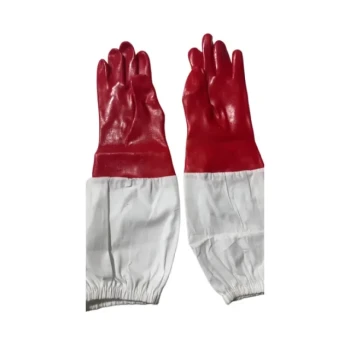
- Heavy Duty Red Rubber Beekeeping Gloves with Extended Pure Cotton Sleeves for Beekeepers
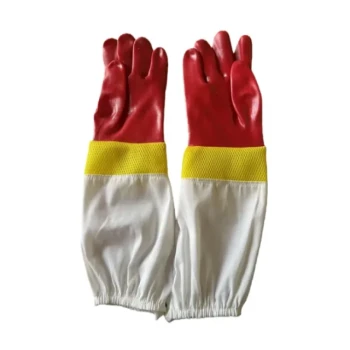
- Heavy Duty Red Rubber Beekeeping Gloves with Vented Mesh Cotton Sleeves
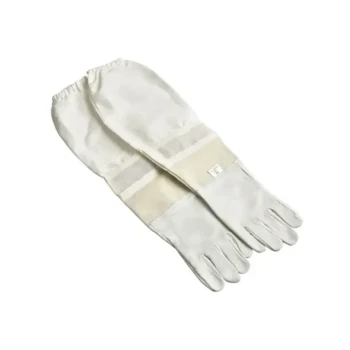
- Beekeeping Gloves Goatskin Leather with Long Cotton Sleeve for Beekeepers
- Goatskin Leather Beekeeper Gloves with Vent Long Sleeve for Beekeeping Honey Bee Sting Proof Protection
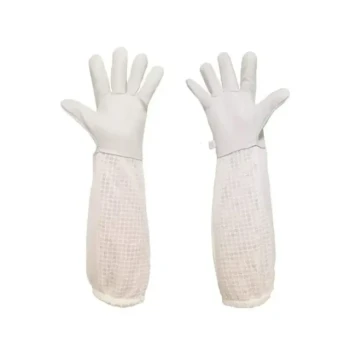
- Premium Ventilated Goatskin Beekeeping Gloves with Full 3-Layer Mesh Sleeve
People Also Ask
- When might a beekeeper decide to work without gloves? Master Hive Finesse and Dexterity
- Why is cleaning beekeeping gloves necessary? Vital Steps for Apiary Biosecurity and Hive Management
- What factors should be considered when selecting beekeeping gloves? Balance Protection and Dexterity
- What are the benefits of properly cleaning and storing beekeeping gloves? Protect Your Bees, Safety & Investment
- Why is personal preference important when choosing beekeeping gloves? Find Your Perfect Fit for Protection & Dexterity