Beekeeping frames utilize three distinct bottom bar variations. These are the one-piece solid bottom bar, the two-piece bottom bar, and the slotted bottom bar. Understanding these distinctions is vital because the bottom bar style, in conjunction with the top bar, dictates which type of foundation your frames can accommodate.
The structural design of a bottom bar does more than just hold foundation; it establishes the vertical boundaries of the comb. A bar that is too thin often leads to "burr comb," where bees bridge the gap between frames, making hive management difficult.
The Three Primary Bottom Bar Styles
1. The One-Piece Solid Bottom Bar
This variation consists of a single, continuous piece of wood. It is typically used when the foundation does not need to pass through the bottom bar or when using specific plastic foundations that snap into place.
2. The Two-Piece Bottom Bar
Often referred to as a "divided" bottom bar, this style features two separate strips of wood. This design allows the foundation to be inserted between the two pieces, securing the sheet from both sides.
3. The Slotted Bottom Bar
This style features a single piece of wood with a groove or slot running down the center. Like the two-piece bar, the slot is designed to hold the bottom edge of the foundation sheet securely in place.
Compatibility with Top Bars
You cannot select a bottom bar in isolation. The bottom bar functions as part of a system with the top bar style. Together, these two components determine the specific type of wax or plastic foundation required for the frame.
Critical Design Considerations and Trade-offs
The Risk of Thin Materials
A frequent flaw in commercial frame manufacturing is the production of bottom bars that are structurally too thin. For example, divided (two-piece) bottom bars are sometimes reduced to mere 5/16-inch by 5/16-inch strips.
Consequences of Small Cross-Sections
When the cross-section of the bottom bar is too small, it fails to act as a definitive border for the bees. In these cases, bees will often draw comb past the bar and attach it directly to the top bar of the frame situated below.
The Importance of Bee Space
To prevent this unwanted attachment, the "bee space"—the gap between frames—must be precise. While the bottom bar's thickness is a factor, the cut of the end bars is the critical measurement that positions the bottom bar at the correct height to maintain this space.
Making the Right Choice for Your Hive
When selecting frames, you must balance foundation compatibility with structural integrity. Use the following guide to ensure your equipment functions correctly:
- If your primary focus is foundation compatibility: Ensure your bottom bar style (solid, two-piece, or slotted) matches the specific requirements of your chosen foundation sheets and top bar style.
- If your primary focus is reducing burr comb: Avoid frames with excessively thin bottom bars, as bees are more likely to build comb bridges across thin strips than substantial wooden barriers.
Select frames where the end bars and bottom bars work together to maintain a clean, distinct bee space between boxes.
Summary Table:
| Bottom Bar Type | Construction | Best Used For | Key Advantage |
|---|---|---|---|
| One-Piece Solid | Single continuous wood piece | Plastic foundations & snap-in styles | High structural integrity & durability |
| Two-Piece | Two separate wood strips | Wax foundation sheets | Securely sandwiches foundation edges |
| Slotted | Single piece with center groove | Wax or plastic foundation | Provides easy alignment and stability |
| System Compatibility | Integrated with Top Bar | All Foundation Types | Ensures correct bee space and minimizes burr comb |
Scale Your Apiary Operations with HONESTBEE
Maximize your honey yield and minimize maintenance with precision-engineered equipment from HONESTBEE. As a premier partner for commercial apiaries and global distributors, we provide more than just supplies—we provide the structural foundation for your success.
From our robust beekeeping frames and high-performance hive-making machinery to our specialized honey-filling equipment and cultural merchandise, HONESTBEE offers a comprehensive wholesale portfolio designed for industrial efficiency. Don't let poor frame construction like thin bottom bars and burr comb slow your production.
Contact us today to receive a wholesale quote and see how our tools can streamline your honey production!
Related Products
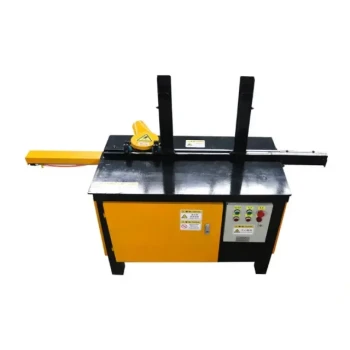
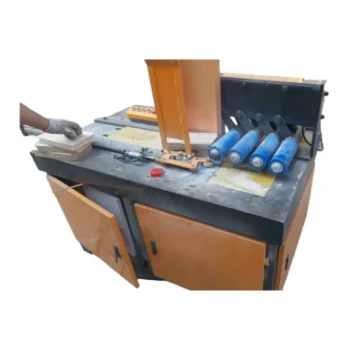
- HONESTBEE Top Bar & Bottom Bar Forming Machine | Bee Frame Machine
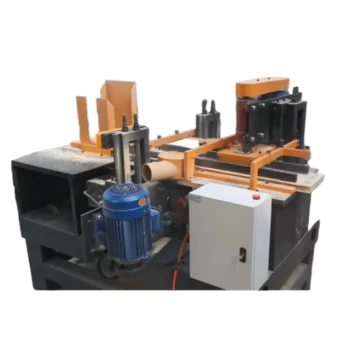
- HONESTBEE Bee Frame Grooving Machine | Precision Slotting for Bee Frame Making
- Langstroth Screen Bottom Board for Beekeeping Wholesale
- HONESTBEE Bee Frame Side Bar Forming Machine Precision Engineered for High-Volume Production Bee Frame Machine
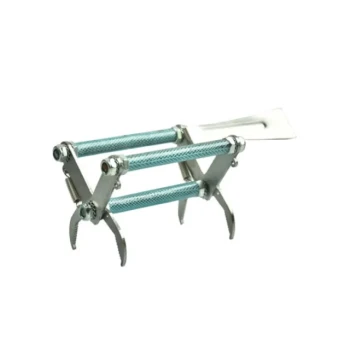
- Professional 3-Bar Frame Grip with Integrated Hive Tool
People Also Ask
- What is the primary function of the Top Bar and Bottom Bar Forming Machine? Automate Hive Frame Production Excellence
- How does the Top Bar and Bottom Bar Forming Machine process wooden strips? High-Precision Frame Component Production
- What is the operational sequence of the Top Bar and Bottom Bar Forming Machine? Precision Beekeeping Frame Manufacturing
- What are the key benefits of investing in the Top Bar and Bottom Bar Forming Machine? Scale Your Hive Production Now
- What customization options are available for the Top Bar and Bottom Bar Forming Machine? Engineered for Any Hive Standard