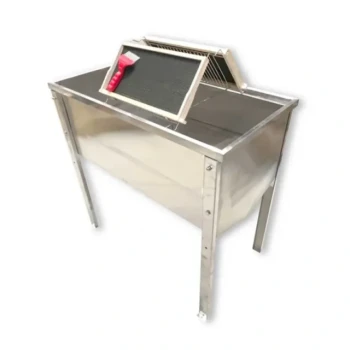
Clean-out-of-Place (COP) wash tanks are engineered for sanitary durability. These systems are constructed using high-quality 14 gauge 304 stainless steel. Regarding capacity, the standard size range for these units spans from 100 gallons to 300 gallons.
The construction of COP wash tanks prioritizes corrosion resistance and sanitary maintenance by utilizing 14 gauge 304 stainless steel, offering a versatile capacity range of 100 to 300 gallons to accommodate various equipment sizes.
Material Specifications and Construction
To understand the reliability of a COP tank, one must look at the specific grade and thickness of the material used.
304 Stainless Steel Composition
The industry standard for these wash tanks is 304 stainless steel.
This material is selected for its excellent corrosion resistance and ability to withstand repeated exposure to water and cleaning chemicals.
It ensures the tank remains hygienic and easy to clean over a long service life.
Gauge Thickness
The standard wall thickness for these COP tanks is 14 gauge.
This gauge provides sufficient structural integrity for immersion washing without adding unnecessary weight or cost.
It strikes a balance between rigidity and formability, which is essential for manufacturing tanks of this specific volume.
Capacity and Sizing Options
Selecting the correct tank size is driven by the volume of parts requiring immersion and the available floor space.
Operational Volume
The available size range extends from 100 gallons to 300 gallons.
This range allows facilities to scale their wash capacity based on throughput requirements.
A 100-gallon tank suits smaller batches or smaller components, while the 300-gallon option accommodates larger equipment or higher volumes of parts.
Understanding the Trade-offs
When evaluating tank specifications, it is helpful to understand how COP construction differs from other sanitary vessels to ensure you are selecting the right equipment for the right application.
Gauge Comparisons vs. CIP Tanks
While COP tanks utilize 14 gauge steel, other sanitary vessels like Clean-in-Place (CIP) tanks often use thicker 11 gauge (3 mm) steel.
This difference exists because CIP tanks may be subject to different pressure or structural stresses than open-top immersion COP tanks.
It is critical not to assume all sanitary tanks share the same wall thickness; the 14 gauge specification is specific to the COP application referenced.
Making the Right Choice for Your Goal
When specifying a wash tank, align the construction details with your operational needs.
- If your primary focus is moderate volume component washing: Select a 100-gallon unit, ensuring the 14 gauge construction provides adequate durability for your specific parts.
- If your primary focus is maximum throughput: Opt for the 300-gallon capacity to handle larger loads, leveraging the same corrosion-resistant 304 stainless steel protection.
- If your primary focus is chemical compatibility: Verify that 304 stainless steel is compatible with your specific cleaning agents, as this is the standard construction material.
By matching the tank capacity to your workflow and verifying the material grade, you ensure a long-term, sanitary solution for your facility.
Summary Table:
| Feature | Specification |
|---|---|
| Material | 304 Stainless Steel |
| Wall Thickness | 14 Gauge |
| Capacity Range | 100 - 300 Gallons |
| Primary Application | Sanitary Immersion Washing |
| Key Benefit | Corrosion Resistance & Durability |
Elevate Your Sanitary Standards with HONESTBEE
Maintaining a sterile environment is critical for commercial success. At HONESTBEE, we specialize in providing high-performance equipment tailored for commercial apiaries and industry distributors. From precision honey-filling machines to durable stainless steel processing tools, our comprehensive wholesale portfolio is designed to streamline your operations.
Ready to upgrade your facility with professional-grade beekeeping machinery or specialized hardware? Contact us today to discuss how our full spectrum of industry consumables and equipment can drive value for your business.
Related Products
- Stainless Steel Uncapping Tank with Stand and Strainer
- Plastic Honey Uncapping Tub Tank for Beekeeping
People Also Ask
- What is an uncapping tank used for in honey harvesting? Maximize Your Honey Yield and Minimize Waste
- What are the functional advantages of using a dedicated uncapping tank during honey processing? Maximize Your Honey Yield
- What size uncapping tank do I need? Find the Perfect Fit for Your Apiary
- What are the features of the processing tanks offered? Engineered for Purity and Efficiency
- What types of stainless steel processing tanks are used for honey? Essential Equipment for Quality Honey Production