Marking or clipping honey bee queens serves as a fundamental control mechanism for maintaining the genetic integrity and safety of an apiary. By applying a visual identifier or modifying the wings, beekeepers can immediately verify the identity of the colony's reproductive leader, distinguishing a selected high-quality European queen from a wild or natural replacement.
These physical indicators are not just about easier visual tracking; they act as a security seal that confirms the colony has not undergone a genetic shift toward aggressive or undesirable traits.
Ensuring Genetic Integrity
The primary function of marking or clipping is to maintain strict control over the genetic stock within the hive. Without these indicators, a beekeeper cannot be certain of the colony's lineage.
Verification of Origin
When you introduce a high-quality European queen, you are investing in specific traits such as docility and honey production. A physical mark serves as proof of this investment. It allows you to confirm at a glance that the queen currently laying eggs is indeed the specific individual you placed in the hive.
Detecting Supersedure
Colonies often replace failing queens through a natural process called supersedure. When this happens, the new queen mates with local drones, altering the colony's genetics. If you encounter an unmarked queen in a hive that was previously managed with a marked one, you instantly know the original stock has been replaced.
Managing Colony Safety and Aggression
In regions where Africanized honey bees are present, the stakes of queen identification are significantly higher. Visual markers serve as a critical safety warning system.
Preventing Unnoticed Takeovers
Aggressive wild Africanized queens can invade and usurp a colony. If this occurs without the beekeeper's knowledge, the hive can rapidly become dangerous to handle. A marked queen provides immediate assurance that an invasion has not occurred.
The "Alarm" Function
If you open a hive and find the marked queen is missing, or replaced by an unmarked queen, it signals a potential safety risk. This discrepancy alerts the beekeeper to assess the colony's temperament immediately. It allows for preemptive management before the colony's population shifts entirely to the offspring of a potentially aggressive wild queen.
Understanding the Trade-offs
While marking and clipping provide essential data, relying on them requires consistency and vigilance.
The Cost of Uncertainty
The primary trade-off in this management strategy is the risk associated with unmarked queens. If a beekeeper neglects to mark a queen, they lose the ability to distinguish between a docile European queen and a potentially dangerous Africanized usurper.
Reliance on Visual Checks
This system relies entirely on the persistence of the mark or the visibility of the clip. If a mark wears off effectively, the beekeeper loses their primary data point regarding the queen's history. Therefore, regular monitoring is required to ensure the "security seal" remains intact.
Making the Right Choice for Your Management Strategy
To effectively utilize marking and clipping, align your actions with your specific apiary goals.
- If your primary focus is Genetic Purity: Monitor your hives regularly to ensure the marked queen remains; if an unmarked queen appears, understand that your selected genetics have been diluted.
- If your primary focus is Safety in Africanized Zones: Treat the absence of a marked queen as an immediate warning sign that the colony may have been taken over by aggressive wild stock.
By treating the queen's mark as a strict status indicator, you transform apiary management from guesswork into a precise, safety-focused discipline.
Summary Table:
| Management Function | Primary Benefit | Operational Impact |
|---|---|---|
| Genetic Verification | Confirms colony lineage | Ensures investment in docility and honey production traits. |
| Supersedure Detection | Identifies queen replacement | Alerts beekeeper to natural genetic shifts and mating changes. |
| Safety Monitoring | Prevents Africanized takeovers | Acts as a security seal against aggressive wild queen invasions. |
| Visual Tracking | Simplifies queen location | Reduces hive inspection time and minimizes colony disturbance. |
Secure Your Apiary’s Future with HONESTBEE
Maintaining genetic purity and hive safety is the foundation of a successful commercial operation. At HONESTBEE, we specialize in empowering commercial apiaries and distributors with the high-quality tools needed for professional hive management.
From precision beekeeping tools and queen rearing equipment to advanced honey-filling machinery and essential industry consumables, our comprehensive wholesale offering is designed to scale your business. Whether you are outfitting a large-scale honey production facility or supplying local beekeepers, we provide the hardware and industry expertise you need to succeed.
Ready to upgrade your apiary equipment? Contact HONESTBEE Today to explore our full spectrum of beekeeping solutions and wholesale opportunities.
References
- Michael K. O’Malley, Jerry W. Hayes. Explaining the Best Management Practices for Maintaining European Honey Bee Colonies. DOI: 10.32473/edis-in874-2010
This article is also based on technical information from HonestBee Knowledge Base .
Related Products
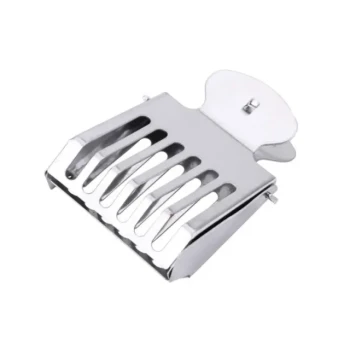
- Heavy Duty Stainless Steel Queen Bee Catcher Clip
- Queen Bee Marking Pen POSCA Queen Marking Pens for Beekeeping Bee Markers
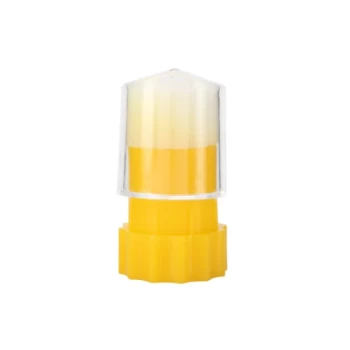
- Queen Bee Marking Tube Cage Bottle Catcher Holder with Clear Plastic Plunger Marker
- Queen Bee Catcher Plastic Bee Marker Bottle with Piston Marking Tube
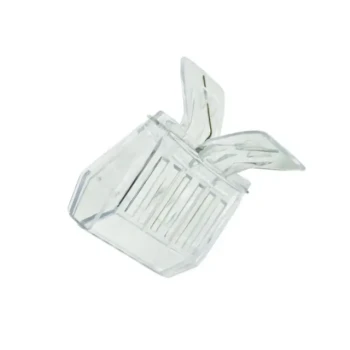
- Professional Spring-Action Queen Catcher Clip
People Also Ask
- What is the function of a queen clip catcher? Ensure Safe Queen Handling & Protect Your Colony
- What are the dual functions of queen bee catchers? Protect Your Queen with Isolation & Precision Management
- What are the advantages of using a queen clip catcher? Protect Your Queen with Precise, Stress-Free Handling Tools
- What is the function of queen clip catchers? Safely Handle Your Queen Bee
- What is the purpose of a queen catcher in beekeeping? Safely Handle Your Queen Bee