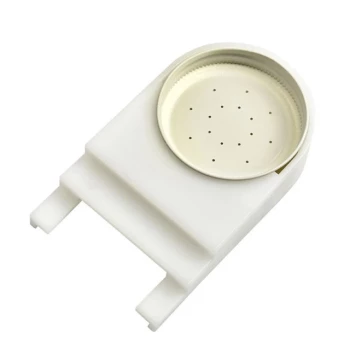
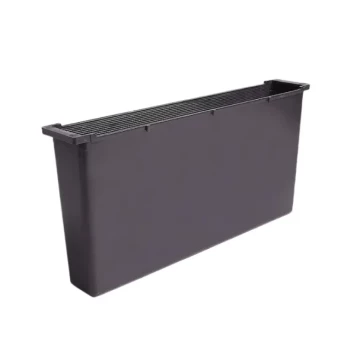
The primary design advantage of hive-top feeders with internal climbing channels and metal mesh is the ability to feed colonies safely without disrupting the hive's internal climate. These units allow bees to access nourishment through a protected system that minimizes heat loss, while the integrated metal mesh significantly reduces the risk of bee mortality by providing a secure grip during feeding.
Core Takeaway: By integrating internal access channels with a physical safety mesh, these feeders solve the dual challenge of maintaining hive homeostasis and preventing drowning. This design allows for non-invasive maintenance and ensures that high-viscosity supplements and medications remain effective and accessible.
Preserving Hive Integrity
Non-Invasive Supplementation
The architecture of these feeders is centered on non-invasive access. The internal climbing channels allow bees to move from the hive into the feeder area without requiring the beekeeper to expose the colony elements.
This means you can replenish sugar syrup supplies without opening the main brood nest. This separation is vital for maintaining the colony's established workflow and stress levels.
Thermal Conservation
Maintaining internal temperature is critical for colony survival, especially during transitional seasons. Because the brood nest remains sealed during feeding, internal hive heat is preserved.
Unlike feeding methods that require fully opening the hive, this design prevents sudden temperature drops that could harm the brood or cluster.
Ensuring Colony Safety
Preventing Drowning
One of the most significant risks in liquid feeding is bee mortality due to drowning, particularly in high-viscosity liquids like heavy sugar syrup.
Without a tactile surface, bees can easily slip into the liquid and become trapped. The design addresses this by including a metal mesh or screen.
Secure Physical Substrate
The metal mesh acts as a physical substrate, giving the bees a reliable surface to grip. This transforms the feeder from a potential hazard into a safe resource, ensuring a feeding process that is both safe and efficient.
Evaluating the Design Trade-offs
UV Exposure and Medication
When administering medicated syrups, the physical location of the feeder becomes a functional trade-off. Transparent entrance feeders expose contents to direct sunlight.
The UV exposure associated with entrance feeders can degrade certain medications, reducing their effectiveness.
The Protective Advantage
In contrast, the hive-top feeder is located entirely inside the hive. This positioning naturally shields the syrup from sunlight.
This makes the internal design the superior choice for medicated supplementation, as it ensures the chemical integrity of the treatment is maintained until consumed.
Making the Right Choice for Your Goal
To determine if this feeder design aligns with your colony management strategy, consider the following specific applications:
- If your primary focus is preventing bee mortality: Prioritize the metal mesh inclusion, as it provides the necessary grip to prevent drowning in thick syrups.
- If your primary focus is winter or cold-weather feeding: Rely on the internal climbing channels, which allow for replenishment without releasing critical hive heat from the brood nest.
- If your primary focus is administering medication: Choose this internal design to shield sensitive compounds from UV degradation, ensuring the dosage remains potent.
By utilizing internal channels and safety mesh, you transform feeding from a disruptive risk into a controlled, supportive maintenance routine.
Summary Table:
| Feature | Design Advantage | Primary Benefit |
|---|---|---|
| Internal Climbing Channels | Non-invasive hive access | Preserves brood nest heat and reduces colony stress |
| Integrated Metal Mesh | Secure tactile grip surface | Prevents bee mortality by eliminating drowning risks |
| Hive-Top Placement | UV shielding and insulation | Protects medication integrity and maintains hive homeostasis |
| Enclosed Architecture | Separation of feeder and nest | Allows replenishment without disrupting colony workflow |
Elevate Your Beekeeping Operation with HONESTBEE
At HONESTBEE, we specialize in empowering commercial apiaries and distributors with professional-grade solutions. Whether you are scaling up with our high-efficiency hive-making and honey-filling machinery or stocking essential beekeeping tools and consumables, we provide the reliability your business demands.
Our hive-top feeders are engineered for durability and bee safety, ensuring your colonies thrive while your operational costs stay low. From specialized hardware to honey-themed cultural merchandise, we are your one-stop wholesale partner for the entire beekeeping spectrum.
Ready to optimize your supply chain? Contact HONESTBEE Today to Explore Wholesale Opportunities
References
- John Colman Wood. The Anthropology of Bees. DOI: 10.1111/anhu.12252
This article is also based on technical information from HonestBee Knowledge Base .
Related Products
- HONESTBEE Professional Hive Top Bee Feeder Feeding Solution
- Professional Hive Top Bee Feeder for Beekeeping
- HONESTBEE Square Top Hive Bee Feeder Top Bee Feeder
- HONESTBEE Round Hive Top Bee Feeder for Syrup
- Rapid Bee Feeder White Plastic 2L Round Top Feeder for 8 or 10-Frame Bee Hives
People Also Ask
- How does a bee hive top feeder work? A Guide to Efficient, Protected Feeding
- What is a hive top feeder? A Guide to Efficient, Low-Stress Beekeeping
- Do I need an inner cover with a hive top feeder? Optimize Your Hive Setup for Healthy Bees
- What is a hive top feeder, and how does it work? A Complete Guide to Efficient In-Hive Feeding
- What are the characteristics, advantages, and disadvantages of hive top feeders? Optimize Your High-Volume Feeding