The text explicitly identifies four primary categories of beehive frames: Langstroth frames, Flow frames, foundationless frames, and plastic frames. Additionally, in the context of honey extraction compatibility, the references note several regional and size-specific variations, including Dadant, British, Australian, and Italian frames.
Core Insight: While Langstroth frames represent the universal standard for modular beekeeping, other types like Flow and foundationless frames were developed to solve specific problems—either simplifying the harvest for the beekeeper or prioritizing natural comb building for the bees.
Categorizing Frame Types by Function
The Industry Standard: Langstroth Frames
Langstroth frames are the most widely used and common type mentioned in the references. They fit into the modular Langstroth hive design, which allows for vertical expansion via stackable boxes. Their prevalence makes them the baseline for equipment compatibility across the industry.
Modern Innovation: Flow Frames
Flow frames represent a significant technological shift focused on the harvesting process. These are designed specifically to allow for easy honey extraction directly from the hive without disturbing the bees. They appeal to beekeepers prioritizing convenience and minimal intrusion during harvest.
Supporting Natural Behavior: Foundationless Frames
Foundationless frames are distinct because they lack the pre-formed sheet (foundation) typically found in standard frames. This design choice permits the colony to build natural comb according to their own needs. This type aligns with organic or natural beekeeping philosophies.
Material Durability: Plastic Frames
Plastic frames are highlighted for their physical properties rather than just their shape. They are valued primarily for their durability and ease of cleaning compared to traditional wooden counterparts. These are often used by beekeepers looking for equipment with a longer service life.
Regional and Size Variations
Beyond the functional types, the text mentions several frames defined by regional standards or specific dimensions. These include Dadant, British, Australian, and Italian beehive frames. These are specifically noted in the context of compatibility with honey extractors.
Understanding the Trade-offs
Convenience vs. Natural Instinct
Choosing a frame often involves a trade-off between human convenience and natural bee behavior. Flow frames maximize ease for the beekeeper, while foundationless frames prioritize the bees' natural desire to construct their own comb architecture.
Durability vs. Tradition
Plastic frames offer superior longevity and are easier to maintain than wood, but they introduce synthetic materials into the hive. Traditional frames may require more maintenance but align better with sustainable, plastic-free management practices.
Making the Right Choice for Your Goal
Selecting the correct frame depends entirely on your management philosophy and the specific equipment you already own.
- If your primary focus is Standardization: Choose Langstroth frames to ensure compatibility with the widest range of hives and accessories in the US.
- If your primary focus is Ease of Harvest: Opt for Flow frames to extract honey without opening the hive or using a centrifuge.
- If your primary focus is Natural Beekeeping: Select foundationless frames to allow your bees to build comb naturally without artificial guides.
- If your primary focus is Longevity: Use plastic frames to reduce breakage and simplify cleaning tasks over time.
Ultimately, the frame is the interface between the bee and the beekeeper, so choose the one that best bridges your goals with the colony's needs.
Summary Table:
| Frame Type | Primary Benefit | Best Suited For |
|---|---|---|
| Langstroth | Industry standard & modular compatibility | Commercial apiaries & beginners |
| Flow Frames | Effortless honey extraction without disturbance | Small-scale beekeepers & hobbyists |
| Foundationless | Promotes natural comb building behavior | Organic & natural beekeeping practices |
| Plastic | High durability & easy sanitation | High-volume operations seeking longevity |
| Regional (Dadant/British) | Specific dimensional standards | Regional market compatibility |
Scale Your Beekeeping Operation with HONESTBEE
At HONESTBEE, we understand that the right equipment is the foundation of a thriving apiary. Whether you are a large-scale commercial operation or a specialized distributor, we provide a comprehensive wholesale range designed to meet every professional need. From precision-engineered Langstroth and plastic frames to advanced honey-filling machines and specialized hive-making equipment, our portfolio covers the full spectrum of beekeeping hardware and consumables.
Partner with HONESTBEE to access:
- Wholesale Excellence: Bulk supplies of high-quality frames, tools, and machinery.
- Industrial Solutions: Professional-grade equipment for honey processing and hive manufacturing.
- Diverse Portfolio: Everything from essential consumables to honey-themed cultural merchandise.
Ready to enhance your productivity and product quality? Contact us today to discuss how our wholesale solutions can support your business growth!
Related Products
- Wooden Bee Hive Frames for Beekeeping and Wholesale
- Assembled Wooden Bee Frames with Plastic Foundation for Durability and Convenience by HONESTBEE
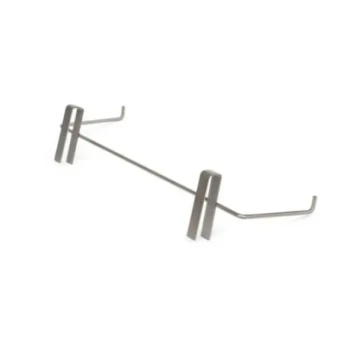
- Heavy-Duty Stainless Steel Clip-On Frame Perch
- HONESTBEE Wired and Assembled Wooden Bee Frames Foundation for a Thriving Hive
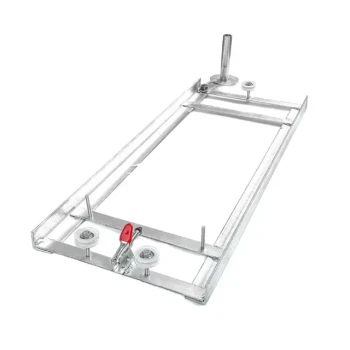
- Professional Galvanized Steel Frame Rest for Beehives
People Also Ask
- How do wooden and plastic hive frames compare in terms of durability? Wood vs. Plastic Longevity & Repairability
- How does balancing the number of frames impact hive productivity? Optimize Your Apiary's Biological Output
- What are the main considerations when choosing between wooden and plastic bee hive frames? Optimize Your Apiary's Efficiency
- How should beehive frames be maintained to prolong their lifespan? 5 Pro Tips for Durable Beekeeping Equipment
- How are plastic frames different from traditional wooden frames? Choose the Right Frame for Your Apiary