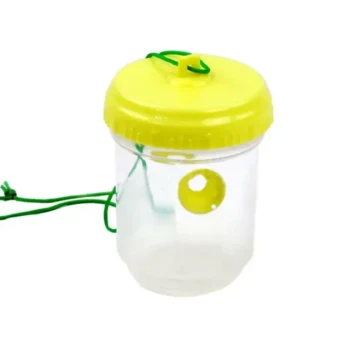
Hive beetle traps are primarily categorized by their active mechanism and placement within the hive, with the three most common types being oil traps, pollen traps, and frame-mounted devices like beetle blasters. Each type targets the pest at a different stage of movement or attraction, utilizing drowning agents or baits to reduce the beetle population.
Core Takeaway The most effective trap for your hive depends on the balance between maintenance capacity and infestation severity. Oil traps provide a high kill rate but demand regular cleaning, while frame-mounted plastic traps offer a low-maintenance solution better suited for monitoring or managing lighter infestations.
Common Trap Configurations
Oil Traps
Oil traps act as a physical drowning reservoir for pests. They typically utilize vegetable oil, which coats the beetles and prevents them from flying or climbing out, effectively suffocating them.
These traps come in two main form factors: those hung directly between frames within the hive body, and tray-style traps designed to slide under a screened bottom board.
Because they cover a larger surface area or sit in high-traffic zones, they are generally noted for being highly effective at capturing significant numbers of beetles.
Beetle Blasters
Beetle blasters are a specific style of compact, disposable trap made of plastic. They are engineered to fit snugly between the tops of the frames, exploiting the beetles' natural tendency to seek refuge in tight, dark crevices.
As the beetles move across the top of the frames to hide, they fall into the trap's reservoir. While often filled with a small amount of oil, their primary distinction is their ease of installation and ability to fit into standard frame gaps without disrupting the hive structure.
Pollen Traps
Pollen traps rely on baiting rather than passive movement. They use a pollen substitute or fermented pollen mixture to aggressively attract beetles into a containment area.
These traps exploit the beetles' strong drive to locate protein sources for reproduction, drawing them away from the colony's actual resources.
Understanding the Trade-offs
Efficacy vs. Maintenance
Oil traps are powerful tools for reducing beetle numbers, but they require significant upkeep. You must regularly remove dead beetles and replace the oil to prevent the trap from becoming rancid or filled with debris.
Capacity Limitations
Beetle blasters are convenient and inexpensive, making them excellent for preventive measures. However, due to their small size, they may not be sufficient to control a heavily infested hive where the beetle population overwhelms the trap's volume.
The Risk of Attraction
While pollen traps are effective at luring beetles already inside the hive, they carry a distinct risk. The strong scent of the bait can unintentionally attract more beetles from the surrounding environment into the hive, potentially worsening the problem if not managed carefully.
Best Practices for Installation
Strategic Placement
Traps must be placed where beetle traffic is highest. For in-hive traps, position them near the entrance or the top corners of the frames, as these are common entry and hiding points.
Consistent Monitoring
Traps are not "set and forget" devices. You must monitor them regularly to gauge the severity of the infestation.
If a trap is full, it ceases to function and becomes a sanctuary for surviving pests. Replace attractants and oils immediately upon noticing a decline in trap hygiene.
Making the Right Choice for Your Goal
- If your primary focus is eradicating a heavy infestation: Use large oil traps (bottom board or frame-hung) to maximize the drowning surface area.
- If your primary focus is low-maintenance prevention: Install beetle blasters between the outer frames to catch scouting beetles with minimal effort.
- If your primary focus is monitoring presence: Use a pollen trap cautiously to see if beetles are present, but remove it quickly to avoid attracting outside pests.
Select the trap that aligns with your available time for maintenance and the current health of your colony.
Summary Table:
| Trap Type | Mechanism | Placement | Best For | Maintenance Level |
|---|---|---|---|---|
| Oil Traps | Drowning (Vegetable Oil) | Between frames or Bottom board | Heavy infestations | High (Regular oil changes) |
| Beetle Blasters | Crevice hiding + Oil | Between top of frames | Prevention & Monitoring | Low (Disposable/Easy swap) |
| Pollen Traps | Scent Attraction/Baiting | Varies | Targeted luring | Moderate (Bait monitoring) |
Scale Your Apiary Success with HONESTBEE
Don't let pests compromise your production. As a leading supplier to commercial apiaries and distributors, HONESTBEE provides the professional-grade tools you need to maintain healthy colonies. We offer a comprehensive wholesale selection of beekeeping equipment, from specialized honey-filling and hive-making machinery to essential consumables and beetle management tools.
Ready to optimize your wholesale supply chain?
Contact Us Today to Get a Quote and discover how our global distribution expertise and high-quality hardware can grow your beekeeping business.
Related Products
- Black Plastic Beetle Barn Hive Beetle Trap for Beehives
- Removable Washable Hive Beetle Trap Attractants for Small Hive Beetles
- Reusable Clear Small Hive Beetle Traps for Beehives Beetle Trapping Tools
- Reusable Aluminium Beetle Trap for Small Hive Beetles Silver Bullet
- Plastic Beetle Blaster Trap Beekeeping Tools and Supplies
People Also Ask
- How should powdered substances be used in beetle traps for hive beetle control? Expert Guide for Maximum Colony Protection
- What are the three main types of hive beetle traps? Expert Solutions for Protecting Your Bee Colonies
- What are the types of hive beetle traps available? Master Your Beetle Control Strategy
- What are the main types of hive beetle traps available? A Beekeeper's Guide to Effective Control
- What mechanical methods can be used to manage small hive beetles? Effective Physical Solutions for Your Beehive