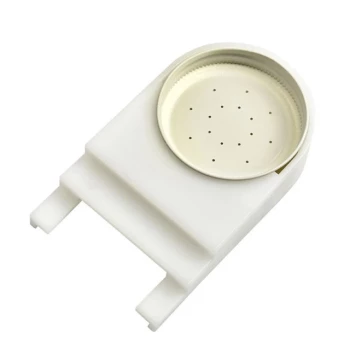
The primary disadvantages of the closed feeding method are the significant requirements for time and financial investment. Unlike open feeding, this approach forces the beekeeper to purchase specialized feeding equipment for every colony. It also demands a much higher labor input, as you must don protective gear and physically open every single hive to replenish food supplies.
The logistical burden of closed feeding is the price you pay for biosecurity. While it protects the hive from pests, it requires a willingness to buy specific gear and dedicate time to servicing each colony individually.
The Logistical Burden: Time and Labor
Individual Hive Attention
Closed feeding is not a "set it and forget it" task. You cannot simply fill a communal bucket; you must visit and service every hive in your apiary one by one.
The Gearing-Up Process
Because the food is placed directly inside or attached to the hive, refilling it requires direct interaction with the colony. This means the beekeeper must put on full protective gear for every feeding session.
Cumulative Time Costs
This process creates a bottleneck in workflow. The time spent suiting up, opening hives, and refilling individual feeders adds up quickly compared to the rapid deployment of open feeding methods.
The Financial Investment
Mandatory Equipment
Closed feeding requires you to purchase specific hardware to contain the syrup or food. You cannot rely on household items like bird baths or simple buckets.
Specific Feeder Types
To execute this method, you must buy hive-top feeders, entrance feeders, or in-hive feeders. Each of these represents an additional cost per hive, which scales up significantly as your apiary grows.
Understanding the Trade-offs
Why Beekeepers Accept the Cost
Despite the expense and labor, many experts prefer closed feeding because it drastically reduces the risk of robbing. Open feeding can attract wasps, hornets, and bees from other colonies, potentially spreading disease.
Precision Management
Closed feeding allows for individual hive treatment. Because only the specific colony consumes the food, you can accurately monitor their intake.
Targeted Medication
This method enables you to add supplements or medications to a specific hive's food source. For example, you can introduce additives like Wintergreen essential oils to deter hive beetles without affecting neighboring colonies.
Making the Right Choice for Your Goal
Before committing to closed feeding, assess your resources and risk tolerance.
- If your primary focus is efficiency and low cost: You may find the closed method burdensome, as it requires purchasing equipment for every hive and significantly more time to refill.
- If your primary focus is colony health and biosecurity: The extra time and expense are necessary investments to prevent robbing, minimize pest attraction, and allow for precise consumption monitoring.
Success in beekeeping often comes down to balancing your available labor against the level of control you need over your hives.
Summary Table:
| Disadvantage Category | Key Challenges & Impact |
|---|---|
| Labor Intensity | Requires individual hive attention, suiting up, and manual refills for every colony. |
| Financial Investment | Mandatory purchase of specialized hardware like hive-top, entrance, or in-hive feeders. |
| Operational Efficiency | Slower workflow due to the time-consuming process of opening and servicing each hive. |
| Equipment Scaling | Costs scale linearly with apiary size; every new colony requires its own dedicated feeder. |
Maximize Your Apiary Efficiency with HONESTBEE
Navigating the complexities of colony health and operational costs requires the right equipment. At HONESTBEE, we specialize in supporting commercial apiaries and distributors with high-quality, wholesale beekeeping solutions designed to streamline your workflow.
Whether you need precision in-hive feeders to manage biosecurity or advanced beekeeping machinery to scale your production, our comprehensive portfolio has you covered. From durable hive-making tools to efficient honey-filling machines, we provide the essential hardware and consumables you need to succeed.
Ready to upgrade your apiary’s performance? Contact us today to discover how our professional-grade tools can save you time and protect your investment.
Related Products
- HONESTBEE Entrance Bee Feeder Efficient Hive Front Liquid Feeding Solution for Beekeeping
- Professional In-Hive Bee Feeder HONESTBEE Frame for Beekeeping
- Classic Boardman Entrance Bee Feeder Hive Front Feeding Solution
- Professional Hive Front Entrance Bee Feeder
- Rapid Bee Feeder White Plastic 2L Round Top Feeder for 8 or 10-Frame Bee Hives
People Also Ask
- What types of bee feeders are available for beginners? Start with the Simple Entrance Feeder
- What are the advantages and disadvantages of using an entrance feeder for bees? Balance Convenience and Hive Security.
- What is a bee entrance feeder and what are its drawbacks? Essential Guide to Hive Security and Feeding Efficiency
- How does a bee entrance feeder work? A Simple Guide to Convenient Hive Feeding
- How to make an entrance feeder for bees? A DIY Guide for Safe & Effective Feeding